
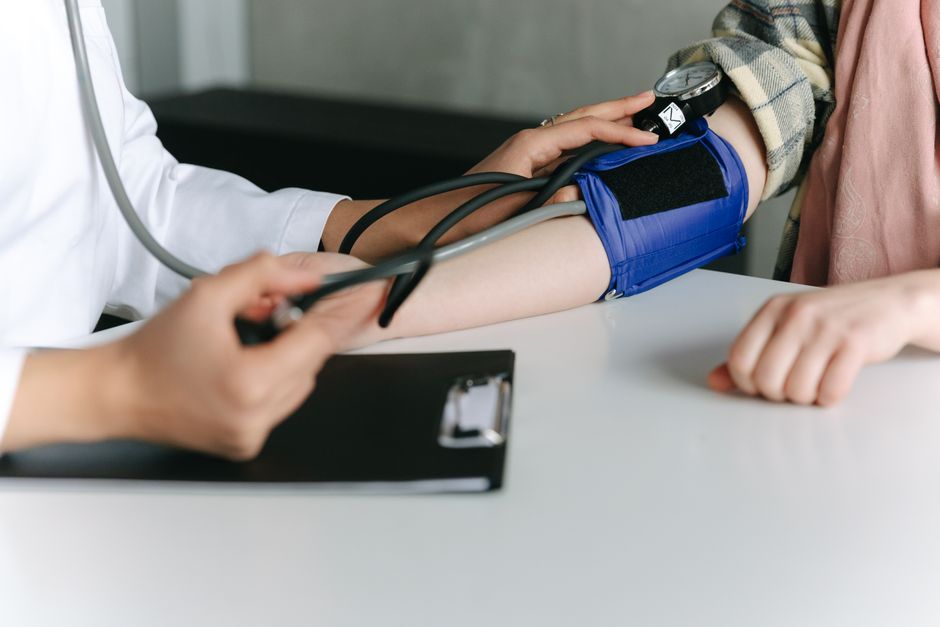
Blood pressure that reads lower than 90/60 mmHg is classified as low, and for many people it causes no problems at all. For others, it signals an underlying condition or leads to fainting, falls, and reduced blood flow to vital organs. The key distinction is whether low blood pressure comes with symptoms and whether it represents a change from your normal reading.
Is Low Blood Pressure Dangerous Or Harmless?
Low blood pressure is harmless when you feel fine and it is your usual reading. It becomes potentially dangerous when it drops suddenly, causes symptoms, or reflects an underlying medical problem.
Blood pressure is the force of blood pushing against artery walls. A reading of 90/60 mmHg or lower is generally considered low. But there is no single threshold that defines danger. What matters more is context.
Someone who has naturally run low their whole life and feels well is not in danger. Their body has adapted. Blood flow to the brain and organs remains adequate even at readings that would cause symptoms in another person.
The situation changes when low blood pressure is new, when it drops suddenly, or when it produces symptoms. A sudden drop can mean the brain and organs are not getting enough blood. That is when low blood pressure moves from harmless to a medical concern.
One clarification worth making: low blood pressure is not the mirror image of high blood pressure. High blood pressure is a chronic condition that damages blood vessels over years. Low blood pressure is more often a signal — of dehydration, medication effects, heart problems, or nervous system issues — rather than a disease in itself.
What Blood Pressure Numbers Count as Low?
A reading below 90/60 mmHg is the standard definition of low blood pressure. But numbers alone do not tell the full story.
The top number (systolic) measures pressure when the heart beats. The bottom number (diastolic) measures pressure between beats. Normal blood pressure is generally considered below 120/80 mmHg. The range between 90/60 and 120/80 is typically considered healthy.
Some people live comfortably at 85/55. Others feel dizzy and weak at 95/65 if that is a sudden change for them. The number matters less than how you feel and whether it represents a shift from your baseline.
Age plays a role. Blood vessels stiffen with age, so blood pressure tends to rise over time. A reading of 100/60 in a healthy 25-year-old may be unremarkable. The same reading in a 65-year-old who normally runs 140/85 could signal a problem.
What Causes Low Blood Pressure?
Low blood pressure has many possible causes, ranging from temporary and minor to serious and ongoing.
Dehydration is one of the most common. When you lose more fluid than you take in — through vomiting, diarrhea, heavy sweating, or fever — blood volume drops. Less blood in the vessels means lower pressure.
Medications are another frequent cause. Diuretics, some antidepressants, beta-blockers, alpha-blockers, and drugs used to treat Parkinson’s disease can all lower blood pressure. Sometimes the combination of several medications produces a drop that none would cause alone.
Heart conditions can reduce blood pressure when the heart cannot pump enough blood. These include very slow heart rate, heart valve problems, heart attack, and heart failure. Endocrine disorders such as adrenal insufficiency, low blood sugar, and thyroid disease can also play a role.
Severe infections, allergic reactions, and blood loss can cause a rapid, dangerous drop in blood pressure. This is a medical emergency and requires immediate treatment.
Some forms of low blood pressure are related to position or eating:
- Orthostatic hypotension — a drop in blood pressure when standing up from sitting or lying down. It can cause dizziness or fainting within seconds to minutes of standing.
- Postprandial hypotension — a drop that occurs one to two hours after eating, most common in older adults.
- Neurally mediated hypotension — a drop triggered by prolonged standing, often seen in younger people.
What Are the Symptoms of Low Blood Pressure?
Symptoms appear when blood flow to the brain and other organs drops below what they need. Without symptoms, low blood pressure is generally not treated.
Common symptoms include dizziness, lightheadedness, fainting, blurred vision, nausea, fatigue, and difficulty concentrating. Some people describe a feeling of weakness or a sudden sense that they might pass out.
More serious signs include confusion, cold and clammy skin, rapid shallow breathing, and a weak or rapid pulse. These suggest shock and require emergency care.
The link between symptoms and numbers is not straightforward. Some people faint at 90/60. Others function normally at 80/50. The body’s ability to compensate — by narrowing blood vessels and increasing heart rate — varies from person to person.
Age matters here too. In older adults, even a modest drop in blood pressure can reduce blood flow to the brain enough to cause a fall. Falls in this age group can lead to fractures, hospitalization, and loss of independence. For this reason, low blood pressure in older adults deserves attention even when symptoms seem mild.
When Should You Worry About Low Blood Pressure?
You should seek medical attention when low blood pressure is new, comes on suddenly, or causes symptoms. If you faint, feel confused, or have cold clammy skin, treat it as an emergency.
Certain situations warrant a prompt medical evaluation:
- A sudden drop in blood pressure from your normal reading
- Fainting or near-fainting
- Dizziness that interferes with daily activities
- Chest pain, shortness of breath, or irregular heartbeat
- Signs of shock — confusion, cold skin, rapid breathing
- Low blood pressure accompanied by fever, vomiting, or diarrhea
If you take medication for high blood pressure and your readings have started running low, tell your doctor. Sometimes the dose needs adjustment. Do not stop or change a prescribed medication on your own.
For people without symptoms, routine low blood pressure usually does not require treatment. A doctor may still monitor it during regular checkups, especially if you have conditions that affect blood pressure regulation.
How Is Low Blood Pressure Treated?
Treatment depends entirely on the cause and whether symptoms are present. Asymptomatic low blood pressure typically needs no treatment at all.
When treatment is needed, the approach usually starts with the underlying cause. If dehydration is the issue, fluids help. If a medication is responsible, a doctor may adjust the dose or switch to a different drug. If a heart or endocrine condition is involved, treating that condition often resolves the blood pressure problem.
For ongoing low blood pressure with symptoms, some clinicians recommend lifestyle measures. These may include:
- Drinking more water throughout the day
- Rising slowly from sitting or lying positions
- Avoiding prolonged standing
- Wearing compression stockings to improve circulation
- Eating smaller, more frequent meals if postprandial hypotension is a factor
In some cases, medications are prescribed to raise blood pressure. These are used when lifestyle measures are not enough and symptoms are significant. The decision to use medication is made by a doctor based on the individual situation.
It is worth noting that the evidence for some lifestyle measures — such as compression stockings for orthostatic hypotension — is stronger than for others. Clinical guidelines generally support these approaches, but individual response varies. What works for one person may not work for another.
Does Low Blood Pressure Affect Long-Term Health?
For people without symptoms, low blood pressure does not appear to shorten life or cause organ damage. The concern is mainly about symptoms and the conditions that may cause it.
Some research has explored whether naturally low blood pressure is linked to better cardiovascular outcomes. The picture is not entirely clear. What is well established is that high blood pressure is a major risk factor for heart disease, stroke, and kidney damage. Low blood pressure without symptoms does not carry the same kind of long-term risk.
The exception is when low blood pressure is a sign of an underlying disease. In those cases, the long-term outlook depends on the condition itself, not the blood pressure number.
For older adults, repeated episodes of orthostatic hypotension have been associated with an increased risk of falls and fractures. Some studies suggest a link between orthostatic hypotension and cognitive changes, though the evidence is mixed and the relationship is not fully understood.
If your blood pressure runs low and you feel well, there is generally no cause for concern. If it runs low and you have symptoms, the symptoms — not the number — are what need attention.
Frequently Asked Questions
Is 90/60 blood pressure too low?
A reading of 90/60 mmHg is at the threshold for low blood pressure, but it is not automatically a problem. If you feel well and it is your usual reading, it is generally considered harmless.
Can low blood pressure cause a heart attack?
Low blood pressure itself does not cause heart attacks. However, a sudden severe drop can reduce blood flow to the heart and other organs, which is a medical emergency requiring immediate care.
What should I do if I feel dizzy from low blood pressure?
Sit or lie down immediately to reduce the risk of fainting and injury. If dizziness is frequent or you faint, see a doctor to find the cause.
Is low blood pressure worse than high blood pressure?
Neither is universally worse — it depends on the situation. High blood pressure causes cumulative damage over years, while low blood pressure is mainly a concern when it causes symptoms or signals another condition.
