
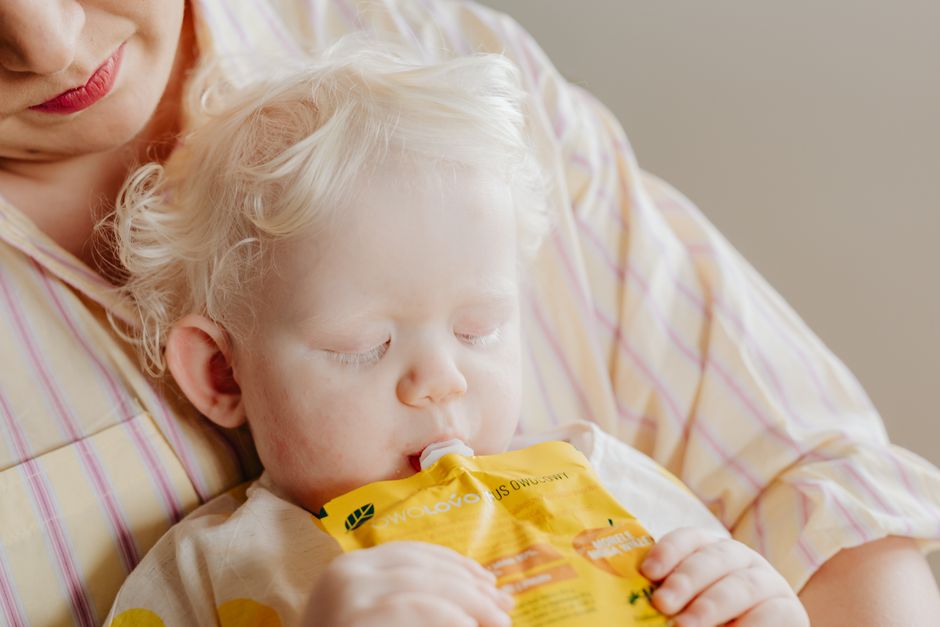
Knowing when to stop baby food and move your child to table foods is a milestone many parents find confusing. The short answer is that most babies are ready to stop eating pureed baby food between 8 and 12 months of age. Your baby will show you clear signs of readiness, including the ability to sit up unsupported, pick up small pieces of food with their fingers, and chew with an up-and-down motion. Watch for these developmental cues rather than focusing only on age, since every baby develops at their own pace.
What Are the Signs Your Baby Is Ready to Stop Baby Food?
Your baby’s development, not the calendar, is the best guide. The most reliable signs appear together, not one at a time. If your baby shows several of these behaviors consistently, they may be ready to move on from purees.
Strong sitting balance is the first major sign. Your baby should be able to sit upright in a high chair without leaning forward or to the side. This posture is essential for safe chewing and swallowing of lumpier foods.
Loss of the tongue-thrust reflex is another key indicator. In early infancy, babies automatically push food out of their mouths with their tongues. When this reflex fades, usually around 4 to 6 months, your baby can keep food in their mouth and move it to the back for swallowing.
Interest in your food matters too. If your baby watches you eat with focus, reaches for your plate, or opens their mouth when you bring a fork to your own mouth, they are showing curiosity about real food. This social interest often appears right before a baby is ready to handle more textured foods.
Pincer grasp development is a practical skill that signals readiness. The pincer grasp is the ability to pick up a small object between the thumb and index finger. This usually develops between 8 and 10 months. Without this grasp, your baby cannot self-feed finger foods effectively, which limits their ability to move away from spoon-fed purees.
Chewing motions are the final major sign. Even if your baby has no teeth yet, they should move their jaw in a rotary or up-and-down chewing motion rather than sucking. Gums are surprisingly strong and can mash soft foods well before teeth appear.
What Is the Right Age Range for Stopping Baby Food?
Most pediatric guidance suggests that babies transition from purees to soft table foods between 8 and 12 months. However, this range is a general guide, not a strict rule. Some babies are ready closer to 7 months. Others need until 13 or 14 months, especially if they were born prematurely or have developmental delays.
By 12 months, most babies should be eating a variety of soft family foods and getting most of their nutrition from solid foods rather than formula or breast milk. The American Academy of Pediatrics and other major health organizations generally support this timeline, though specific recommendations can vary slightly by country.
Premature babies often need adjusted timelines. A baby born 6 weeks early may reach these milestones about 6 weeks later than their chronological age would suggest. If you have concerns about your baby’s developmental timeline, discuss it with your pediatrician rather than comparing your baby to others.
What Foods Should You Offer When Stopping Baby Food?
When you stop purees, you are not jumping straight to steak. The goal is a progression of textures that gradually builds your baby’s chewing skills and confidence.
Start with soft, mashable foods that your baby can pick up and bring to their mouth. Well-cooked carrot pieces, ripe banana slices, avocado chunks, and soft scrambled eggs are good starting points. These foods should be soft enough to smash between your thumb and forefinger.
Move next to finely minced or chopped foods. Cooked ground meat, flaked fish, soft cooked pasta, and grated cheese give your baby practice with different textures while remaining easy to manage.
By 12 months, most babies can handle small pieces of soft family meals. Cut food into pieces no larger than half an inch to reduce choking risk. Foods like soft bread, well-cooked vegetables, and tender meats are appropriate at this stage.
Always supervise your baby during meals. Choking is a real risk when transitioning to finger foods. Learn the difference between gagging, which is normal and protective, and choking, which requires intervention. Gagging sounds noisy and looks alarming, but your baby’s airway is open. Choking is silent and requires immediate action.



What Foods Should You Avoid During This Transition?
Some foods are unsafe for babies under 12 months regardless of their chewing skills. These foods pose choking hazards or carry food safety risks.
- Whole grapes, cherry tomatoes, and hot dogs — these are the perfect size to block a baby’s airway. If offered, cut them lengthwise into thin strips.
- Popcorn, nuts, and seeds — hard, irregular pieces that babies cannot chew effectively.
- Raw hard vegetables and fruits like raw apple slices or raw carrot sticks — cook them until soft or grate them instead.
- Sticky foods like spoonfuls of peanut butter or marshmallows — these can adhere to the airway.
- Honey — this is a food safety issue, not a choking one. Honey can contain botulism spores that are dangerous for infants under 12 months.
- Chunks of meat or cheese larger than half an inch — always cut these into small pieces.
These restrictions apply until your baby has well-developed chewing skills, which typically happens after the first birthday. Even after 12 months, continue cutting round and hard foods into safe shapes.
How Do You Know If Your Baby Is Not Ready Yet?
Some babies resist the transition to table foods. This resistance is not necessarily a problem. It may simply mean your baby needs more time.
Signs that your baby may not be ready include turning their head away from lumpy foods, gagging frequently on textured foods, or refusing to pick up finger foods. Some gagging is normal during this transition as babies learn to manage new textures. However, if your baby gags on nearly every meal or refuses to eat anything with texture, they may need more time with smoother consistencies.
Continue offering purees while gradually introducing thicker textures. You can mix small amounts of mashed food into purees to create a bridge between consistencies. This gradual approach helps babies adjust without overwhelming them.
If your baby is older than 12 months and still refusing all textured foods, talk to your pediatrician. Persistent refusal can sometimes indicate an underlying issue such as oral motor delay or sensory processing differences. Early intervention can help address these concerns before they become entrenched.
Should You Try Baby-Led Weaning Instead of Purees?
Baby-led weaning is an approach where babies skip purees entirely and start with soft finger foods from about 6 months of age. This method has gained popularity in recent years, and some research suggests it may encourage better self-regulation of food intake and less picky eating later.
However, the evidence for baby-led weaning is still developing. Some studies indicate benefits, while others show no significant differences compared to traditional spoon-feeding. The most important factor is that your baby receives adequate nutrition and develops safe eating skills, regardless of the method.
Many families use a combination approach. They offer some purees for convenience and nutrition while also providing soft finger foods for exploration and self-feeding. This hybrid method lets you follow your baby’s cues without committing fully to one philosophy.
Whatever approach you choose, the same safety rules apply. Always supervise meals, offer appropriately sized foods, and follow your baby’s hunger and fullness signals.
What If Your Baby Skips Purees Entirely?
Some babies show little interest in purees from the start and want to feed themselves from early on. This is not necessarily a problem. If your baby can sit up well, hold food, and bring it to their mouth, they can safely begin with soft finger foods even if they never took to purees.
The key is ensuring your baby gets enough iron and other essential nutrients. Iron is a common concern because pureed baby cereals are often fortified with iron, while homemade table foods may not be. Offer iron-rich foods like pureed or finely minced meat, beans, lentils, and iron-fortified cereals to fill this gap.
Watch your baby’s growth and diaper output during any feeding transition. Steady weight gain and regular wet diapers are good signs that your baby is getting enough to eat. If you have concerns about weight gain or nutrient intake, consult your pediatrician.
Frequently Asked Questions
What is the average age babies stop eating pureed baby food?
Most babies transition away from purees between 8 and 12 months of age. The exact timing depends on your baby’s individual development rather than a fixed age.
Can my baby skip purees and go straight to finger foods?
Yes, some babies do well starting directly with soft finger foods if they can sit up and bring food to their mouths. This approach, often called baby-led weaning, is safe when foods are appropriately soft and cut into small pieces.
How do I know if my baby is choking or just gagging?
Gagging is noisy and your baby’s face will be red, while choking is silent and your baby’s face may turn blue. Gagging is a normal protective reflex during learning, but choking requires immediate intervention.
What foods are safest when first stopping baby food?
Soft, mashable foods like ripe banana, avocado, well-cooked vegetables, and soft scrambled eggs are safest. Cut everything into pieces no larger than half an inch and cook vegetables until they smash easily between your fingers.
