
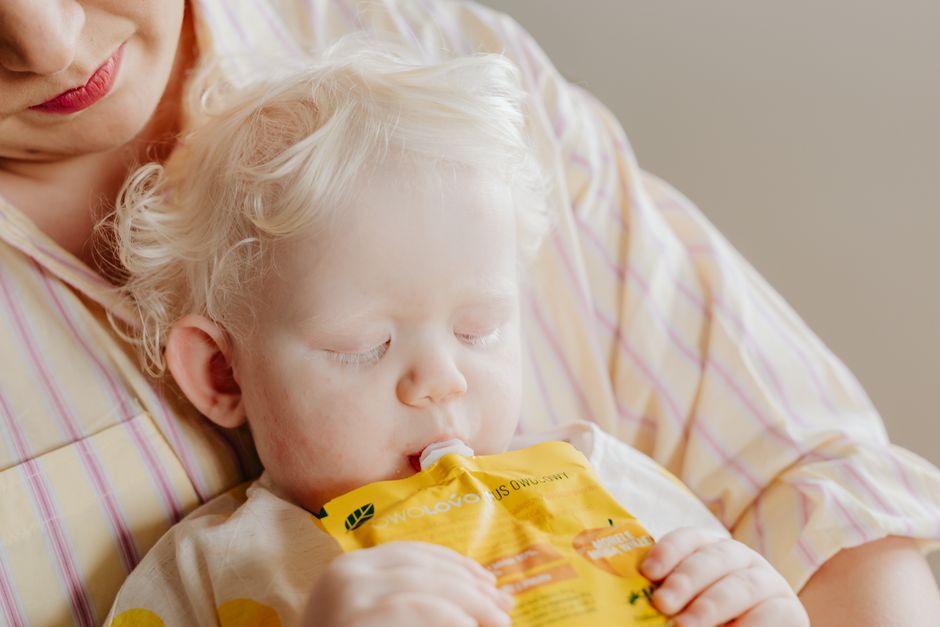
Most babies are ready to start solid foods at around 6 months of age. This is the age recommended by major health organizations because it aligns with key developmental milestones. At this point, most infants can hold their head up steadily, sit with support, and have lost the tongue-thrust reflex that pushes food out of their mouths. Starting solids is about more than just a calendar date; it is about watching your specific baby for signs of readiness.
What Are the Official Recommendations for Starting Solids?
Pediatric and public health guidelines consistently point to about 6 months as the right time to introduce complementary foods. This means your baby continues to get breast milk or formula as the main source of nutrition, while solid foods are added to the diet.
These recommendations are based on research about gut development, nutrient needs, and allergy prevention. Starting too early, before 4 months, is linked to a higher risk of choking and may not provide any nutritional benefit. Waiting too long, past 6 months, can lead to iron deficiency because a baby’s natural iron stores begin to run low.
Every baby is different. Some may show signs of readiness a few weeks before 6 months, and others a few weeks after. The 6-month mark is the sweet spot that works for most infants, but your pediatrician can give you personalized guidance at your well-baby checkups.
Why Is 6 Months the Standard Age?
The shift to recommending 6 months instead of 4 months came from a review of the evidence. Research consistently shows that introducing solids at around 6 months is associated with fewer infections, better growth, and no disadvantage in weight gain compared to starting at 4 months.
There is also a physiological reason. By 6 months, a baby’s digestive system has matured enough to handle solid foods. The gut lining has closed, reducing the risk of large food proteins passing into the bloodstream, which can trigger allergic reactions or digestive upset.
Iron is another major factor. Babies are born with iron stores that last roughly the first 4 to 6 months of life. Breast milk is low in iron, so by 6 months, most infants need an external source. Iron-fortified infant cereal and pureed meats are common first foods for this reason.
How Do I Know My Baby Is Ready for Solid Food?
Age is a guideline, not a guarantee. You need to see developmental signs of readiness before offering that first spoonful. These signs usually appear together around the 6-month mark.
- Head control: Your baby can hold their head up steadily and unsupported.
- Sitting ability: Your baby can sit upright in a high chair with minimal support.
- Loss of tongue-thrust reflex: Your baby no longer automatically pushes food out of their mouth with their tongue.
- Interest in food: Your baby watches you eat, reaches for your food, or opens their mouth when food is offered.
- Chewing motion: Your baby moves food from the front of the mouth to the back to swallow, rather than just sucking on it.
If your baby is 6 months old but shows none of these signs, it is reasonable to wait a week or two and try again. If your baby is 5 months old and showing all these signs, it is still best to wait until closer to 6 months unless your pediatrician advises otherwise.



What Are the Best First Foods to Offer?
There is no single correct first food. The goal is to offer a variety of nutrient-dense options that provide iron and other key nutrients. Single-ingredient purees are a common starting point because they let you identify any allergic reaction.
Iron-rich options should be prioritized. Iron-fortified single-grain cereal, pureed beef, poultry, or beans are all excellent choices. After iron-rich foods are established, you can introduce fruits, vegetables, and grains one at a time.
There is no evidence that the order of introducing fruits versus vegetables matters. The old advice to give vegetables before fruits to prevent a sweet tooth has not been supported by research. Offer a wide variety of flavors and textures early to encourage acceptance.
What Foods Should I Avoid in the First Year?
Some foods are not safe for babies under 12 months. These restrictions are based on choking risk, food safety, and nutritional concerns.
- Honey: Never give honey before 12 months. It can contain spores that cause infant botulism, a rare but serious illness.
- Cow’s milk as a drink: You can cook with cow’s milk, but it should not replace breast milk or formula as a main drink before 12 months. It lacks proper iron and nutrient balance.
- Choking hazards: Avoid whole grapes, hot dog pieces, hard candies, popcorn, and large chunks of raw vegetables or fruits. These are common choking risks.
- High-sodium and sugary foods: Babies have small kidneys and developing taste preferences. Avoid adding salt or sugar to homemade baby food.
- Unpasteurized items: Avoid unpasteurized juices, milk, or cheeses due to infection risk.
Allergenic foods like peanuts, eggs, and shellfish do not need to be delayed. Current evidence indicates that introducing common allergens early, around 6 months, may actually reduce the risk of developing food allergies. This is a shift from older guidance that recommended waiting. If you have a family history of food allergies, talk to your pediatrician before introducing these foods.
How Much Solid Food Should a Baby Eat at First?
Start small. The first few weeks are about practice, not nutrition. A single spoonful or two once a day is plenty to begin with.
Breast milk or formula remains the primary source of calories and nutrients until about 12 months. Solid food is complementary, meaning it adds to the milk diet rather than replacing it. As your baby gets more comfortable, you can gradually increase the amount and frequency of solid meals.
A good progression is to start with one meal a day, then move to two meals around 7 to 8 months, and three meals by 9 to 12 months. Watch your baby’s cues. If they turn their head away, close their mouth, or push the spoon away, they are full. Never force a baby to finish a jar or a bowl.
Is Baby-Led Weaning Safe at 6 Months?
Baby-led weaning is an approach where you skip purees and offer soft, graspable finger foods from the start. It is a popular method, and many families use it successfully.
Research on baby-led weaning is still developing, but the evidence so far indicates it is safe when done correctly. The key is offering foods that are soft enough to mash between your fingers and cut into pieces large enough for your baby to grip. Long, stick-shaped pieces of steamed vegetables or soft fruit work well.
There is no evidence that baby-led weaning increases the risk of choking compared to spoon-feeding purees, as long as you follow safe food preparation guidelines. It is also important to note that baby-led weaning does not mean giving your baby whatever the family is eating. You still need to offer iron-rich foods and avoid the restricted foods listed above.
Some parents find a combination approach works best — offering purees and finger foods together. This is sometimes called “baby-led introduction” and is perfectly acceptable. The best method is the one that works for your family and keeps your baby safe and fed.
What If My Baby Refuses Solid Food?
Refusal is common, especially in the first few weeks. A baby who has only ever known milk may be confused by the new texture, taste, and experience of a spoon.
If your baby refuses, do not force it. Wait a few days and try again. Sometimes a baby needs to see a food 10 to 15 times before accepting it. This is normal and does not mean your baby will be a picky eater forever.
You can also try adjusting the timing. Offer solids when your baby is calm and not overly hungry. A baby who is starving may be frustrated by the slow pace of spoon-feeding. Offer a little milk first to take the edge off, then try solids.
If your baby is over 7 months, refuses all solids, and is not showing interest in food at all, mention it to your pediatrician. It is usually nothing serious, but it is worth discussing.
What Are the Signs of a Food Allergy or Reaction?
When you introduce a new food, watch for signs of an allergic reaction. Reactions can happen within minutes to a few hours after eating.
Common signs include hives, swelling of the lips or face, vomiting, or diarrhea. A more severe reaction, called anaphylaxis, involves difficulty breathing, wheezing, or a drop in blood pressure. This is a medical emergency and requires immediate attention.
When introducing a new food, especially a common allergen, do it at home rather than at daycare or a restaurant. Offer one new food at a time and wait 2 to 3 days before introducing another. This way, if a reaction occurs, you know exactly which food caused it.
Mild reactions like a few hives should still be reported to your pediatrician. They can help you determine whether the reaction is a true allergy or something else, like a skin irritation from food touching the face.
Frequently Asked Questions
Can I start baby food at 4 months?
Most health organizations recommend waiting until about 6 months, and starting before 4 months is not advised. If you have a specific reason to start early, discuss it with your pediatrician first.
What is the best first baby food to introduce?
Iron-rich foods like iron-fortified infant cereal or pureed meat are good first choices. Single-ingredient purees are easiest for identifying any allergic reaction.
How do I know if my baby is ready for solids?
Look for head control, sitting with support, loss of the tongue-thrust reflex, and interest in food. These signs usually appear together around 6 months of age.
Is baby-led weaning safe for a 6-month-old?
Yes, when done correctly with soft, age-appropriate foods cut into safe shapes. Research indicates it does not increase choking risk compared to spoon-feeding when proper food preparation guidelines are followed.
