
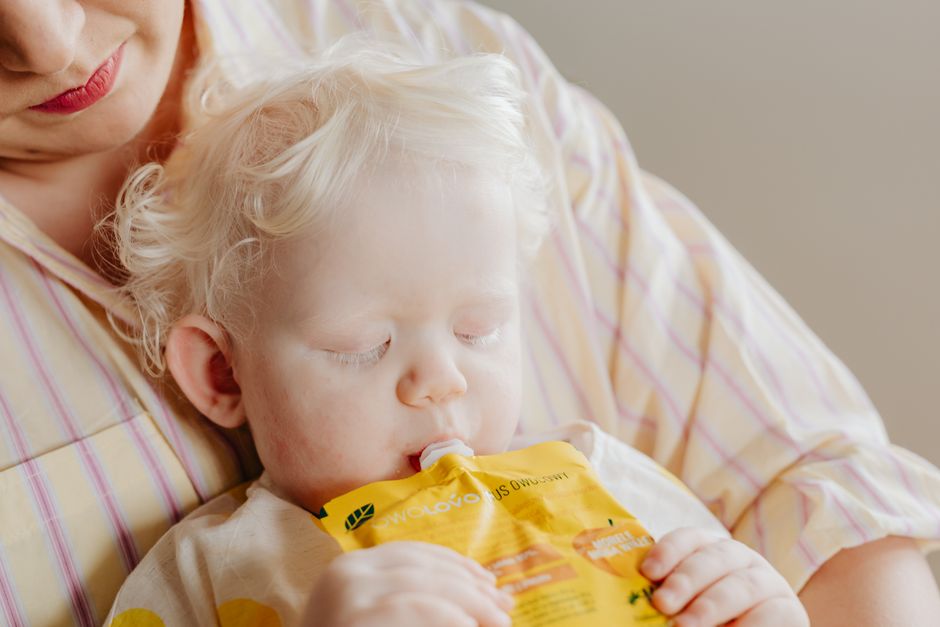
Feeding a baby for a full year is a major line item in any household budget, but the actual number varies wildly depending on how you choose to feed your child. On the low end, a year of exclusively homemade purees and finger foods might cost around $800. On the high end, a steady diet of premium organic jars and pouches can easily exceed $2,500. The single biggest factor isn’t the brand you buy—it’s the age of your baby and how much solid food they actually consume each day.
What Is the Real Average Cost of Baby Food Per Year?
Most families do not feed their baby only jars or only homemade food. They mix store-bought convenience items with table food and breastfeeding or formula. Because of this mix, the realistic annual figure for most US families lands between $1,200 and $1,800 for food alone, not including formula or breastmilk supplies.
This estimate assumes you start solids around 6 months and feed a combination of commercial purees, soft table foods, and cereals. If you buy strictly premium organic brands, expect the top of that range. If you make most food at home and share your own groceries with the baby, you will likely land closer to the bottom.
One important detail: babies under 6 months eat no solid food at all. The “year of baby food” in this article means the 12-month period starting at around 6 months of age. During that time, intake climbs steadily from a few teaspoons a day to three full meals plus snacks.
How Much Does a Jar or Pouch Cost in 2024?
Commercial baby food prices have risen with general grocery inflation, but the range remains fairly stable. A standard 3.5-ounce jar of stage 1 or stage 2 puree costs between $0.80 and $1.50 for mainstream brands like Gerber or Beech-Nut. Organic versions from brands like Earth’s Best or Plum Organics typically run $1.20 to $2.00 per jar.
Pouches are more expensive per ounce. A 4-ounce squeeze pouch usually costs $1.50 to $2.50, with organic blends at the higher end. Cereals like rice or oat cereal cost about $3 to $5 per box, and each box makes roughly 15 to 20 servings when mixed with formula or breastmilk.
Teething biscuits, puffs, and yogurt melts add another $5 to $15 per month if you use them regularly. These are convenience items, not nutritional necessities, so they are easy to cut if you are watching your budget.
Cost Per Month by Baby’s Age
Your monthly spending changes dramatically as your baby grows. A 6-month-old eats only a few tablespoons of puree per day. A 12-month-old eats three meals and snacks, much of it the same food the rest of the family eats.
Here is what a typical monthly budget looks like at each stage, assuming a mix of commercial and homemade food:
- Months 6–8: $40 to $80 per month. Babies this age eat 2 to 4 ounces of puree per day, which is roughly one jar or pouch daily.
- Months 9–11: $80 to $150 per month. Intake jumps to 6 to 10 ounces per day, plus soft finger foods like chopped fruit, pasta, and cheese.
- Months 12–18: $100 to $200 per month. Toddlers eat three meals and two snacks. Much of this is regular table food, but convenience pouches and snacks still add up.
These figures assume you are not buying organic exclusively. If every single item is organic, add roughly 30 to 40 percent to each range.


Homemade Baby Food vs. Store-Bought: The Real Price Difference
Homemade baby food is almost always cheaper per serving, but the gap is smaller than most people assume. A single sweet potato costs about $0.75 and makes four to six servings of puree. That is roughly $0.15 per serving compared to $1.00 or more for a commercial jar.
The catch is that homemade food requires time, a blender or food processor, and storage containers. It also means buying whole fruits and vegetables that you might not otherwise purchase. If you already cook family meals and eat produce regularly, the marginal cost of making baby food is very low. If you are buying specialty produce just for purees, the savings shrink.
There is also a middle path. Many parents cook one batch of puree on the weekend, freeze it in ice cube trays, and buy commercial pouches only for travel or emergencies. This hybrid approach typically costs $800 to $1,200 per year and offers both savings and convenience.
Does Baby-Led Weaning Cost More or Less?
Baby-led weaning skips purees entirely and gives babies soft, appropriately sized pieces of regular family food from the start. This approach can be significantly cheaper because there are no specialty products to buy. The baby eats what you eat.
However, the cost depends entirely on your family’s grocery habits. If you eat mostly whole foods, rice, beans, eggs, and seasonal produce, baby-led weaning is the cheapest option available. If your family diet relies on convenience foods, processed meals, or takeout, those foods are often not appropriate for a baby, and you will need to buy separate ingredients.
One hidden cost of baby-led weaning is waste. Babies drop food, smear it, and reject new textures. Expect to throw away 10 to 20 percent of what you serve, especially in the first few months. Even with waste, most families find baby-led weaning cheaper than a jar-based diet.
Where the Hidden Baby Food Costs Hide
The obvious cost is the food itself. The less obvious costs are the supplies and extras that come with feeding a baby. High-chair inserts, silicone bibs, and suction bowls are one-time purchases but can add $30 to $80 upfront.
Freezer storage is another quiet expense. If you make purees in bulk, you will need ice cube trays, freezer bags, and labels. These cost about $15 to $25 initially and are often replaced every few months as they wear out.
There is also the cost of food your baby does not eat. Babies are notoriously picky. A jar opened and rejected, a pouch half-eaten, or a plate of finger foods dumped on the floor all count as money spent. Most parents estimate 10 to 15 percent of purchased baby food is wasted.
Finally, consider the cost of time. Making homemade baby food takes 1 to 3 hours per week for most families. That time has value, even if it does not show up on a receipt.
How to Cut Baby Food Costs Without Sacrificing Nutrition
You do not need premium brands to feed your baby well. The FDA regulates commercial baby food for safety and nutritional content, and store-brand jars are nutritionally comparable to name brands. The main difference is taste and texture, not nutrient value.
Buy fruits and vegetables in season. Puree them in bulk and freeze in portioned trays. A bag of frozen peas, carrots, or berries is just as nutritious as fresh and often half the price. Canned beans and pumpkin are also budget-friendly puree bases, as long as you choose no-salt-added versions.
Skip the baby-specific snacks. Puffs, melts, and teething biscuits are mostly rice or corn starch with flavoring. Regular soft foods like banana slices, avocado, soft-cooked carrots, and shredded cheese provide better nutrition for less money.
Check the clearance section at grocery stores and pharmacies. Baby food jars and pouches are frequently marked down as they approach their sell-by date. They are safe to feed for weeks past that date if the seal is intact and the package is undamaged.
Does WIC or SNAP Help With Baby Food Costs?
WIC, the Special Supplemental Nutrition Program for Women, Infants, and Children, provides specific baby foods to qualifying families. The program covers infant cereal and jars of fruits and vegetables for babies over 6 months. It does not cover every brand or flavor, but it covers the nutritional basics.
SNAP benefits, formerly known as food stamps, can be used to buy any baby food, including organic brands, as long as the item is a food product. SNAP does not cover hot prepared foods, vitamins, or feeding supplies like bottles and bibs.
Eligibility for both programs depends on household income and size. A family of three with a gross monthly income under roughly $2,500 may qualify for some level of assistance, though exact thresholds vary by state. Applying is free and can be done online through your state’s benefits portal.
Frequently Asked Questions
How much does baby food cost per month?
Most families spend between $40 and $200 per month on baby food, depending on the baby’s age and whether they buy organic or homemade. The lower end applies to young babies eating mostly purees, while the higher end applies to older babies eating three meals plus snacks.
Is homemade baby food cheaper than store-bought?
Yes, homemade baby food costs roughly half as much per serving as commercial jars. The savings depend on your grocery habits and whether you already buy the fruits and vegetables used in the purees.
Does baby-led weaning cost less than feeding purees?
Baby-led weaning is usually cheaper because babies eat regular family food instead of specialty products. However, food waste is higher with this approach, which reduces some of the savings.
Can I use SNAP benefits to buy baby food?
Yes, SNAP benefits cover all baby food products, including organic brands and infant cereal. SNAP does not cover feeding supplies like bottles, bibs, or high chairs.
