
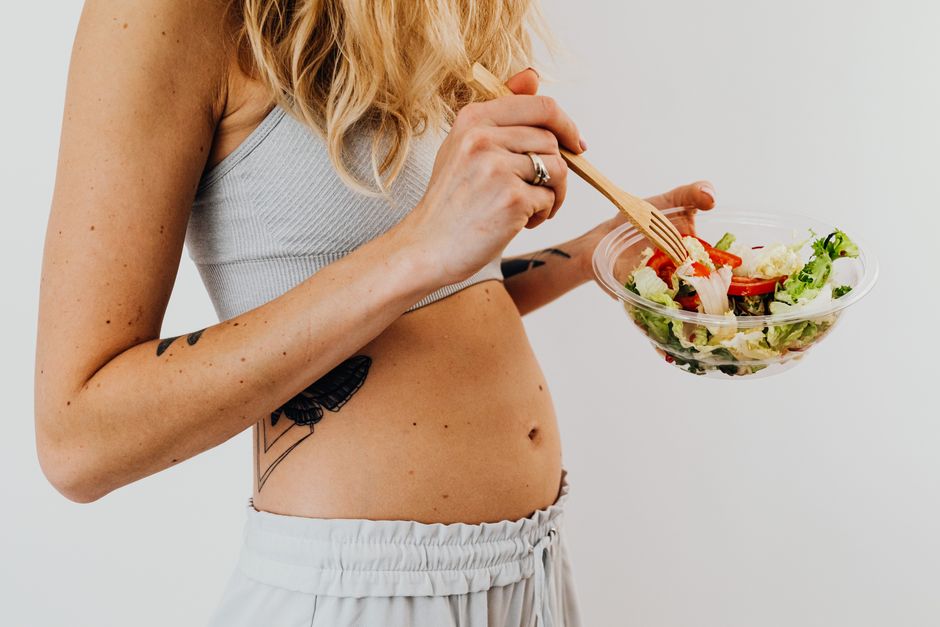
If you have eaten food that may be contaminated, the short answer is that you cannot stop food poisoning from developing once the harmful bacteria or toxins are already in your system. You can, however, take steps to support your body’s recovery and prevent the illness from becoming severe. The most important actions are staying hydrated and monitoring your symptoms, because most cases resolve on their own within a few days without medical treatment.
What Happens In Your Body Right After Eating Bad Food
Food poisoning begins when you swallow harmful bacteria, viruses, or parasites. It can also start when you ingest toxins that bacteria have already produced in the food before you ate it.
These pathogens travel through your stomach and into your intestines. Once there, they attach to the intestinal lining or release toxins that irritate the digestive tract. Your body responds quickly, often within hours, by triggering nausea, vomiting, and diarrhea. These symptoms are your body’s defense mechanism, working to expel the harmful organisms.
In most cases, the illness runs its course in 24 to 48 hours. The digestive system flushes out the invaders, and your immune system fights off the infection. Trying to “stop” this process with anti-diarrhea medications is not always wise, because the diarrhea is helping to clear the pathogen from your body.
Can You Prevent Symptoms From Starting?
Once the contaminated food is swallowed, there is no reliable way to prevent the illness from starting. The bacteria or toxins are already inside your digestive tract.
Some people wonder if inducing vomiting helps. This is not recommended. Forcing yourself to vomit after eating contaminated food does not reliably remove all the pathogens, and it can cause damage to your throat and esophagus. Medical guidelines do not support this practice.
Activated charcoal is sometimes marketed as a way to absorb toxins in the stomach. The evidence for its effectiveness in food poisoning is limited. No large human trials have confirmed that taking activated charcoal after eating contaminated food reduces the severity or duration of illness. It is not a standard treatment for food poisoning.
What To Do In The First Few Hours
The first few hours after eating bad food are about comfort and monitoring, not about stopping the illness. Rest is important. Your body is directing energy toward fighting the infection.
Do not eat solid food right away if you are actively vomiting. Give your stomach time to settle. Once vomiting stops, you can begin sipping small amounts of clear liquids.
Good options include water, clear broths, and oral rehydration solutions. Oral rehydration solutions contain the right balance of water, salts, and sugar that your intestines need to absorb fluids properly. They are available at most pharmacies and are more effective than plain water alone.
Avoid dairy products, caffeine, alcohol, and sugary drinks in the early stages. These can worsen diarrhea or further irritate your stomach.


When To Consider Medical Care
Most food poisoning cases resolve without medical treatment, but some require attention. Certain symptoms signal a need for professional care.
Seek medical help if you experience any of the following:
- Blood in your vomit or stool
- A fever above 101.5°F (38.6°C)
- Signs of dehydration, such as dark urine, dry mouth, or dizziness when standing
- Inability to keep any fluids down for more than 24 hours
- Diarrhea lasting more than 3 days
- Severe abdominal pain that does not improve
Dehydration is the most common serious complication of food poisoning. It happens when you lose more fluids through vomiting and diarrhea than you can take in. Young children, older adults, pregnant women, and people with weakened immune systems are at higher risk for severe dehydration.
Why Anti-Diarrhea Medications Are Tricky
Over-the-counter anti-diarrhea medications like loperamide (Imodium) are common, but they are not always the right choice for food poisoning.
Diarrhea is the body’s way of flushing out the infectious organism. Stopping the diarrhea too early can trap the bacteria in your intestines, potentially prolonging the infection. Some research suggests that using anti-diarrhea medications during certain bacterial infections can lead to worse outcomes.
Clinical guidelines generally advise against using anti-diarrhea medications when you have a fever or blood in your stool. These symptoms suggest a bacterial infection that may need to run its course or require antibiotics. If your symptoms are mild and you have no fever, some clinicians may consider these medications acceptable, but it is safest to let the diarrhea resolve naturally.
Antibiotics are only effective for bacterial food poisoning, not for viral causes. Most cases of food poisoning are viral, so antibiotics are not routinely prescribed. A doctor can determine if a bacterial infection is present and whether antibiotics are appropriate.
How Long Does Food Poisoning Last?
The duration depends on the specific pathogen involved. Most common cases resolve within 24 to 48 hours. Some infections, particularly certain bacterial strains, can last longer.
Norovirus, the most common cause of food poisoning in the United States, typically causes symptoms for 1 to 3 days. Salmonella infections often last 4 to 7 days. Campylobacter can last 2 to 5 days.
Even after symptoms improve, you may feel tired or have a reduced appetite for a few days. This is normal. Your intestines need time to repair the lining that was irritated during the infection.
What To Eat As You Recover
Once you can keep fluids down, you can gradually introduce bland, easy-to-digest foods. The BRAT diet is a common recommendation, though it is not strictly necessary.
BRAT stands for bananas, rice, applesauce, and toast. These foods are low in fiber and gentle on the stomach. They also provide some nutrients without triggering further digestive distress.
Other good options include plain crackers, boiled potatoes, and clear soups. Eat small amounts frequently rather than large meals.
Avoid greasy, spicy, or heavily processed foods until you feel fully recovered. These can be harder to digest and may cause symptoms to return.
How To Prevent Food Poisoning In The Future
Prevention is far more effective than any treatment. The core principles are clean, separate, cook, and chill.
Wash your hands thoroughly with soap and water before handling food and after using the bathroom. Wash fruits and vegetables under running water, even if you plan to peel them.
Keep raw meat, poultry, seafood, and eggs separate from ready-to-eat foods. Use different cutting boards and utensils for raw meat and fresh produce.
Cook foods to safe internal temperatures. Use a food thermometer to check. Ground beef should reach 160°F, poultry should reach 165°F, and leftovers should be reheated to 165°F.
Refrigerate perishable foods within 2 hours. In hot weather, within 1 hour. Keep your refrigerator at or below 40°F.
Can You Stop Food Poisoning After Eating Bad Food?
No, you cannot stop food poisoning once contaminated food is swallowed. The pathogens are already in your system, and your body will need to fight them off.
What you can do is manage the symptoms, prevent dehydration, and know when to seek medical help. The illness will run its course, typically within 1 to 3 days for most common pathogens.
If you are in a high-risk group, such as pregnant, elderly, or immunocompromised, contact a healthcare provider sooner rather than later. Early medical guidance can prevent complications even when treatment is not immediately necessary.
Frequently Asked Questions
Should I make myself vomit after eating bad food?
No, you should not force yourself to vomit. It does not reliably remove the pathogens and can injure your throat.
Does activated charcoal stop food poisoning?
No clinical evidence confirms that activated charcoal stops or reduces food poisoning. It is not a standard treatment.
How quickly does food poisoning start after eating bad food?
Symptoms can begin anywhere from 30 minutes to several weeks after exposure, depending on the pathogen. Most common cases start within 6 to 24 hours.
Can I take Imodium for food poisoning diarrhea?
Anti-diarrhea medications are not recommended if you have a fever or blood in your stool. Let mild diarrhea run its course so your body can flush the infection.
