
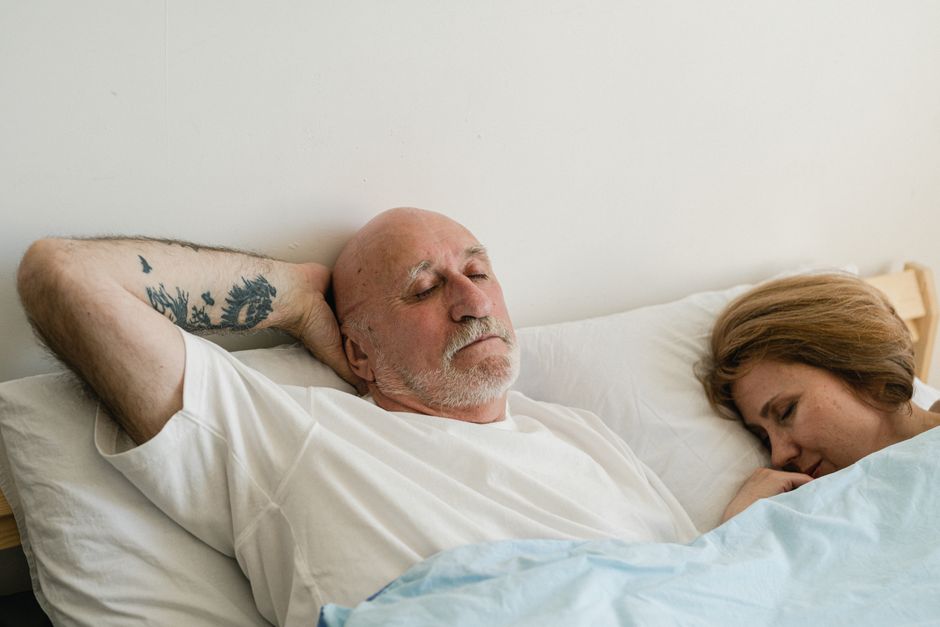
You can sleep after a concussion. That is the short answer, and it is supported by years of clinical guidance. The old advice to keep someone awake for hours after a head injury has been largely abandoned. Current medical thinking says rest — including sleep — helps the brain recover.
What matters is not whether you sleep, but how you were checked before you went to sleep and what your symptoms look like when you wake up. A person who is alert, talking normally, and walking steadily before sleeping is generally in a very different situation from someone who is confused, vomiting, or hard to wake.
Why Did People Used to Stay Awake After a Head Injury?
The old rule came from a reasonable fear, not from good evidence. Doctors worried that a person with bleeding in the brain could slip into unconsciousness during sleep, and that no one would notice. So the instruction was to keep them awake and watch them.
The problem is that this approach confused two different things: the need to observe someone and the need to prevent sleep. Staying awake does not stop a brain bleed. It does not protect the brain. It mostly exhausts an injured person and the people caring for them.
Research over the past two decades shifted the guidance. Sleep is now understood as part of recovery, not a risk to be avoided. The focus moved to checking for warning signs before sleep and monitoring through the night in a practical way.
One clarification worth knowing: the concern was never that sleep itself causes harm. The concern was that a serious injury might go unrecognized. Those are different problems with different solutions.
When To Sleep After A Concussion Is It Safe?
It is safe to sleep once a medical professional has checked the person and found no signs of a serious injury. For most mild concussions, that check can happen in an emergency department, an urgent care clinic, or with a doctor.
If the injured person is alert, knows where they are, can hold a normal conversation, and has no vomiting, no seizure, no worsening confusion, and no weakness or numbness, sleep is generally considered safe. A responsible adult should still check on them periodically through the night.
There is no fixed number of hours you must wait. Some older guidance suggested waking a person every few hours. Many clinicians now say that if the person was cleared and is sleeping comfortably, you do not need to wake them on a strict schedule. A gentle check — looking at their breathing, their color, and whether they respond to a light touch or their name — is usually enough.
If you are unsure whether the injury was serious, do not rely on this article. Get medical evaluation first. That step comes before any decision about sleep.
What Warning Signs Mean You Should Not Wait?
Certain symptoms mean you should seek emergency care immediately, not watch and wait. These are signs that something more serious than a mild concussion may be happening.
- Repeated vomiting or severe nausea
- A headache that keeps getting worse
- Confusion, agitation, or unusual behavior
- Slurred speech or trouble understanding what is said
- Weakness, numbness, or trouble walking
- Seizures or convulsions
- One pupil larger than the other
- Clear fluid or blood coming from the nose or ears
- Being very drowsy and hard to wake
- Loss of consciousness, even briefly
These signs can point to bleeding or swelling in the brain, which is a medical emergency. The timing matters. Symptoms can appear or worsen in the hours after the injury, which is exactly why observation matters more than the sleep question itself.
For children, the same warning signs apply, and parents should have a lower threshold for getting help. A child who will not stop crying, refuses to eat, or seems unusually sleepy compared to normal should be evaluated.





How Should You Check on Someone Overnight?
You do not need to set an alarm every hour. A practical approach is to check a few times during the night and look for normal sleeping behavior.
Watch for regular breathing. Check that the person’s skin color looks normal. Try a light nudge or say their name softly. A person in normal sleep may stir, mumble, or shift position. Someone who does not respond at all, or responds in a way that seems wrong, needs medical attention.
Keep a written note of the checks and what you observed. This helps if you later need to describe the night to a doctor.
Do not give the person alcohol or sedating medications to help them sleep. These can mask symptoms and make it harder to tell whether the brain injury is worsening. Follow whatever a clinician has advised about pain relief.
Does Sleep Help the Brain Heal After a Concussion?
Sleep is when the brain does much of its repair work. During sleep, the brain clears metabolic waste, consolidates memory, and restores normal function. After a concussion, the brain is in a state of altered energy use and disrupted signaling, and rest supports recovery.
That said, more sleep is not automatically better. Some people sleep far more than usual in the days after a concussion. Short-term extra rest is normal. But prolonged, excessive sleep that keeps someone from gradually returning to light activity can slow recovery for some people.
The general direction in concussion care has moved toward relative rest followed by a gradual return to activity, rather than strict rest for a long period. Extended isolation in a dark room is no longer the standard recommendation. The timing of returning to activity should be guided by a clinician.
Sleep quality also matters. Napping all day can make it harder to sleep at night, which can worsen fatigue and mood. A consistent sleep schedule, when possible, supports recovery.
What About Children and Older Adults?
Children are not just small adults when it comes to head injuries. Their brains are still developing, and they may not be able to describe symptoms clearly. After a concussion, a child should be evaluated by a medical professional before sleep is treated as routine.
Older adults face a different concern. They are more likely to be taking blood-thinning medications, which raise the risk of bleeding in the brain after a head injury. Even a minor-looking bump can be more serious in someone on these medications. If an older adult on a blood thinner hits their head, they should be evaluated promptly, and the decision about sleep should follow medical advice.
Infants and very young children who cannot communicate add another layer of difficulty. Any concern about a head injury in this group should be handled by a doctor. No clinical guidelines support making the sleep decision at home for an infant with a suspected head injury.
How Long Should Symptoms Last Before You Worry?
Most people with a mild concussion feel better within days to a few weeks. Symptoms like headache, foggy thinking, and fatigue often improve gradually during that time.
Some people have symptoms that last longer. When symptoms persist beyond the expected recovery window, this is sometimes called persistent post-concussion symptoms. The exact threshold varies, and different clinicians use different timeframes. What matters is that lingering symptoms deserve follow-up care rather than watchful waiting.
Signs that you should see a doctor again include symptoms that are not improving, symptoms that get worse, new symptoms, or trouble returning to work, school, or daily activities.
Sleep problems are common after a concussion, including trouble falling asleep, waking often, or sleeping too much. These are worth mentioning to a clinician, because they can be addressed and because poor sleep can slow recovery.
What Else Supports Recovery?
Beyond sleep, several basics support the brain after a concussion. Staying hydrated, eating regular meals, and avoiding alcohol help. Limiting screen time in the first day or two may ease symptoms for some people. Slowly returning to light activity, guided by how you feel, is generally encouraged over long periods of complete rest.
Avoid activities with a risk of another head injury until cleared. A second concussion before the first has healed can be more serious than the first.
If symptoms interfere with daily life, ask about a referral to a clinician who manages concussion care. Recovery is not a straight line, and support helps.
Frequently Asked Questions
Can I let someone sleep after a concussion?
Yes, once a medical professional has checked them and found no warning signs. A responsible adult should still check on them through the night.
How often should I wake someone up after a concussion?
Many clinicians no longer recommend waking a person on a strict schedule if they were cleared and are sleeping comfortably. Gentle checks on breathing, color, and response are usually enough.
When should I go to the ER after hitting my head?
Go immediately for repeated vomiting, worsening headache, confusion, seizures, weakness, slurred speech, unequal pupils, or trouble waking. These can signal bleeding or swelling in the brain.
Is it bad to sleep a lot after a concussion?
Short-term extra sleep is normal and can support recovery. Sleeping far more than usual for a long period, or being unable to stay awake, should be discussed with a doctor.
