
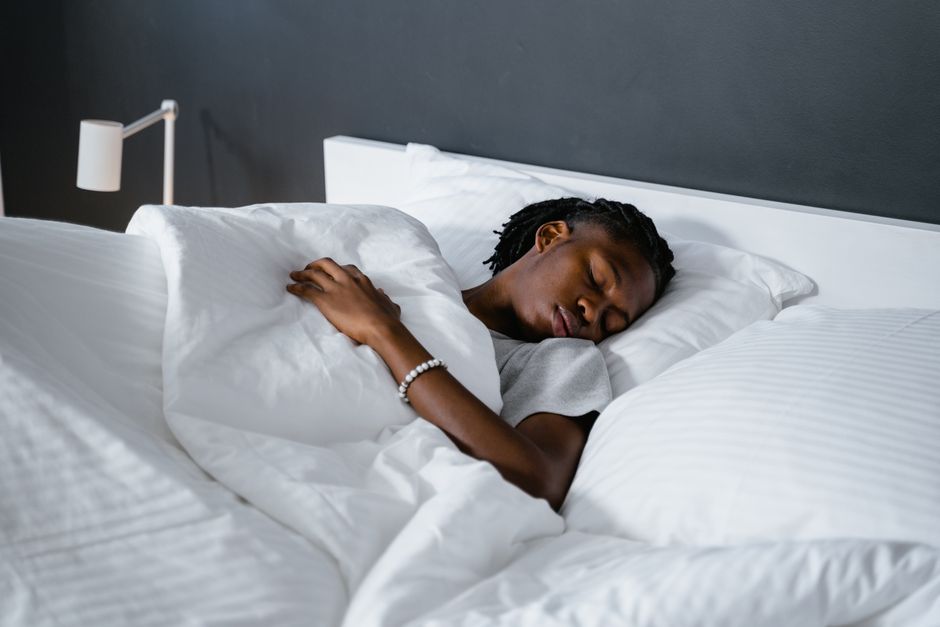
You can sleep without a bed. Humans did it for most of history, and people still do it today — on futons, floor mats, camping pads, couches, and hammocks. The key is not the absence of a bed. It is whether the surface you choose supports your spine, keeps you warm, and lets you stay asleep without pain.
Good options include a firm mattress topper on the floor, a Japanese futon, a dense foam camping pad, or a hammock. Softer surfaces like thick carpet, air mattresses, and couches tend to cause problems over time. The right choice depends on how long you plan to sleep this way and what your body needs.
How To Sleep Without A Bed Best Surfaces Tips
Not all floors are equal, and not all bodies tolerate the same surface. What works for a healthy 30-year-old for one night may cause real pain for someone with lower back issues after a week.
The main job of any sleep surface is to keep your spine in roughly neutral alignment — the same gentle curve it has when you stand. A surface that is too soft lets your hips sink lower than your shoulders. Too firm, and your shoulders and hips take all the pressure while your lower back arches.
Here are the surfaces that tend to work best, ranked by how well they support the body:
- Firm mattress topper on the floor. A 3 to 4 inch high-density foam or latex topper gives cushioning without letting you sink through. This is often the easiest transition from a bed.
- Japanese futon (shikibuton). A traditional cotton or wool futon laid directly on the floor. Firm, thin, and designed for daily folding. Needs to be aired out regularly to prevent moisture buildup.
- Camping sleeping pad. Closed-cell foam pads or self-inflating pads with an R-value of 4 or higher work for short-term use. Inflatable air pads are convenient but can develop leaks and feel unstable.
- Hammock. A gathered-end hammock supports the body in a slight banana curve. Some people find it comfortable. Others wake up with shoulder or knee strain. Sleeping diagonally helps flatten the curve.
- Firm carpet with padding. Better than bare floor but usually too thin for more than a night or two. Add a mat or topper for anything longer.
The floor itself matters less than what you put on it. A concrete floor stays cold and hard. A wood floor with a rug is warmer. A carpeted floor is warmest but still needs cushioning.
Is Sleeping On The Floor Bad For Your Back?
Sleeping on the floor is not inherently bad for your back. Research on sleep surfaces consistently finds that medium-firm surfaces support the spine better than very soft ones. The problem is not the floor. It is sleeping on a surface that is too hard or too thin for your body.
When you sleep on a hard surface with no cushioning, pressure builds at your shoulders, hips, and heels. Your lower back may arch if your mattress does not fill the gap between your waist and the floor. Over one night, this is uncomfortable. Over weeks, it can cause or worsen pain.
People with certain conditions should be cautious. If you have:
- Chronic lower back pain
- Hip or shoulder arthritis
- Sciatica
- Fibromyalgia or widespread pain conditions
- Recent surgery or injury
…a hard floor surface may make symptoms worse. That does not mean you cannot try it. It means you should start with a thicker topper and pay attention to how your body responds over several nights, not just one.
Some people with back pain actually report feeling better on a firmer surface. The evidence here is mixed. Some studies suggest medium-firm mattresses reduce pain compared to firm ones. Other people do better on firm. There is no single answer that fits everyone.
How Do You Stay Warm Sleeping On The Floor?
Cold rises from the floor and pulls heat out of your body. This is the most common reason people give up on floor sleeping after a few nights. The fix is insulation, not more blankets on top.
What you sleep on matters more than what you sleep under. A sleeping pad with a high R-value blocks heat loss to the floor. R-value measures how well a material resists heat flow. For cold floors, an R-value of 4 or higher is generally recommended for camping. For indoor floor sleeping in a heated home, an R-value of 2 to 3 is often enough.
Layer your setup like this:
- Base layer: a rug, foam mat, or yoga mat to block direct floor contact
- Middle layer: your main sleeping pad or topper
- Top layer: a fitted sheet or blanket over the pad
- Body: warm sleepwear, socks, and a blanket or sleeping bag rated for the room temperature
Wool and synthetic fills insulate better than cotton when damp. Cotton absorbs moisture and loses insulation value. If you sweat at night, a wool blanket or synthetic fill works better against the floor.




How Long Can You Sleep Without A Bed?
There is no medical limit on how long a person can sleep without a bed. People sleep on floors, mats, and hammocks for years. The question is whether your body tolerates it and whether you are getting good sleep.
Short-term floor sleeping — a few nights to a few weeks — is generally fine for healthy adults. Long-term floor sleeping is also fine for some people. Traditional Japanese and Korean households have slept on floor mats for centuries. Many people in those cultures sleep well into old age on futons.
What matters is sleep quality, not the furniture. If you are waking up stiff, sore, or unrested after a week, the surface is not working for you. Adjust it or go back to a bed. There is no prize for sleeping on the floor.
One non-obvious point: the transition period matters. Your body adapts to whatever surface you sleep on. Switching from a soft bed to a hard floor overnight can cause temporary soreness even if the floor is ultimately better for you. Give it several nights before deciding.
What Are The Risks Of Sleeping Without A Bed?
The risks are real but mostly manageable. They fall into three categories: musculoskeletal, thermal, and environmental.
Musculoskeletal risks include pressure points, joint stiffness, and back pain from poor alignment. These are more likely if your surface is too hard, too thin, or does not match your body type. Side sleepers need more cushioning at the hips and shoulders. Back sleepers need support under the lower back. Stomach sleepers put strain on the neck regardless of surface.
Thermal risks include hypothermia in cold environments. This is rare indoors but possible if you sleep on a cold floor without insulation. Cold floors can also worsen muscle stiffness and joint pain.
Environmental risks include dust mites, mold, and moisture. Floor surfaces collect dust and are closer to drafts and pests. A futon that is not aired out regularly can grow mold. If you have allergies or asthma, this matters.
People with certain health conditions should talk to a doctor before switching to floor sleeping. This includes anyone with osteoporosis, recent fractures, circulatory problems, or conditions that affect balance and mobility.
Tips For Sleeping Well Without A Bed
Getting good sleep without a bed is mostly about preparation. The surface is one part. Temperature, light, noise, and routine matter just as much.
- Choose a surface that keeps your spine neutral. Test it for several nights before deciding.
- Insulate from the floor. Cold is the most common reason floor sleeping fails.
- Use a pillow that keeps your neck aligned. On a firm surface, you may need a thinner pillow than on a soft bed.
- Place a pillow between your knees if you sleep on your side. This reduces hip and lower back strain.
- Keep the room cool but not cold. Most people sleep best in a room around 65 to 68 degrees Fahrenheit.
- Avoid alcohol before bed. It disrupts sleep quality regardless of where you sleep.
- Keep a consistent sleep schedule. Your body clock matters more than your mattress.
- If you have pain that worsens over a week, change your setup or see a doctor.
Sleep position matters as much as surface. Side sleeping with proper pillow support is generally easiest on the spine. Back sleeping is also fine if your lower back is supported. Stomach sleeping is the hardest position to make comfortable on any surface, bed or floor.
If you are sleeping on the floor because of back pain, be honest with yourself about whether it is helping. Some people feel better. Some feel worse. The evidence does not support floor sleeping as a treatment for back pain. It is simply one option among many.
Frequently Asked Questions
Can you sleep on the floor with just a blanket?
A single blanket is not enough for most people beyond one night. You need at least 2 to 3 inches of cushioning to protect pressure points and support your spine.
Is it better to sleep on a firm or soft surface?
Medium-firm surfaces generally support the spine best, according to sleep research. Very soft surfaces let your hips sink and very firm surfaces create pressure points.
How do you stop cold from the floor at night?
Use a sleeping pad with an R-value of 2 to 4 or higher, and add a rug or foam mat underneath. Insulation below you matters more than extra blankets on top.
Should you sleep on the floor if you have back pain?
Some people with back pain report feeling better on a firmer surface, but the evidence is mixed. Talk to a doctor before making a change if your pain is chronic or severe.
