
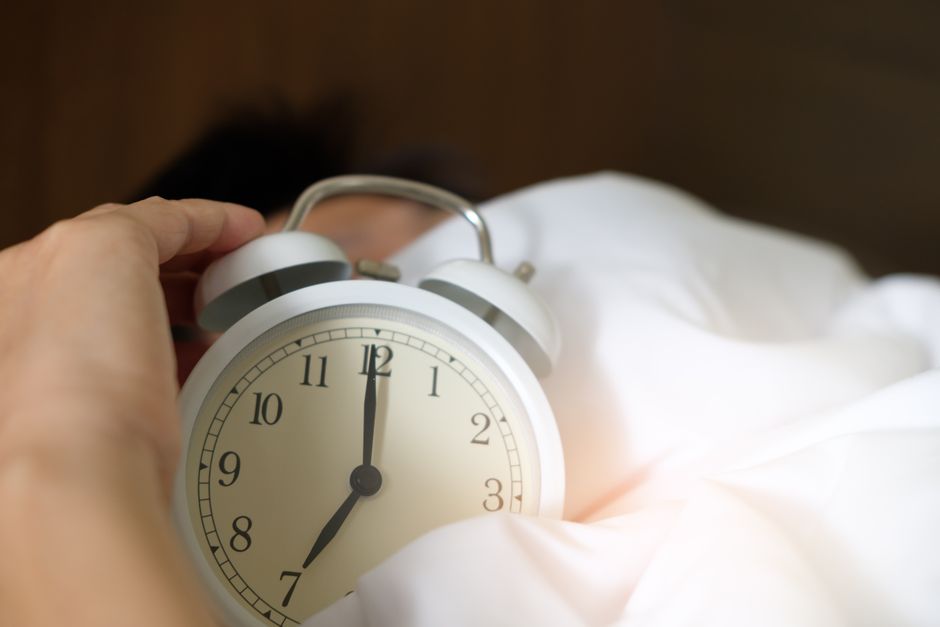
You slept seven or eight hours. You woke up without an alarm. And by mid-morning you are fighting to keep your eyes open. That gap between time in bed and feeling rested is the part most people never get explained.
Constant daytime sleepiness despite adequate sleep usually means one of three things: your sleep is being fragmented without you noticing, your sleep drive or circadian rhythm is out of step with your schedule, or an underlying medical condition is draining your energy. The amount of time you spend in bed matters far less than the quality and timing of the sleep you actually get. If this has been going on for weeks or months, it is a signal worth taking seriously rather than pushing through.
Why Do I Feel Sleepy All The Time Even After Enough Sleep?
Sleep is not a single uniform state. It moves through stages, and the restorative work happens in specific ones. If those stages keep getting interrupted, you can spend eight hours in bed and still wake up unrefreshed.
Sleep cycles through two broad categories: non-REM sleep and REM sleep. Non-REM has three stages, and the deepest one, slow-wave sleep, is when the body does much of its physical repair and when the brain clears metabolic waste. REM sleep is tied to memory consolidation and emotional processing. A full cycle takes roughly 90 minutes, and you go through several cycles a night.
Here is the part that surprises people. Slow-wave sleep is concentrated in the first half of the night. REM is concentrated in the second half. Alcohol, a late heavy meal, a warm bedroom, a snoring partner, or a pet on the bed can pull you toward lighter sleep without fully waking you. You may not remember a single awakening. Your brain still registered the disruption, and the deep stages got cut short.
So the honest answer to the question is often not “you need more sleep.” It is “your sleep is not doing what sleep is supposed to do.” That can come from fragmented architecture, a mistimed body clock, or a medical condition. Those are different problems with different solutions.
What Is the Difference Between Feeling Tired and Feeling Sleepy?
These two words get used interchangeably, and that causes real confusion. They point to different underlying problems.
Sleepiness is the urge to sleep. You feel it as heavy eyelids, nodding off during a meeting, or a strong pull toward the couch in the afternoon. It is a drive, like hunger or thirst, and it builds the longer you stay awake.
Fatigue is a lack of energy or stamina. You feel it as heaviness in your limbs, difficulty starting tasks, or feeling drained after mild exertion. You can be deeply fatigued and still not fall asleep when you lie down.
This distinction matters because it changes where to look. Persistent sleepiness points toward a sleep problem. Persistent fatigue points toward a much wider list, including anemia, thyroid disorders, depression, chronic infections, medication side effects, and metabolic conditions.
Many people have both at once. If you cannot tell which one dominates, that is itself useful information to bring to a clinician.
What Medical Conditions Cause Constant Daytime Sleepiness?
Several conditions reliably produce daytime sleepiness even when a person believes they are sleeping enough. These are not rare. They are also frequently missed.
- Obstructive sleep apnea. The airway repeatedly narrows or closes during sleep, dropping oxygen levels and pulling the brain out of deep sleep to restore breathing. Loud snoring, gasping, and morning headaches are common signs, but not everyone has them. Many people with apnea have no idea it is happening.
- Narcolepsy. A neurological disorder affecting the brain’s regulation of sleep and wakefulness. It can cause overwhelming daytime sleepiness and sudden sleep attacks. It is uncommon but often takes years to diagnose.
- Idiopathic hypersomnia. Persistent excessive sleepiness without a clear cause, even after normal or long sleep. It is a diagnosis made after other conditions are ruled out.
- Circadian rhythm disorders. The internal clock runs out of sync with the external schedule. Shift work, delayed sleep phase, and irregular sleep timing all fall here.
- Hypothyroidism. An underactive thyroid slows metabolism and commonly causes fatigue and sleepiness.
- Anemia. Low red blood cells or low iron reduce oxygen delivery to tissues, which shows up as tiredness and low energy.
- Depression and anxiety. Both can disrupt sleep architecture and produce daytime exhaustion independent of sleep duration.
- Medication side effects. Antihistamines, some antidepressants, blood pressure medications, and muscle relaxants are common culprits.
Notice how many of these have nothing to do with how long you sleep. That is the recurring theme. Duration is one variable among several.





How Does Your Circadian Rhythm Affect Daytime Sleepiness?
Your body runs on an internal clock that governs when you feel alert and when you feel sleepy. That clock can be perfectly healthy and still be set to the wrong time.
The circadian system responds mainly to light exposure, especially in the morning. If you wake before dawn, work indoors under artificial light, and get bright light late at night from screens, your clock can drift. You may feel sleepy at the wrong hours and alert when you should be winding down.
Shift work is the clearest example. Someone working nights is fighting their biology, not a lack of willpower. The sleep they get during the day tends to be shorter and lighter because the circadian system is pushing toward wakefulness.
Social jet lag is a milder version. Staying up late and sleeping in on weekends shifts your clock, then Monday morning hits like a small time zone change. The grogginess is real, not imagined.
Light timing is one of the more powerful levers here. Morning light exposure helps anchor the clock. Late-evening bright light tends to push it later. This is well established in circadian research.
Can Lifestyle Factors Make You Sleepy Even With Enough Sleep?
Yes, and this is where many people find their answer. Sleep duration can be adequate while sleep quality is quietly undermined.
Alcohol is the most common offender. It can help you fall asleep faster, which is why people believe it helps. But it suppresses REM sleep and causes rebound wakefulness in the second half of the night. You sleep, but the architecture is wrong.
Caffeine has a long half-life. Consumed in the afternoon, it can still be active at bedtime, delaying sleep onset and reducing deep sleep even if you do not notice difficulty falling asleep.
Other factors that reduce sleep quality without reducing sleep quantity:
- A bedroom that is too warm, since core body temperature needs to drop for deep sleep
- Late heavy meals that increase reflux and metabolic activity
- Irregular sleep and wake times that confuse the circadian clock
- Untreated pain or restless legs that fragment sleep
- High stress that keeps the nervous system activated overnight
None of these show up as “I only slept five hours.” They show up as “I slept eight hours and still feel awful.”
When Should You See a Doctor About Constant Sleepiness?
See a clinician if daytime sleepiness persists for several weeks despite what looks like adequate sleep, or if it interferes with work, driving, or daily function.
Certain signs warrant attention sooner. These include falling asleep while driving, nodding off during conversations or meals, gasping or choking during sleep, loud snoring with witnessed pauses in breathing, or sudden muscle weakness triggered by strong emotion.
Do not self-diagnose from a symptom list. Many of these conditions overlap, and several require specific testing to identify. A sleep study, thyroid panel, or blood count may be part of the workup. The point of evaluation is to separate the treatable causes from the ones that need different management.
One clarification worth stating plainly: sleepiness that you can push through with caffeine and willpower is not the same as sleepiness that overrides your intention to stay awake. The second kind is a stronger signal that something physiological is going on.
What Helps Reduce Daytime Sleepiness?
The most effective step is identifying the cause, because the right fix depends entirely on what is driving the problem. Beyond that, several general measures support better sleep quality.
- Keep sleep and wake times consistent, including weekends
- Get bright light in the morning and dim light in the evening
- Limit caffeine to earlier in the day
- Avoid alcohol close to bedtime
- Keep the bedroom cool, dark, and quiet
- Get regular physical activity, though not right before bed for some people
These support sleep quality but do not treat a medical condition. If you have sleep apnea, no amount of sleep hygiene will fix it. If you have hypothyroidism, lifestyle changes will not correct hormone levels. The honest position is that self-management helps at the margins and does not replace diagnosis when a real disorder is present.
Be cautious with supplements marketed for energy or sleep. Many have limited or no clinical evidence behind them, and some interact with medications. Talk to a clinician or pharmacist before adding anything.
Frequently Asked Questions
Why am I still tired after 8 hours of sleep?
Eight hours in bed does not guarantee eight hours of quality sleep. Fragmented sleep, alcohol, or a medical condition like sleep apnea can cut deep sleep short even when total time in bed looks adequate.
What condition causes excessive daytime sleepiness?
Obstructive sleep apnea is one of the most common causes, along with narcolepsy, idiopathic hypersomnia, hypothyroidism, and circadian rhythm disorders. A clinician can help narrow down which applies to you.
Can low iron make you sleepy even after sleeping well?
Yes. Iron deficiency and anemia reduce oxygen delivery to tissues, which commonly causes fatigue and low energy. A simple blood test can check for it.
Is it normal to feel sleepy every afternoon?
A mild dip in alertness in the early afternoon is normal and tied to circadian rhythm. Sleepiness that is hard to resist, or that interferes with daily tasks, is not normal and is worth evaluating.
