
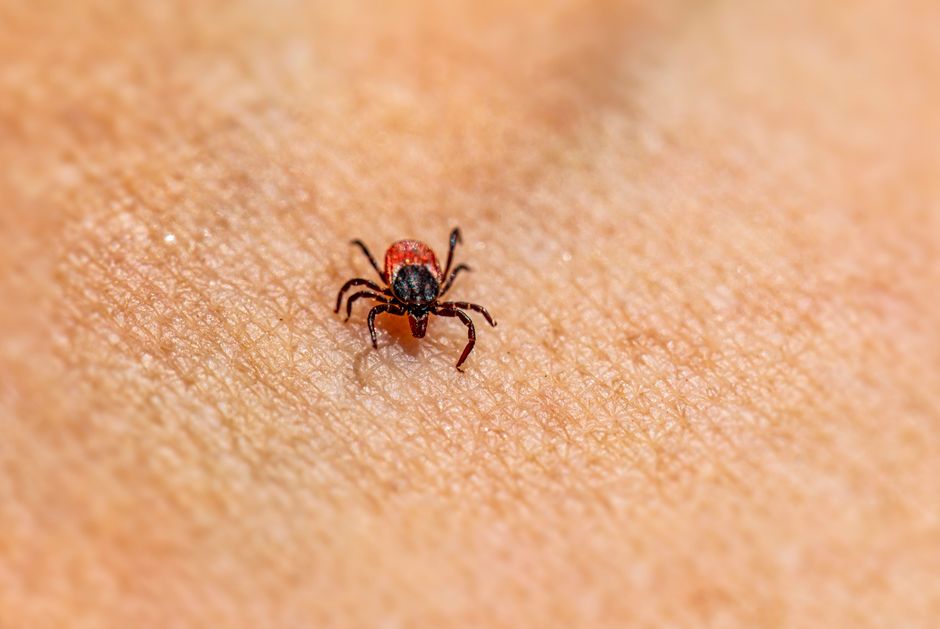
Get a tick bite checked by a doctor if you develop a rash, fever, headache, muscle aches, or joint pain after a bite — or if you cannot completely remove the tick. Most tick bites are harmless and need no medical care. The bite itself matters less than what happens in the days and weeks after it. A tick-borne illness is treated most effectively when caught early, so timing is the whole point.
When To Get A Tick Bite Checked By A Doctor
See a doctor promptly if any of these apply:
- You have a rash, especially one that expands over days into a ring or oval shape.
- You develop fever, chills, headache, fatigue, or muscle and joint aches within a few weeks of a bite.
- The tick’s mouthparts are stuck in your skin and you cannot remove them.
- The tick was attached for a long time and looked swollen, or you were bitten in an area where tick-borne disease is common.
- You are pregnant, or the bite is on a young child.
- The bite site looks infected — spreading redness, warmth, swelling, or pus.
One point people often get wrong: the germ that causes Lyme disease usually takes many hours of attachment before it can pass into your body. A tick that has been on you briefly is far less likely to transmit infection than one that has fed for a day or more. Removing a tick quickly is itself a form of prevention.
What Does a Normal Tick Bite Look Like?
A normal reaction is a small red bump, sometimes with mild itching. It usually appears within a day or two and fades on its own. This is your skin reacting to the bite, not a sign of infection.
Some people get a larger local reaction — a red, itchy patch that can spread a few centimeters. This can look alarming but is often just irritation. The distinction that matters is timing and shape. A harmless local reaction tends to appear quickly and stay put. The rash of Lyme disease typically shows up days later and grows steadily larger over time.
Watch the bite for a few days. Take a photo with your phone and note the date. If the redness expands, that is your cue to call a doctor.
What Does the Lyme Disease Rash Actually Look Like?
The classic Lyme rash — called erythema migrans — is often described as a bullseye, but it does not always form a ring. Many cases are a solid red or pink oval that simply gets bigger. It usually appears within days to a few weeks after the bite and can reach several inches across.
It is generally not very itchy or painful, which is part of why people miss it. It can show up anywhere on the body, not only at the bite site. If you see a rash like this, see a doctor. Early Lyme disease is treatable, and treatment works best when started soon after symptoms appear.
Not everyone with Lyme disease gets a rash, and not everyone notices the tick. That is why fever, headache, and aches after time outdoors deserve a medical visit even without a visible bite.




What Other Symptoms Should Prompt a Doctor Visit?
Flu-like symptoms in the weeks after a tick bite are the main warning sign. Fever, chills, headache, tiredness, and muscle aches can point to several tick-borne infections, including Lyme disease, anaplasmosis, and ehrlichiosis. These illnesses are caused by different organisms but can start with similar symptoms.
Joint swelling, facial drooping, or a racing heartbeat appearing later are reasons to seek care quickly. These can be signs of more advanced disease. Tell your doctor you had a tick bite and when it happened — that detail changes what they consider.
Different regions carry different tick-borne diseases. Knowing which ticks live in your area helps your doctor decide what to test for.
How Do You Remove a Tick Correctly?
Use fine-tipped tweezers and grasp the tick as close to the skin as you can. Pull straight up with steady pressure. Do not twist or jerk. Do not crush the tick.
Do not use petroleum jelly, nail polish, alcohol, or a hot match. These folk methods do not help and can cause the tick to release more saliva into your skin. Clean the bite and your hands with rubbing alcohol or soap and water afterward.
Save the tick in a sealed container or a small plastic bag if you can. If symptoms develop, identifying the tick and its species can help your doctor. If mouthparts break off and stay in the skin, try to remove them with tweezers. If you cannot, see a doctor — do not dig at your skin.
Do You Need Antibiotics After Every Tick Bite?
No. Most tick bites do not lead to infection, and routine antibiotics after every bite are not recommended for most people. Whether preventive treatment is offered depends on factors like the tick species, how long it was attached, how common tick-borne disease is where you were bitten, and your own health.
This is a decision for a clinician, not a general rule. Some doctors in high-risk areas may offer a single preventive dose in specific situations. That practice is not universal and does not apply to every bite. If you are unsure, ask a doctor rather than guessing.
How Long After a Bite Can Symptoms Appear?
Symptoms of tick-borne illness usually appear within days to a few weeks after a bite. The Lyme rash often shows up within the first week or two. Other infections can cause fever within a similar window.
This is why the weeks after a bite matter. Keep an eye out for fever, rash, aches, or unusual tiredness during that time. If any appear, see a doctor and mention the bite. A short course of antibiotics treats most early tick-borne infections effectively; waiting lets the infection progress.
When Is It an Emergency?
Seek urgent care for trouble breathing, facial or throat swelling, or a rapidly spreading rash with dizziness — these can signal a severe allergic reaction, which is rare but serious. High fever with confusion, a severe headache, or a stiff neck also needs prompt attention.
Standard tick bites are not emergencies. The goal is catching a tick-borne infection early, not reacting to the bite itself.
Frequently Asked Questions
How soon after a tick bite should I see a doctor?
See a doctor as soon as you notice a rash, fever, or aches after a bite — ideally within days. Early treatment works best, so do not wait for symptoms to worsen.
Can I wait to see if symptoms appear after a tick bite?
For a brief bite with no symptoms, watching for a few weeks is reasonable. If you develop a rash or fever, see a doctor promptly rather than waiting longer.
Should I get tested for Lyme disease right after a bite?
Testing right after a bite is generally not useful because the body has not yet made the antibodies tests detect. A doctor decides on testing based on your symptoms and timing.
What if I can’t get the tick out?
See a doctor if mouthparts are stuck and you cannot remove them with tweezers. Do not dig at your skin, which can cause infection.
