
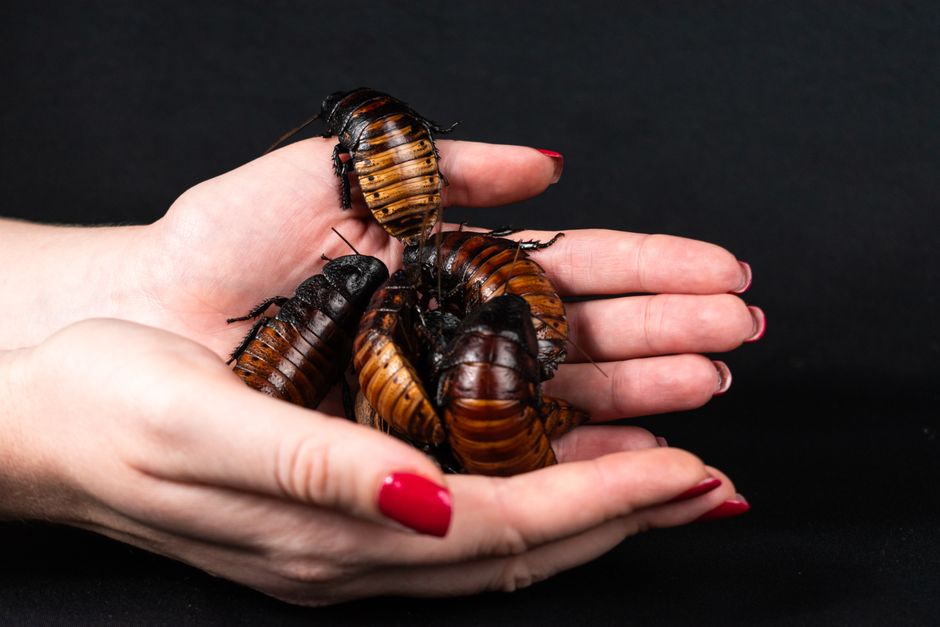
Cockroaches are among the most common household pests in the United States, and when you spot one scurrying across your kitchen floor at night, the question often shifts from disgust to concern: do roaches bite humans? Yes, cockroaches are capable of biting humans, but it is a rare event. Unlike mosquitoes or bed bugs that rely on human blood for survival, cockroaches do not seek out people as a food source, and most people who live with an infestation will never be bitten.
Do Roaches Bite Humans While They Sleep?
Most reported cockroach bites happen at night while a person is asleep. This is not because roaches are hunting you. It is because they are nocturnal scavengers that become active in the dark, and a sleeping person is simply part of the environment they are moving through.
Cockroaches are opportunistic feeders. They will eat almost anything organic, including crumbs, grease, paper, and even dead skin cells. When a severe infestation exists and food sources become scarce, a cockroach may resort to nibbling on the exposed skin of a sleeping human. The most commonly targeted areas are the fingers, toes, eyelids, and lips — places where dead skin cells and residual food particles tend to accumulate.
These bites are not a sign that roaches prefer human blood. They are a sign of desperation or extreme infestation. A healthy roach population with access to typical kitchen scraps rarely needs to approach a sleeping person.
What Does a Cockroach Bite Look Like?
Because bites are so uncommon, many people mistake cockroach bites for other insect bites or skin conditions. The appearance is not distinctive on its own.
A cockroach bite typically produces a small, red, raised bump that looks similar to a mosquito bite or a bed bug bite. The area may become itchy and slightly swollen. The bite itself is not venomous, and it does not inject any toxin into the skin.
What distinguishes cockroach bites from other insect bites is the context. If you have a known roach infestation and wake up with small red marks on your fingers or face, cockroaches are a possible cause. If you do not have an infestation, the marks are almost certainly from something else. Some research suggests that cockroach bites may form a crust or scab more quickly than mosquito bites, but this is not a reliable way to identify them.
One important note: cockroach saliva and feces contain proteins that many people are allergic to. A bite reaction can sometimes be an allergic response rather than direct damage from the bite itself. This means two people bitten by the same roach could have very different skin reactions.
Do Cockroach Bites Carry Disease?
Cockroaches are known carriers of bacteria and pathogens, but the risk from a bite specifically is different from the risk of contamination.
Cockroaches pick up bacteria like Salmonella and E. coli by walking through unsanitary areas such as garbage, drains, and sewage. They then spread these pathogens to surfaces, food, and utensils through their feces, saliva, and body parts. This is the primary health risk of a cockroach infestation — not the bite itself.
When a cockroach bites a human, it introduces its saliva into the wound. Studies have shown cockroach saliva contains various bacteria, and any break in the skin carries a risk of secondary infection. However, there is no strong evidence that cockroach bites transmit the serious diseases that cockroaches are known to carry. The pathogens they spread are transmitted through contamination of food and surfaces, not through biting.
The realistic risk from a bite is a localized skin infection. If the bite becomes red, warm, painful, or starts draining fluid, it may be infected and should be evaluated by a healthcare provider. Tetanus is a theoretical concern with any break in the skin, and keeping your tetanus vaccination current is reasonable advice for anyone living with a significant pest problem.
How to Treat a Cockroach Bite
If you discover a bite that you believe came from a cockroach, basic first aid is usually sufficient. Wash the area thoroughly with soap and warm water to remove any bacteria that may have been introduced. Apply an over-the-counter antibiotic ointment to reduce the risk of infection.
For itching and swelling, a cold compress can provide relief. Over-the-counter hydrocortisone cream or an oral antihistamine like diphenhydramine (Benadryl) can help if the reaction is itchy. Most cockroach bites heal on their own within a few days without any complications.
Seek medical attention if you notice signs of infection such as increasing pain, redness spreading beyond the bite site, warmth, or pus. Also seek care if you develop signs of a severe allergic reaction, which is rare but possible, including difficulty breathing, swelling of the face or throat, or widespread hives.
Why Cockroaches Bite and Why They Usually Do Not
Cockroaches are not parasites. Parasites like bed bugs and mosquitoes have evolved specifically to feed on blood. Cockroaches have not. Their mouthparts are designed for chewing solid organic matter, not for piercing skin and drawing blood.
When a cockroach does bite, it is using its mandibles to chew at dead skin cells, food residue, or the thin, delicate skin around the eyes and lips. These are not sustained feeding events like a mosquito taking a blood meal. They are brief, opportunistic nibbles.
This explains why bites are so rare. A cockroach must be in a situation where its normal food sources are exhausted, and it must encounter exposed skin on a person who is completely still. Even then, many cockroach species show little interest in biting humans. The German cockroach, which is the most common indoor species in the United States, is far more likely to feed on crumbs and garbage than on human skin.
If you are waking up with bites and you have cockroaches, the priority is not treating the bites — it is eliminating the infestation. Bites will continue to be a risk only as long as the roach population remains large enough to compete for food.
Do Roaches Bite Humans or Is It Another Pest?
Misidentification is a real problem. Several other pests are far more likely to be the cause of mysterious bites.
Bed bugs are the most common culprit. They feed exclusively on blood, are active at night, and leave clusters of itchy bites on exposed skin. Fleas also bite humans, usually around the ankles and lower legs. Spider bites, though often blamed, are actually quite rare and usually produce a more significant reaction than a small red bump.
Here is how to think about it: if you have confirmed cockroach activity and you are finding bites, cockroaches are a possible cause. But if you do not have visible roach activity, or if the bites are appearing in a pattern typical of bed bugs or fleas, investigate those possibilities first. A pest control professional can help identify the source of the bites by inspecting your home for all types of pests.
One distinguishing factor is that cockroaches do not live in your bed. They prefer warm, moist environments like kitchens and bathrooms. Bed bugs, on the other hand, live in mattress seams and box springs. If you are finding bites but no evidence of roaches near your sleeping area, bed bugs are a more likely explanation.
How to Prevent Cockroach Bites
Preventing cockroach bites is the same as preventing cockroaches themselves. Eliminate the conditions that attract them and they will not be in your home to bite you.
Seal cracks and gaps around windows, doors, and baseboards to keep roaches from entering. Store food in airtight containers and never leave dirty dishes in the sink overnight. Take out the trash regularly and keep garbage bins sealed. Fix leaky pipes and eliminate standing water, as cockroaches need moisture to survive.
If you live in an apartment building or a multi-unit dwelling, know that cockroach control may require cooperation with your neighbors and property management. Roaches can travel between units through walls and shared plumbing. A single unit with poor sanitation can sustain an infestation that affects the entire building.
For established infestations, over-the-counter baits and traps can be effective for light problems. Severe infestations almost always require professional pest control. Some research suggests that gel baits are among the most effective over-the-counter options because they are slow-acting, allowing roaches to carry the poison back to their nests and spread it to other roaches.
Frequently Asked Questions
Can cockroaches bite through clothing?
No, cockroaches cannot bite through clothing. Their mouthparts are not strong enough to penetrate fabric, which is why bites are limited to exposed skin.
Are cockroach bites dangerous?
Cockroach bites are not venomous and do not transmit serious diseases. The main risk is a secondary bacterial infection if the wound is not cleaned properly.
Why do I have bites but no sign of cockroaches?
If you have no visible cockroach activity, another pest is likely responsible. Bed bugs and fleas are far more common causes of unexplained bites in the home.
Do cockroaches bite pets?
Cockroaches may occasionally nibble on pets, but this is also rare. Pets are more at risk from eating cockroaches contaminated with pesticides than from being bitten.
