
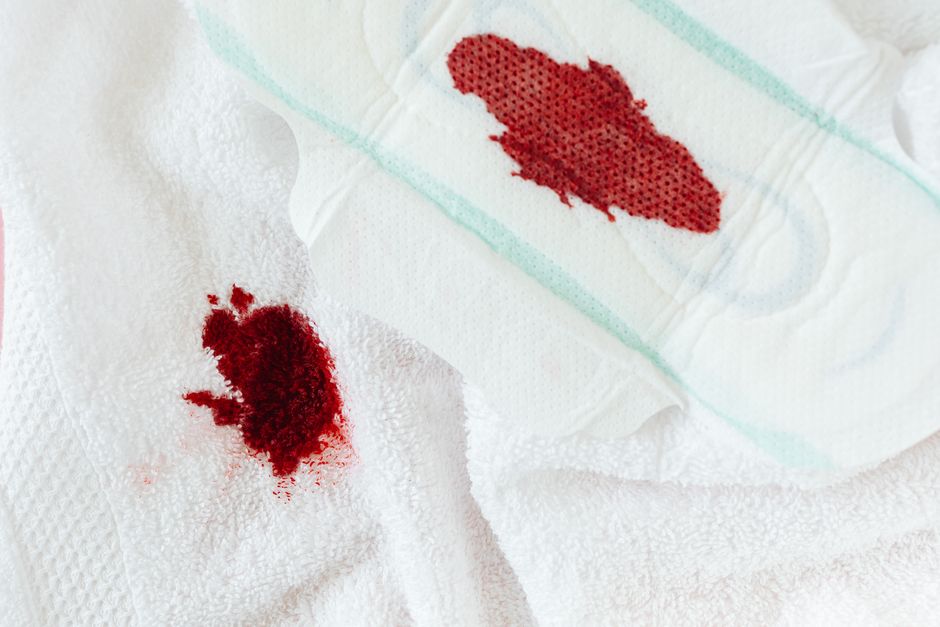
Seeing blood in your stool is alarming, but it is not always a medical emergency. The right response depends on the amount of blood, the color, and your other symptoms. Minor bleeding from a hemorrhoid or an anal fissure can often be managed at home with fiber, fluids, and gentle hygiene. However, you should see a doctor if the bleeding is heavy, dark, or accompanied by weakness, dizziness, or severe pain. Blood in the stool always deserves a medical evaluation to rule out more serious conditions.
What Is Bloody Stool And What Causes It?
Bloody stool means there is bleeding somewhere in your digestive tract. The location of the bleeding often determines what the blood looks like.
Bright red blood on the toilet paper or on the surface of the stool usually comes from the lower part of the digestive tract. This includes the rectum and the anus. Dark, tarry, or black stool suggests bleeding higher up in the stomach or the small intestine. Blood that has traveled through the digestive system turns dark as it is digested.
The most common causes of bright red blood are hemorrhoids and anal fissures. Hemorrhoids are swollen veins in the lower rectum. Anal fissures are small tears in the lining of the anus, often caused by passing hard stool. Both are common and both are treatable.
Other possible causes include diverticulosis, inflammatory bowel disease, polyps, or colorectal cancer. These conditions require a doctor’s diagnosis. You cannot tell the cause by appearance alone.
How To Stop Bloody Stool At Home
Home care only applies to minor bleeding that you have already discussed with a doctor or that you know comes from hemorrhoids or a fissure. If this is your first episode of rectal bleeding, do not attempt home treatment without a medical opinion first.
Add fiber gradually. Fiber softens stool and makes it easier to pass. Hard stool is the main cause of anal fissures and can irritate hemorrhoids. Good sources include fruits, vegetables, whole grains, and legumes. If you increase fiber suddenly, you may get gas and bloating. Add it slowly over a week or two.
Drink more water. Fiber only works if you drink enough fluids. Aim for water throughout the day. Dehydration makes stool hard and increases straining during bowel movements.
Do not strain. Straining increases pressure on the veins in your rectum. It can worsen hemorrhoids and reopen fissures. Sit on the toilet only when you feel the urge. Do not sit for long periods or push forcefully.
Use a sitz bath. Soaking the anal area in warm water for 10 to 15 minutes can relieve pain and promote healing. Some clinicians recommend doing this two to three times a day. Use plain warm water without soap or additives.
Try a stool softener if needed. Over-the-counter stool softeners like docusate can make bowel movements less painful. These are generally considered safe for short-term use. Follow the dosing on the package.
Apply a topical product. Over-the-counter hemorrhoid creams containing hydrocortisone can reduce itching and swelling. Use them only as directed and only for a few days. Prolonged use of hydrocortisone can thin the skin.
These measures help with minor bleeding from hemorrhoids or fissures. They do not treat bleeding from polyps, tumors, or inflammatory disease.
When To See A Doctor Immediately
Some situations require urgent medical care. Do not wait to see if the bleeding stops on its own.
Seek emergency care if you have any of these signs:
- Large amounts of blood in the toilet bowl
- Blood clots in the stool
- Dark, tarry, or black stool
- Lightheadedness, dizziness, or fainting
- Rapid heart rate
- Severe abdominal pain
- Bleeding that does not stop
Heavy bleeding can cause a dangerous drop in blood pressure. Black or tarry stool can mean bleeding in the stomach or upper intestine, which can become severe quickly. These symptoms need immediate evaluation in an emergency department.
If you are taking a blood thinner such as warfarin, apixaban, or rivaroxaban, any rectal bleeding should be discussed with a doctor promptly. Blood thinners increase the risk of significant blood loss.





When To Make A Doctor’s Appointment
Even if the bleeding is light, you should see a doctor if it happens more than once. A single small streak of blood after passing a hard stool may be a fissure. But recurrent bleeding needs evaluation.
Make an appointment if you experience any of the following:
- Bleeding that lasts more than a few days
- Bleeding that comes back after stopping
- A change in your normal bowel habits
- Stools that are narrower than usual
- Unexplained weight loss
- Persistent fatigue
- A family history of colorectal cancer or polyps
Age matters in this decision. The risk of colorectal cancer increases with age. Most guidelines recommend routine colorectal cancer screening starting at age 45. If you are 45 or older and have any rectal bleeding, do not assume it is just a hemorrhoid. Get it checked.
Your doctor will ask about your symptoms and medical history. They may perform a digital rectal exam. They might also recommend a colonoscopy to look at the entire colon. This is the standard way to rule out polyps and cancer.
What To Expect At The Doctor’s Office
A doctor’s evaluation for rectal bleeding typically starts with a history and physical exam. Be ready to describe the blood. Is it bright red or dark? Is it mixed into the stool or on the surface? How often does it happen? Have you had any pain, weight loss, or changes in appetite?
The physical exam usually includes a digital rectal exam. The doctor inserts a gloved finger into the rectum to feel for abnormalities. This is quick and uncomfortable but not usually painful.
Depending on your age and symptoms, the doctor may order a colonoscopy. During this procedure, a thin tube with a camera is used to examine the entire colon. Polyps can be removed during the same procedure. This is the most thorough way to evaluate rectal bleeding.
Some people need other tests. An upper endoscopy examines the stomach and upper intestine if dark blood suggests bleeding from higher up. Imaging tests like CT scans may be used in specific situations. Your doctor will recommend tests based on your individual risk factors and symptoms.
Can Hemorrhoids And Fissures Heal On Their Own?
Yes. Minor hemorrhoids and anal fissures can heal with time and home care. Small fissures often heal within a few weeks if stool stays soft. Hemorrhoid symptoms may improve when constipation is resolved.
However, healing depends on the underlying cause. If you keep passing hard stool, the fissure will not heal. If you keep straining, hemorrhoids will keep bleeding. Treating the constipation is the key to allowing these tissues to recover.
Some fissures do not heal despite good home care. Chronic fissures may require prescription ointments or other treatments. A doctor can help if a fissure lasts more than six weeks.
Preventing Bloody Stool In The Future
Prevention focuses on keeping stool soft and avoiding strain. The same habits that treat minor bleeding also prevent it from returning.
Eat a diet rich in fiber. Most adults should aim for 25 to 35 grams of fiber per day from food. If you cannot reach that with diet alone, a fiber supplement like psyllium can help. Drink plenty of fluids throughout the day.
Stay physically active. Regular movement helps keep the digestive system regular. Even a daily walk can reduce constipation.
Do not delay bowel movements. When you feel the urge, go. Holding it in allows the colon to absorb more water, making stool harder.
Limit time on the toilet. Spending long periods reading or scrolling on your phone while sitting on the toilet increases pressure on the anal area. Keep toilet time short.
Frequently Asked Questions
Can stress cause bloody stool?
Stress alone does not directly cause bleeding in the digestive tract. However, stress can change bowel habits and lead to constipation or diarrhea, which can irritate existing hemorrhoids or fissures.
Is bright red blood in stool always hemorrhoids?
No. Bright red blood often comes from hemorrhoids or anal fissures, but it can also signal polyps, inflammation, or colorectal cancer. Only a medical evaluation can confirm the cause.
How much blood in stool is normal?
No amount of blood in the stool is normal. Even a small streak warrants attention if it happens more than once. Heavy bleeding or blood with dizziness requires emergency care.
Can drinking more water stop bloody stool?
Drinking water helps soften stool and reduces straining, which can stop bleeding from a fissure or hemorrhoid. It will not stop bleeding from polyps, tumors, or other internal causes.
