
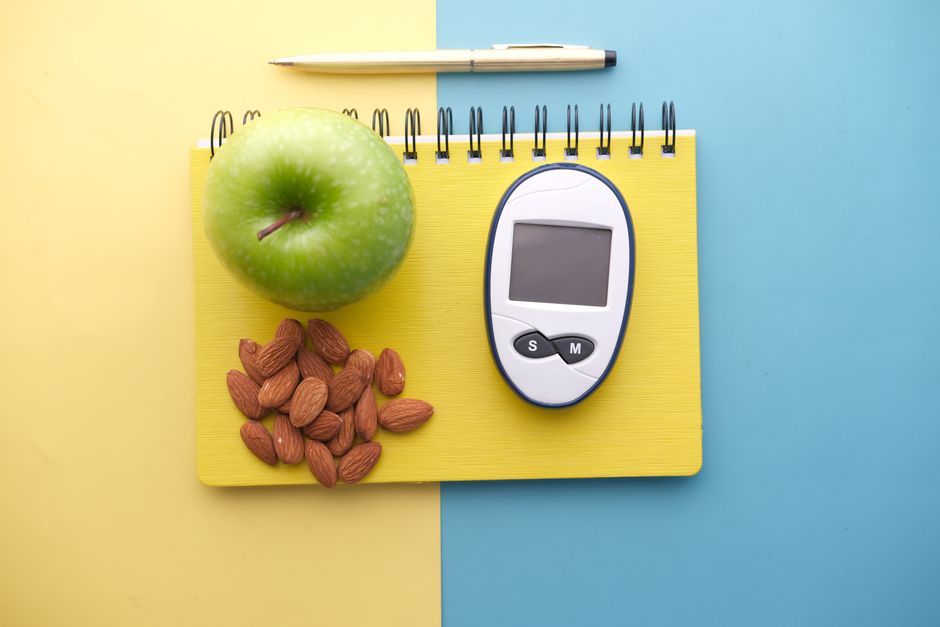
Keeping blood glucose low comes down to two things: what you eat and how you live between meals. Diet quality, meal timing, physical activity, sleep, and stress management all influence how your body handles sugar. No single food or habit controls blood glucose on its own — the effect comes from consistent daily patterns.
How Does Blood Glucose Normally Stay in Range?
Your body has a tightly controlled system for managing blood sugar. When you eat carbohydrates, they break down into glucose, which enters the bloodstream. The pancreas releases insulin, a hormone that signals cells to take in that glucose for energy or storage.
Between meals, the liver releases stored glucose to keep your brain and muscles fueled. Another hormone called glucagon drives this process. Insulin and glucagon work in opposition, keeping fasting blood glucose in a normal range of about 70–99 mg/dL for most adults without diabetes.
When this system works well, blood glucose rises after a meal and returns to baseline within about two hours. When it doesn’t work well — because cells become resistant to insulin, or the pancreas produces less insulin — glucose stays elevated. That’s the core problem in prediabetes and type 2 diabetes.
Understanding this matters because it explains why no single diet trick works. You’re not just managing the sugar on your plate. You’re supporting a hormonal system that runs around the clock.
What Should You Eat to Keep Blood Glucose Low?
Diet has the largest day-to-day impact on blood glucose. The goal is not to eliminate carbohydrates but to choose ones that digest slowly and pair them with protein, fat, and fiber.
Carbohydrates differ in how quickly they raise blood sugar. This is often described using the glycemic index and glycemic load. Foods with a lower glycemic load — most vegetables, legumes, whole intact grains, and many fruits — produce a slower, smaller rise in blood glucose than refined starches and sugars.
Fiber is one of the most useful tools here. Soluble fiber slows the emptying of the stomach and the absorption of glucose. It also feeds gut bacteria that produce short-chain fatty acids, which some research links to improved insulin sensitivity. Good sources include oats, beans, lentils, barley, apples, and chia seeds.
Protein and fat also blunt the glucose spike from a meal. Eating chicken with rice, or adding olive oil and nuts to a salad, slows digestion and produces a gentler glucose curve than eating the carbohydrate alone.
What to limit is more straightforward:
- Sugary drinks, including soda, sweet tea, and many fruit juices
- Refined grains like white bread, white rice, and most pastries
- Ultra-processed snack foods high in refined starch and added sugar
- Large portions of any single carbohydrate at one sitting
Portion size is not a minor detail. Even a healthy carbohydrate can push glucose up if eaten in a large amount. Spreading carbohydrates across the day, rather than concentrating them in one meal, generally produces steadier glucose levels.
How Do Meal Timing and Order Affect Blood Sugar?
When you eat can matter as much as what you eat. The order in which you eat foods within a meal has a measurable effect on the glucose response.
Several studies have found that eating vegetables and protein before starchy carbohydrates at the same meal leads to a lower post-meal glucose rise than eating the carbohydrate first. The effect is modest but consistent, and it requires no change to what’s on your plate — only the sequence.
Meal timing across the day also plays a role. Many people have better glucose control when they eat their larger meals earlier and keep evening meals lighter. This relates to the body’s circadian rhythm: insulin sensitivity tends to be higher earlier in the day and lower at night.
Time-restricted eating, where all meals are compressed into a window of roughly 8 to 10 hours, has been studied for glucose control. Results are mixed. Some trials show improvement in fasting glucose and insulin sensitivity; others show the benefit comes mainly from reduced calorie intake rather than the timing itself. The evidence does not yet support one specific eating window as clearly superior.
What is well established: skipping breakfast and then eating a very large, late dinner tends to produce worse glucose patterns than eating regularly earlier in the day.


How Does Physical Activity Help Lower Blood Glucose?
Muscle is the largest consumer of glucose in the body. When you contract your muscles, they can take in glucose through a mechanism that does not require insulin. This is why movement lowers blood sugar even in people with insulin resistance.
The effect is immediate. A short walk after a meal can reduce the post-meal glucose spike noticeably. Some studies show that even 10 to 15 minutes of light walking after eating produces a measurable benefit compared with sitting still.
Over the longer term, regular exercise improves insulin sensitivity. Both aerobic activity — walking, cycling, swimming — and resistance training contribute. Resistance training builds muscle mass, and more muscle means more capacity to store glucose. Current physical activity guidelines for adults recommend at least 150 minutes of moderate-intensity aerobic activity per week plus muscle-strengthening activity on two or more days per week.
Breaking up long periods of sitting matters too. Standing or moving briefly every 30 minutes has been shown to improve glucose control compared with uninterrupted sitting. This is one of the more practical findings in the field, because it doesn’t require a gym or a schedule change.
Can Sleep and Stress Affect Blood Sugar?
Yes, and the effect is larger than many people expect. Sleep and stress both influence the hormones that regulate glucose.
When you don’t sleep enough, the body releases more cortisol and other stress hormones. These hormones raise blood glucose by prompting the liver to release stored sugar. At the same time, short sleep reduces insulin sensitivity. Studies have found that even a few nights of restricted sleep can measurably worsen glucose tolerance in healthy adults.
Chronic stress works through the same pathway. Ongoing psychological stress keeps cortisol elevated, which can raise fasting glucose and make cells less responsive to insulin. The relationship between stress and blood sugar is well documented, though the size of the effect varies widely between individuals.
This is one area where the practical advice is genuinely evidence-based rather than marketing:
- Aim for 7 to 9 hours of sleep per night
- Keep a consistent sleep and wake schedule
- Use stress-reduction practices that work for you — the specific method matters less than consistency
- Limit alcohol in the evening, since it disrupts sleep quality
These habits don’t replace diet and exercise. They support the hormonal environment in which diet and exercise actually work.
Which Daily Habits Make the Biggest Difference?
If you had to rank daily habits by their effect on blood glucose, the evidence points to a clear order. Diet quality and physical activity come first. Sleep, stress, and meal timing follow closely.
Here is how the main factors compare:
| Habit | Primary Effect on Blood Glucose | Evidence Strength |
|---|---|---|
| Reducing refined carbs and added sugar | Lowers post-meal and fasting glucose | Strong |
| Increasing fiber intake | Slows glucose absorption, improves insulin sensitivity | Strong |
| Regular physical activity | Increases insulin-independent glucose uptake | Strong |
| Walking after meals | Reduces post-meal glucose spikes | Moderate to strong |
| Adequate sleep | Supports insulin sensitivity and cortisol regulation | Moderate |
| Stress management | Reduces cortisol-driven glucose release | Moderate |
| Time-restricted eating | May improve fasting glucose; results vary | Mixed |
Notice that the strongest evidence sits with the habits that are also the hardest to change. That’s not a coincidence. Diet and exercise have been studied far more than sleep or stress because they are easier to measure and easier to test in controlled trials.
One clarification worth making: no single habit compensates for another. You cannot out-exercise a poor diet, and you cannot fix poor sleep with diet alone. The system responds to the combination.
What About Supplements and “Blood Sugar” Products?
The supplement market for blood sugar is large, and most of it is not supported by strong evidence. Common ingredients like berberine, cinnamon, chromium, and alpha-lipoic acid have some small studies behind them, but the results are inconsistent and the trials are often short or small.
Berberine has the most research of the group. Some trials suggest it can lower fasting glucose in people with type 2 diabetes, but study quality varies and it can interact with medications. Cinnamon shows modest effects in some studies and none in others. Chromium and alpha-lipoic acid have mixed results.
None of these supplements have been shown to replace the effect of diet, exercise, or prescribed medication. If you take blood sugar medication, some supplements can interact with it. Anyone considering a supplement should discuss it with a clinician first.
The honest position: the evidence for most blood sugar supplements is limited. No large, long-term human trial has confirmed that any of them produce meaningful clinical benefit on their own.
When Should You Talk to a Doctor?
Lifestyle habits are the foundation for keeping blood glucose low, but they are not a substitute for medical care when glucose is already out of range.
Fasting glucose of 100–125 mg/dL falls in the prediabetes range. A fasting glucose of 126 mg/dL or higher on two separate tests, or an A1C of 6.5% or higher, meets the criteria for diabetes. These are established diagnostic thresholds, and they should be evaluated by a clinician rather than managed with diet alone.
See a doctor if you notice increased thirst, frequent urination, unexplained weight loss, blurred vision, or persistent fatigue. These can be signs of elevated blood glucose. If you already have diabetes, any change to your diet or activity routine should be discussed with your care team, because it may affect your medication needs.
Lifestyle change is powerful. It is not a replacement for diagnosis or treatment. The two work together.
Frequently Asked Questions
What foods lower blood sugar quickly?
No food lowers blood sugar quickly on its own. Foods high in fiber, protein, and healthy fat — like vegetables, beans, nuts, and lean meats — slow glucose absorption and produce a gentler rise than refined carbohydrates.
Does walking after meals really lower blood glucose?
Yes. Muscle contraction allows glucose to enter cells without insulin, so even a short walk after eating can reduce the post-meal glucose spike. Studies show the effect is measurable with as little as 10 to 15 minutes of light walking.
Can you keep blood glucose low without medication?
Many people with prediabetes can improve blood glucose through diet, exercise, sleep, and stress management alone. If glucose is already in the diabetes range, lifestyle changes help but usually work alongside medical treatment rather than replacing it.
How many hours should you fast to lower blood sugar?
There is no single fasting window proven to be best for blood glucose. Time-restricted eating shows mixed results in trials, and much of the benefit appears to come from eating less overall rather than from the timing itself.
