
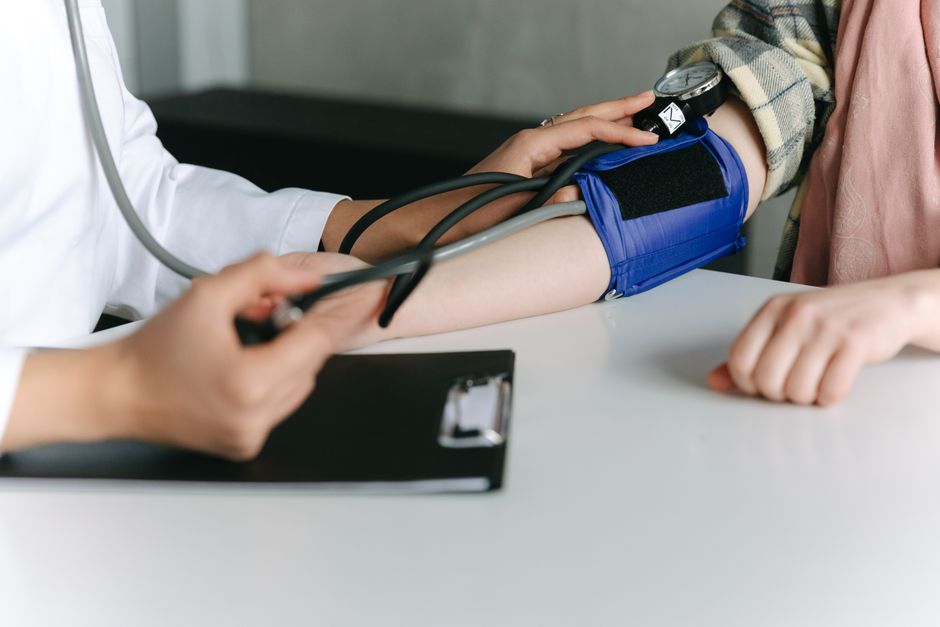
Your blood vessels are not pipes. They are living tissue that responds to how you move, what you eat, and how well you sleep. That is why the most effective way to increase blood flow is regular aerobic exercise combined with a diet rich in vegetables, fruits, whole grains, and healthy fats. Movement trains your blood vessels to relax and widen. Food supplies the raw materials your body needs to keep those vessels flexible and your blood flowing smoothly.
How Does Blood Flow Actually Work?
Blood flow is not just about the heart pumping harder. It depends on three things working together: the heart’s pumping force, the flexibility of your blood vessels, and the thickness and composition of your blood itself.
The inner lining of your blood vessels is called the endothelium. This single layer of cells produces nitric oxide, a molecule that signals the surrounding muscle in your artery walls to relax. When those muscles relax, vessels widen and blood moves more freely. This process is called vasodilation.
When the endothelium is damaged — by high blood pressure, smoking, high blood sugar, or chronic inflammation — nitric oxide production drops. Vessels stay stiffer and narrower. Blood flow decreases. This is the earliest stage of what doctors call endothelial dysfunction, and it typically develops years before any symptoms appear.
So when people ask how to increase blood flow, the real question is: how do you keep the endothelium healthy and nitric oxide production working properly?
How Does Exercise Increase Blood Flow?
Aerobic exercise is the single most studied way to improve circulation. During exercise, your muscles demand more oxygen. Your blood vessels respond by widening. Your heart pumps more blood per beat. Over time, this repeated demand trains your vascular system to work more efficiently even at rest.
Research consistently shows that regular aerobic activity improves endothelial function. The endothelium produces more nitric oxide. Arteries become more responsive. Resting blood pressure tends to decrease. These changes are measurable within weeks of starting a consistent routine.
What kind of exercise helps most? The evidence supports moderate-intensity aerobic activity — the kind where you can talk but not sing. Brisk walking, cycling, swimming, and jogging all qualify. Current federal physical activity guidelines for adults recommend at least 150 minutes of moderate-intensity aerobic activity per week, or 75 minutes of vigorous activity, plus muscle-strengthening activities on two or more days per week.
That works out to roughly 30 minutes on most days. You do not need to do it all at once. Three 10-minute walks produce similar vascular benefits to one 30-minute session.
Resistance training also helps, though through somewhat different mechanisms. It improves blood vessel function and supports healthy blood pressure. It should complement aerobic exercise, not replace it.
Does Sitting Cancel Out Exercise Benefits?
Prolonged sitting reduces blood flow in your legs. Blood pools. The endothelium in your leg arteries gets less shear stress — the friction of flowing blood that stimulates nitric oxide production. Some research suggests that long uninterrupted sitting sessions can temporarily impair vascular function, even in people who exercise regularly.
The practical takeaway: break up sitting every 30 to 60 minutes. Stand, walk to the kitchen, take the stairs. These small interruptions matter more than most people realize.
What Foods Improve Blood Circulation?
No single food fixes circulation. But consistent eating patterns do influence endothelial health, blood pressure, and blood vessel flexibility. The evidence here is strongest for overall dietary patterns, not individual “superfoods.”
Foods Rich in Nitrates
Beets, spinach, arugula, and other leafy greens contain dietary nitrates. Your body converts these to nitric oxide through a separate pathway from the one exercise uses. Some studies show that beetroot juice can lower blood pressure and improve blood flow in the short term. The effect is modest and temporary — it is not a substitute for long-term dietary habits.
Omega-3 Fatty Acids
Fatty fish like salmon, mackerel, and sardines provide omega-3 fatty acids. Evidence indicates omega-3s support blood vessel function and may modestly reduce blood pressure. The American Heart Association recommends eating fish at least twice per week. If you do not eat fish, plant sources like walnuts, flaxseed, and chia seeds provide a different type of omega-3 that the body converts less efficiently.
Polyphenol-Rich Foods
Berries, dark chocolate, citrus fruits, and olive oil contain polyphenols — plant compounds that some research suggests support nitric oxide production and reduce oxidative stress in blood vessels. The evidence is promising but not definitive. These foods are worth including as part of a balanced diet, but no single one will transform your circulation.
What to Limit
Diets high in refined sugar, trans fats, and excess sodium promote inflammation and raise blood pressure. Over time, these damage the endothelium. This is not about eliminating anything completely. It is about frequency and proportion.


How To Increase Blood Flow Diet Exercise More: What Does the Evidence Show?
Combining diet and exercise produces better results than either alone. This is one of the more consistent findings in cardiovascular research.
Exercise directly stimulates nitric oxide production through shear stress on the endothelium. Diet provides the building blocks and reduces the inflammatory and oxidative burden that damages those same cells. Together, they address blood flow from both directions.
Research on the DASH eating pattern and the Mediterranean diet shows both can lower blood pressure and improve markers of vascular health. These patterns emphasize vegetables, fruits, whole grains, lean proteins, and healthy fats while limiting processed foods, added sugars, and excess sodium.
A study published in the Journal of the American College of Cardiology found that combining a healthy diet with regular exercise was associated with significantly lower risks of cardiovascular events compared to either habit alone. The two behaviors appear to work additively.
What does this look like in practice?
- Walk briskly for 30 minutes most days of the week
- Fill half your plate with vegetables and fruits at most meals
- Choose whole grains over refined grains
- Eat fatty fish twice per week
- Use olive oil instead of butter when cooking
- Limit processed meats, sugary drinks, and salty snacks
- Stand up and move every 30 to 60 minutes during the day
None of these steps is dramatic on its own. Together, they create an environment where your blood vessels can function as they were designed to.
Do Other Lifestyle Factors Affect Circulation?
Exercise and diet get most of the attention, but several other factors directly influence blood flow.
Sleep
Poor sleep is linked to higher blood pressure and impaired endothelial function. During deep sleep, blood pressure naturally drops. When sleep is fragmented or too short, that nighttime dip does not happen. Over time, this stresses the vascular system. Most adults need seven to nine hours per night.
Stress
Chronic stress keeps cortisol and adrenaline elevated. These hormones tighten blood vessels and raise heart rate. Short-term, this is normal. Long-term, it contributes to endothelial damage. Practices like deep breathing, meditation, and regular physical activity help modulate the stress response.
Smoking
Smoking damages the endothelium directly. It reduces nitric oxide production, promotes plaque buildup, and thickens blood. Quitting is the single most impactful thing a smoker can do for circulation. Within weeks of quitting, blood vessel function begins to improve.
Hydration
Blood is about 90% water. Dehydration reduces blood volume, which makes the heart work harder to move blood through the body. Staying adequately hydrated supports normal circulation. The general recommendation is roughly 8 cups of fluid per day for most adults, though needs vary with activity level, climate, and health status.
When Should You Talk to a Doctor About Poor Circulation?
Lifestyle changes support healthy circulation, but they cannot fix everything. Some causes of poor blood flow require medical evaluation.
See a doctor if you notice persistent cold hands or feet, numbness or tingling in your limbs, swelling in your legs or ankles, skin discoloration, or wounds that heal slowly. These can signal peripheral artery disease, deep vein thrombosis, or other conditions that need diagnosis and treatment.
Chest pain, sudden weakness on one side of the body, difficulty speaking, or shortness of breath are emergencies. Call 911 immediately.
If you have diabetes, high blood pressure, or high cholesterol, these conditions affect blood vessels over time. Managing them with your doctor is part of protecting your circulation. Lifestyle changes help, but they work alongside medical care — not instead of it.
Frequently Asked Questions
How long does it take to improve blood circulation with exercise?
Some improvements in endothelial function can be measured within a few weeks of consistent aerobic exercise. Meaningful changes in resting blood pressure and long-term vascular health typically take several months of regular activity.
What is the fastest way to increase blood flow naturally?
Standing up and moving is the fastest natural way to increase blood flow — even a short walk gets blood moving in your legs within minutes. For lasting improvement, regular aerobic exercise and a plant-rich diet are the most evidence-supported approaches.
Can certain foods unclog arteries?
No food unclogs arteries. Atherosclerosis — the buildup of plaque in artery walls — cannot be reversed by diet alone. A healthy eating pattern can slow progression and reduce cardiovascular risk, but established plaque requires medical management.
Does drinking more water help blood circulation?
Staying hydrated supports normal blood volume, which helps your heart move blood efficiently. Dehydration can reduce blood volume and make circulation less efficient, but drinking extra water beyond normal hydration needs does not further improve blood flow.
