
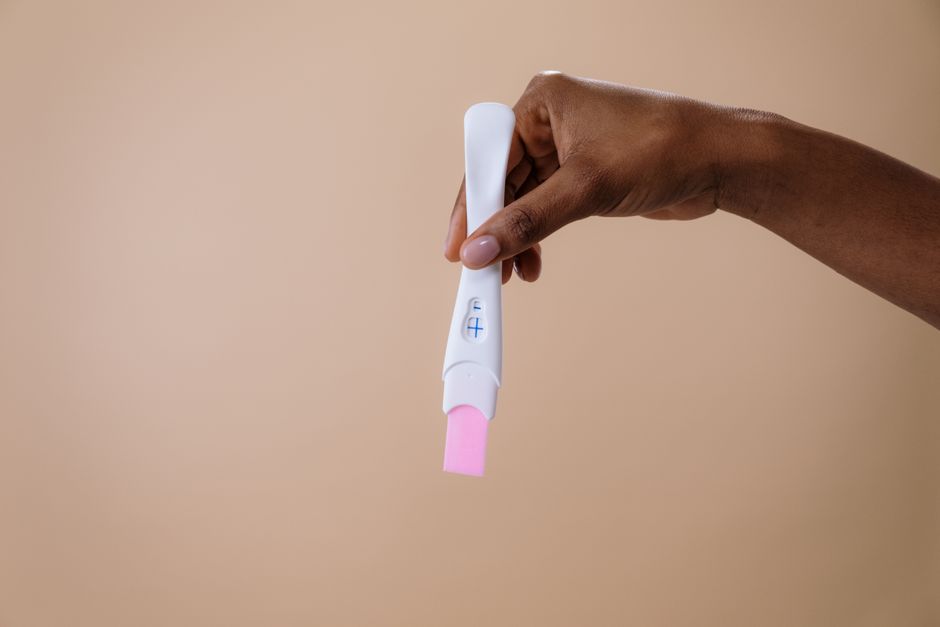
After a blastocyst transfer, the wait for a pregnancy test can feel endless. The standard timing is 9 to 14 days after the transfer, depending on your clinic’s protocol and the type of test used. Testing earlier than your clinic advises can give a false result, because a pregnancy hormone needs time to build up to a detectable level. Follow your clinic’s specific instructions rather than a general rule of thumb.
Why Does the Timing of a Pregnancy Test After Blastocyst Transfer Matter?
Timing matters because the hormone that pregnancy tests detect — human chorionic gonadotropin, or hCG — does not appear in your system the moment an embryo implants. It takes time for a developing embryo to attach to the uterine lining and begin releasing enough hCG to register on a test.
With a blastocyst transfer, the embryo is already about five days old when it is placed in the uterus. Implantation typically follows within a few days. Once implantation happens, hCG starts rising, but it needs several more days to reach a level a test can pick up.
Testing too early is the most common reason people get a negative result that later turns positive. The embryo may be implanting normally, but the hCG level is simply too low to detect yet. This is why clinics set a specific date and ask you to wait for it.
There is one important practical detail: if you used a trigger shot of hCG as part of your treatment cycle, that injected hormone can stay in your system for a while. A test taken too soon after the injection may detect the medication rather than a pregnancy. Your clinic accounts for this when setting your test date.
When To Do A Pregnancy Test After Blastocyst Transfer?
Most fertility clinics ask you to test between 9 and 14 days after a blastocyst transfer. The exact date depends on the clinic and the testing method.
A blood test, which measures the precise level of hCG, is often scheduled around 9 to 11 days after transfer. A home urine test is usually advised a little later, often around 12 to 14 days, because urine tests need a higher level of hCG to show a positive result than blood tests do.
These ranges reflect common clinical practice rather than a single universal standard. Clinics vary, and some schedule testing at slightly different points based on the patient’s history and protocol. The date your clinic gives you is the one that applies to your situation.
If you are unsure when to test, call your clinic. Do not guess based on what you read online or what worked for someone else. The timing is set for a reason.
Blood Test vs. Home Urine Test: What Is the Difference?
A blood test and a home urine test measure the same hormone but differ in sensitivity and timing. A blood test can detect lower levels of hCG and gives an exact number, which is why clinics often prefer it for the first confirmation.
A home urine test is convenient but less sensitive. It gives a yes-or-no result based on a threshold, and it may not turn positive until hCG has risen higher. This is why clinics that use urine tests usually ask patients to wait a little longer.
- Blood test: Detects lower hCG levels, provides an exact value, typically scheduled earlier.
- Urine test: Less sensitive, gives a simple positive or negative, usually advised later.
Some clinics use a blood test to confirm pregnancy and then repeat it a couple of days later to check that hCG is rising as expected. A single number tells part of the story; the trend over time tells more.





Why Can a Test Be Negative Even If You Are Pregnant?
A negative test does not always mean you are not pregnant. The most common reason is that the test was taken too early, before hCG reached a detectable level.
Implantation timing varies from person to person. Even with a blastocyst transfer, the embryo may take a little longer to implant, which pushes back when hCG becomes detectable. A test taken on the early side of the window can miss a pregnancy that is developing normally.
Test sensitivity also matters. A very dilute urine sample, such as after drinking a lot of fluids, can lower the concentration of hCG and affect the result. Following the test instructions carefully — including the time of day and how long to wait before reading the result — reduces the chance of error.
If you get a negative result before your clinic’s scheduled date, resist the urge to stop any medications. Call your clinic and follow their guidance. Some clinics will ask you to retest on the planned date regardless of an early result.
What About Testing Early With a Home Test?
Many people feel tempted to test at home before their clinic’s date. It is understandable, but testing early carries real downsides.
An early negative can cause unnecessary distress when the outcome is still unknown. It can also lead to confusion if a later test turns positive, making it harder to interpret the sequence of results.
If you do decide to test early, understand that a negative result at that point is not reliable. A positive result is more meaningful, but even then, your clinic will want to confirm with their own test and check that hCG is rising appropriately.
There is no medical harm in an early home test itself, but the emotional toll and the risk of misreading the result are real. Waiting for your clinic’s date gives you the clearest answer.
What Happens After a Positive Test?
A positive test is the first step, not the final confirmation. Your clinic will typically arrange follow-up to check that hCG is rising as expected and to schedule an early ultrasound.
An hCG level that rises appropriately over a couple of days is a reassuring sign. An ultrasound, usually performed a few weeks after a positive test, can confirm that the pregnancy is developing in the uterus.
These follow-up steps are standard in fertility care. They help confirm that the pregnancy is progressing normally and allow your care team to address any concerns early.
If you have questions about what your results mean, ask your clinic directly. They have your full history and can interpret your specific numbers in context.
What Should You Do While You Wait?
The waiting period is often the hardest part of the cycle. There is no proven way to speed up implantation or make a test turn positive sooner, so be cautious of anything that claims to.
Follow your clinic’s instructions about medications and activity. Take your prescribed medications as directed, and do not stop or change them without talking to your care team.
Rest if you need to, but there is no strong evidence that strict bed rest improves outcomes after transfer. Some clinicians advise gentle activity while others place no restrictions; follow the guidance you were given.
Try to keep the waiting period as normal as you can. Lean on people who support you, and set a reminder for your test date so you do not have to keep track of it in your head.
Frequently Asked Questions
Can I take a pregnancy test 7 days after a blastocyst transfer?
Seven days is usually too early for a reliable result, because hCG may not have reached a detectable level yet. Follow your clinic’s scheduled date instead.
Is a blood test more accurate than a home test after blastocyst transfer?
A blood test can detect lower hCG levels and gives an exact number, so clinics often use it for first confirmation. Home urine tests are less sensitive and are usually advised a little later.
Can the hCG trigger shot cause a false positive test?
Yes, an hCG trigger injection can stay in your system for a while and cause a false positive if you test too soon. Your clinic sets your test date to account for this.
Should I stop my medications if I get a negative test?
No, do not stop any medications on your own after a negative result. Call your clinic and follow their instructions.
