
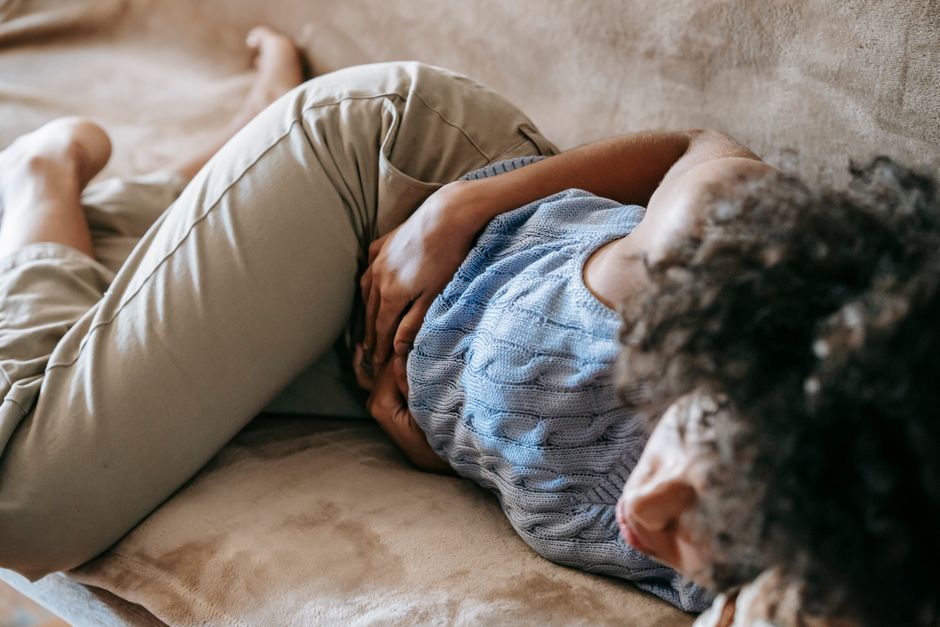
Groin pain in women is common, but it is not always harmless. You should worry when the pain is sudden and severe, comes with fever, nausea, or vomiting, or makes it impossible to put weight on the leg. Pain that spreads to the back or shoulder, or pain during pregnancy, also needs prompt medical attention. Most causes of groin pain are treatable, but a few are emergencies. Knowing which symptoms matter can help you decide when to call a doctor and when to head to urgent care.
What Causes Groin Pain in Women?
The groin area contains more than muscles. In women, it sits close to the reproductive organs, the urinary tract, and part of the digestive system. Pain in this region can come from any of these structures.
Muscle strains are a leading cause. The inner thigh muscles attach near the groin, and a sudden twist or split can strain them. Sports injuries, falls, and heavy lifting commonly cause this type of pain. It usually feels like a dull ache or sharp pull that worsens with movement.
Hip problems can also show up as groin pain. The hip joint sits deep in the groin crease. Arthritis, labral tears, and even early hip fractures can cause pain that people describe as coming from the groin rather than the hip itself.
Hernias are another possibility. A hernia happens when tissue pushes through a weak spot in the abdominal wall. In women, hernias can be harder to spot than in men because they may not create a visible bulge. The pain often worsens with coughing, straining, or standing for long periods.
Gynecologic conditions matter here too. Ovarian cysts, endometriosis, and pelvic inflammatory disease can all cause pain that radiates into the groin. So can urinary tract infections and kidney stones. The cause determines how urgent the situation is.
When Is Groin Pain an Emergency?
Some groin pain signals a medical emergency. Sudden, severe pain that comes on fast and stays intense is a red flag. So is pain accompanied by fever, chills, nausea, or vomiting.
An ovarian torsion is one emergency to know about. This happens when the ovary twists on its blood supply. The pain is typically sudden, severe, and one-sided. It may come and go as the ovary twists and untwists. Ovarian torsion cuts off blood flow and can destroy the ovary if not treated quickly. Surgery is usually needed to untwist it.
An ectopic pregnancy is another emergency. This occurs when a fertilized egg implants outside the uterus, usually in a fallopian tube. As it grows, it can cause sharp groin or pelvic pain. If the tube ruptures, it causes internal bleeding. Shoulder pain can accompany this because blood irritates the diaphragm. Any woman of reproductive age with sudden groin pain and a missed period should be evaluated for ectopic pregnancy.
A kidney stone passing through the urinary tract can cause waves of severe pain that radiate from the back into the groin. While not usually life-threatening, the pain can be intense enough to require emergency care for relief.
Appendicitis can also start with pain near the belly button that moves to the right lower abdomen and groin area. Fever, loss of appetite, and nausea often accompany it.
If you cannot bear weight on the leg, or if the leg feels numb or weak, seek emergency care. These symptoms can indicate a nerve issue, a blood clot, or a fracture.
When Should You See a Doctor Soon?
Not every case of groin pain needs the emergency room, but many deserve a prompt doctor visit. Pain that lasts more than a few days without improving should be evaluated. So should pain that interferes with daily activities like walking, sitting, or sleeping.
A bulge in the groin that becomes tender or does not go away when you lie down could be a hernia. Hernias do not heal on their own. They can sometimes become strangulated, meaning the blood supply to the trapped tissue is cut off. That requires surgery. See a doctor before it reaches that point.
Pain that worsens during your menstrual cycle, during sex, or with urination may point to a gynecologic or urinary issue. These conditions are often treatable, but they need a proper diagnosis.
If you have a fever along with groin pain, see a doctor within a day or two. Fever suggests infection. Pelvic inflammatory disease, a urinary tract infection that has spread to the kidneys, or an infected cyst can all cause fever with groin or pelvic pain.
Groin pain during pregnancy needs special attention. Round ligament pain is common and usually harmless, but it should still be reported to your obstetrician. Pain that is sudden, severe, or accompanied by bleeding, dizziness, or fever requires immediate care.




What Does the Pain Feel Like by Cause?
The quality of the pain offers clues. Sharp, stabbing pain that comes on suddenly often points to a strain, a stone, or torsion. Dull, aching pain that builds slowly may indicate arthritis, a cyst, or endometriosis.
Pain that worsens with activity and improves with rest is typical of muscle strains and early hip arthritis. Pain that worsens with coughing or straining suggests a hernia. Pain that comes in waves is classic for kidney stones.
Burning or shooting pain may mean nerve involvement. The nerves that run through the groin can become compressed or irritated, causing pain that radiates down the inner thigh.
Pain accompanied by urinary symptoms like burning, frequency, or blood in the urine points to the urinary tract. Pain accompanied by vaginal discharge, irregular bleeding, or pain during sex points to the reproductive system.
Keep in mind that these patterns overlap. A doctor will not diagnose based on pain quality alone. Imaging like ultrasound, CT scans, or MRI is often needed to confirm the cause.
How Is Groin Pain Diagnosed?
Diagnosis starts with a detailed history. Your doctor will ask when the pain started, what makes it better or worse, and whether you have other symptoms. Be specific about the location. Groin pain on the right side may point to different causes than pain on the left.
A physical exam follows. The doctor may press on the area to find tender spots, check for a bulge, and test your range of motion. They may ask you to cough or bear down to check for a hernia.
Imaging is often needed. Ultrasound is commonly the first test for gynecologic issues because it can visualize the ovaries, uterus, and surrounding structures. It is also the test of choice during pregnancy. A CT scan provides a broader view and can identify kidney stones, appendicitis, and some hernias. MRI gives the best detail of soft tissues like muscles, tendons, and the hip joint.
Urine tests can check for infection or blood. Blood tests can check for signs of infection, inflammation, or pregnancy. The combination of findings guides the diagnosis.
What Are the Treatment Options?
Treatment depends entirely on the cause. A muscle strain usually improves with rest, ice, and gentle stretching once the acute pain settles. Over-the-counter pain relievers like ibuprofen or acetaminophen can help. Most strains improve within a few weeks.
Hernias require surgical repair. The surgery is common and safe, and it can often be done laparoscopically with small incisions. Waiting too long increases the risk of complications.
Ovarian cysts often resolve on their own. Large, painful, or persistent cysts may need to be drained or removed surgically. Ovarian torsion requires emergency surgery to save the ovary.
Urinary tract infections and pelvic inflammatory disease are treated with antibiotics. Kidney stones may pass on their own with hydration and pain control, but larger stones may need procedures to break them up or remove them.
Hip arthritis is managed with physical therapy, activity modification, and pain relief. Advanced cases may eventually require joint replacement. Endometriosis is treated with hormones, pain management, or surgery depending on severity.
No single treatment works for all causes of groin pain. The right approach depends on an accurate diagnosis. Self-treating without knowing the cause can delay effective care.
When Should You Worry About Groin Pain Female: The Bottom Line
Sudden severe pain, fever, vomiting, inability to bear weight, or pain during pregnancy are reasons to seek emergency care. Pain lasting more than a few days, a tender bulge, or pain with urinary or gynecologic symptoms warrants a prompt doctor visit.
Groin pain in women is rarely something to ignore. The area is complex, and the causes range from minor muscle strains to surgical emergencies. Trust your body. If the pain feels wrong, or if it is worse than anything you have felt before, get evaluated.
When in doubt, call your doctor. Describe your symptoms clearly. They can tell you whether you need to come in, go to urgent care, or head to the emergency room. A quick phone call can save you hours of worry and, in rare cases, protect your health.
Frequently Asked Questions
What does a pulled groin muscle feel like in a woman?
A pulled groin muscle feels like a sharp or dull ache in the inner thigh near the pelvic area. It typically worsens when you move your leg, especially with activities like walking, running, or lifting the knee.
Can groin pain be a sign of something serious?
Yes, groin pain can signal ovarian torsion, an ectopic pregnancy, appendicitis, or a strangulated hernia. Sudden severe pain, fever, vomiting, or pain during pregnancy requires immediate medical evaluation.
How long should groin pain last before seeing a doctor?
See a doctor if groin pain lasts more than a few days without improving. Also seek care if the pain interferes with daily activities, walking, or sleeping, or if it is accompanied by a fever or a tender bulge.
Is groin pain during pregnancy normal?
Round ligament pain is common in pregnancy and is usually harmless, but any groin pain should be reported to your obstetrician. Sudden or severe pain, especially with bleeding, dizziness, or fever, requires immediate emergency care.
