
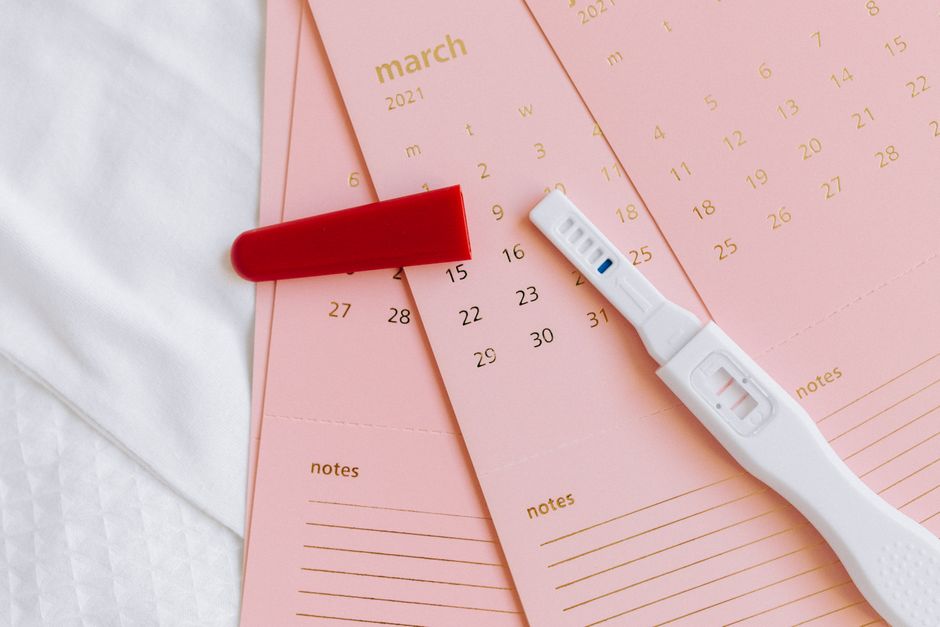
If you think you are pregnant, call your doctor or midwife now to schedule your first visit. Most clinicians want to see you between 6 and 8 weeks of pregnancy, counting from the first day of your last menstrual period. If you have pain, heavy bleeding, or a medical condition that needs monitoring, call sooner — sometimes the same day.
That timing is not arbitrary. The first visit sets up a due date, screens for problems, and starts the care that shapes the rest of the pregnancy. Waiting too long can mean missing a window when some decisions are easier to make.
How Is Pregnancy Dated, and Why Does It Matter for Scheduling?
Pregnancy is counted from the first day of your last menstrual period, not from conception. This is a convention that has been used for decades, and it exists because most people do not know the exact day they conceived.
That means when a clinician says you are 8 weeks pregnant, roughly 6 of those weeks have passed since conception. Ovulation typically happens about two weeks after the start of a period, though this varies. Cycle length, irregular periods, and recent birth control use can all shift the math.
Why does this matter for your appointment? Because the timing of every test and screening in pregnancy is tied to gestational age. An ultrasound at what you believe is 7 weeks may show a different gestational age, and the clinician will adjust your due date based on what the scan shows. Getting in early gives more room to correct the estimate if needed.
Some clinicians use an early ultrasound — usually between 7 and 13 weeks — to confirm dating. This is more accurate than dating by menstrual history alone, especially for people with irregular cycles.
When Should You Schedule Your First Pregnancy Appointment?
The standard window is 6 to 8 weeks of pregnancy. This is when many clinicians schedule the first prenatal visit for someone with an uncomplicated pregnancy and no symptoms that need urgent attention.
Some practices see patients earlier, and some see them later. There is no single national rule, and the exact timing can vary by practice, insurance, and your individual health history. What matters is that you call as soon as you know or suspect you are pregnant, so the practice can place you in the right slot.
Here is how the timing often breaks down:
- Before 6 weeks: Some practices will see you, but an ultrasound may not yet show much. If you have symptoms like bleeding or pain, call right away regardless of how early it is.
- 6 to 8 weeks: The typical first visit for an uncomplicated pregnancy. Dating ultrasound is often possible.
- 8 to 12 weeks: Still within standard care for many people. Certain screenings have specific windows, so later scheduling can narrow your options.
- After 12 weeks: Some first-trimester screening windows will have passed. Call as soon as possible so the practice can advise you.
If you are not sure how far along you are, call anyway. The practice can help you figure out the timing.
What Happens at the First Prenatal Visit?
The first visit is usually longer than later ones because it covers a lot of ground. What happens depends on how far along you are and whether it is your first pregnancy.
A typical first visit includes:
- A detailed health history, including past pregnancies, medications, and family history
- Blood pressure, weight, and other basic measurements
- Blood tests to check blood type, Rh factor, hemoglobin, and immunity to certain infections
- Urine tests
- A discussion of screening options for chromosomal conditions and genetic disorders
- An ultrasound, if the practice offers one at this stage
The conversation about screening is often the part people remember least and need most. First-trimester screening for conditions like Down syndrome typically happens between 11 and 14 weeks. If you do not get in until after that window, some of those options close.
This is one concrete reason early scheduling matters. It is not just about confirming the pregnancy. It is about keeping every option on the table.





What If You Have Symptoms That Need Attention Sooner?
Call your doctor or midwife right away — do not wait for a scheduled first visit — if you have any of the following:
- Vaginal bleeding that is heavy or getting worse
- Sharp or severe abdominal or pelvic pain
- Shoulder pain, especially with abdominal pain
- Dizziness, fainting, or a racing heartbeat
- Fever above 100.4°F (38°C)
- Severe vomiting that prevents you from keeping fluids down
- Pain or burning when you urinate
Some of these can signal an ectopic pregnancy, which is when a fertilized egg implants outside the uterus. Ectopic pregnancy is a medical emergency and cannot be treated by waiting. Others may signal a miscarriage, an infection, or another condition that needs evaluation.
If you have a chronic condition — diabetes, high blood pressure, thyroid disease, epilepsy, or a clotting disorder — call as soon as you know you are pregnant. Some medications need to be reviewed quickly, and some conditions need earlier monitoring than a standard first visit allows.
If you have had a previous miscarriage, preterm birth, or pregnancy complication, mention it when you call. The practice may want to see you earlier or arrange additional monitoring.
Does Early Scheduling Change Outcomes?
Early prenatal care is associated with better pregnancy outcomes in large population studies, but the relationship is complicated. People who seek early care also tend to have more resources, better baseline health, and fewer barriers to care — all of which independently affect outcomes.
What is clearer is that certain specific interventions have time-sensitive windows. Folic acid supplementation, for example, is most protective against neural tube defects when taken before conception and in the earliest weeks of pregnancy. Screening for chromosomal conditions has defined windows. Managing conditions like diabetes from early pregnancy reduces certain risks compared with starting management later.
So the honest framing is this: early care is not a guarantee of a good outcome, and late care does not mean a bad one. But early care keeps more options open and catches more things when they are easier to manage.
What If You Cannot Get an Appointment Right Away?
Call more than one practice if you need to. Availability varies widely, and some areas have long waits for new obstetric patients.
If you are uninsured or underinsured, options exist. Community health centers, federally qualified health centers, and Medicaid (which covers pregnancy in most states, often with higher income limits than standard Medicaid) are worth asking about. Planned Parenthood and similar clinics can also provide early pregnancy confirmation and referrals.
While you wait for your appointment, a few things are reasonable to do:
- Take a prenatal vitamin with folic acid if you are not already
- Avoid alcohol and recreational drugs
- Stop smoking if you smoke — ask for help if you need it
- Check with a pharmacist before taking any new medication, including over-the-counter drugs
Do not start or stop prescription medications on your own. Call the prescribing clinician or your obstetric practice for guidance.
Does the Timing Differ for a Subsequent Pregnancy?
Often, yes — but not always in the direction people expect. Some practices see you earlier in a subsequent pregnancy if you have a history of complications. Others may see you on a similar schedule to a first pregnancy.
If your previous pregnancy was uncomplicated, you may not need to be seen quite as early for a routine first visit. But you should still call as soon as you know you are pregnant, because your history affects the plan.
If you had gestational diabetes, preeclampsia, preterm birth, or a cesarean delivery, mention it when you call. These histories can change when screening and monitoring should start.
Frequently Asked Questions
How soon should I call after a positive pregnancy test?
Call within a few days of a positive test, even if you feel fine. Most practices will schedule you for 6 to 8 weeks of pregnancy, and calling early gives you more appointment options.
Can I wait until 12 weeks to have my first appointment?
Some people do have a first visit around 12 weeks, but waiting can mean missing first-trimester screening windows that typically close around 13 to 14 weeks. Call your practice to find out what timing works for their schedule and your situation.
What if I am not sure how far along I am?
Call anyway and tell the practice you are unsure of your dates. They can use an ultrasound or other information to estimate gestational age and schedule you appropriately.
Should I go to the emergency room instead of calling my doctor?
Go to the emergency room for heavy bleeding, severe pain, fainting, or shoulder pain with abdominal pain. For milder symptoms or general questions, call your obstetric practice first.
