
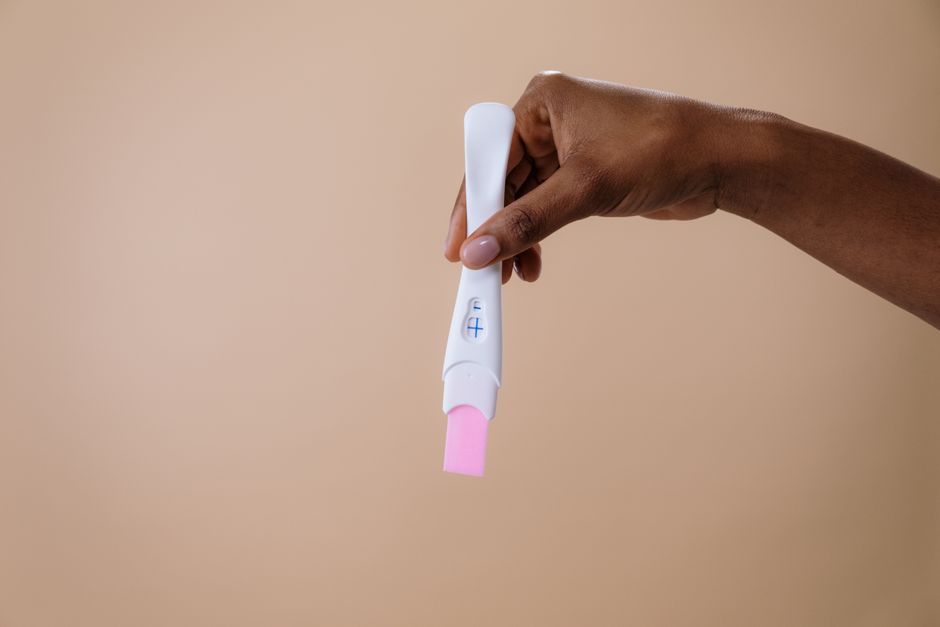
If you are paying close attention to your body, you might notice a few changes in the days before your period is due. The most common early sign is light spotting, often called implantation bleeding, which happens when a fertilized egg attaches to the uterine lining. You may also feel breast tenderness, mild cramping, or an unusual tiredness that feels different from your normal premenstrual fatigue.
These signs are real, but they are also tricky. The hormones that create early pregnancy symptoms are the same ones that cause premenstrual syndrome, or PMS. That overlap is why so many people mistake one for the other. Testing too early can also give you a false negative because the hormone pregnancy tests detect may not be high enough yet to register.
What Are The Signs Of Pregnancy Before A Missed Period?
Signs of pregnancy before a missed period are caused by rising levels of human chorionic gonadotropin (hCG) and progesterone. These hormones begin shifting almost immediately after a fertilized egg implants in the uterus, which usually happens about 6 to 12 days after ovulation.
Here are the changes most commonly reported in that window:
- Light spotting or cramping. Some people notice a small amount of pink or brown discharge, sometimes with mild cramps. This is often called implantation bleeding.
- Breast tenderness. Breasts may feel sore, heavy, or more sensitive than usual. The discomfort can be stronger than what you feel before a normal period.
- Fatigue. A deep tiredness that does not improve much with rest is a frequent early complaint.
- Nausea. Feeling queasy can start before a missed period for some people, though it more often begins a week or two later.
- Frequent urination. Getting up more often at night can be an early change.
- Food aversions or a metallic taste. Some people suddenly dislike smells or foods they normally enjoy.
None of these signs are unique to pregnancy. Each one can also be caused by PMS, stress, illness, or a change in sleep. That is the central problem with trying to diagnose pregnancy from symptoms alone.
Why Are Early Pregnancy Symptoms So Hard To Tell Apart From PMS?
Early pregnancy symptoms and PMS symptoms are hard to separate because progesterone drives both. After ovulation, progesterone rises in every menstrual cycle, whether or not pregnancy occurs. It causes breast tenderness, bloating, mood shifts, and fatigue. If a fertilized egg implants, progesterone stays high instead of falling, and hCG joins in.
The symptoms look similar because the underlying hormone is similar. The main difference is timing and persistence. PMS symptoms usually ease once bleeding starts. Early pregnancy symptoms tend to continue and often intensify.
This is where many people get stuck. A woman who feels crampy and emotional four days before her period has no reliable way to know from those feelings alone whether she is pregnant. The symptoms genuinely overlap.
What Is Implantation Bleeding And How Is It Different From A Period?
Implantation bleeding is light spotting that can occur when a fertilized egg burrows into the lining of the uterus. It is generally much lighter than a period, often just a few drops or a faint pink or brown streak on toilet paper. It usually lasts a short time, from a few hours to a couple of days.
A period is different in several ways:
- Flow. A period builds to a steady flow and typically requires a pad or tampon. Implantation bleeding usually does not.
- Color. Implantation spotting is often pink or brown. Period blood starts red and can darken.
- Duration. A period usually lasts several days. Implantation bleeding is brief.
- Timing. Implantation bleeding tends to happen a bit earlier than when a period would be due.
Not everyone who is pregnant experiences implantation bleeding. Many people have no spotting at all. And plenty of light spotting before a period turns out to be nothing more than a normal cycle variation. So spotting is a clue, not proof.





When Can A Pregnancy Test Detect Pregnancy?
A pregnancy test detects hCG in urine. The hormone becomes detectable only after implantation, and levels rise over the following days. Testing too soon is the single most common reason for a false negative.
Most home pregnancy tests are designed to be used on the first day of a missed period. Some tests claim they can detect pregnancy a few days earlier, but the earlier you test, the higher the chance of a false negative. If you test early and get a negative result, waiting a few days and testing again is the standard approach.
For the most reliable result, test first thing in the morning, when urine is most concentrated. If you have an urgent reason to know sooner, a healthcare provider can order a blood test, which can detect hCG earlier than a urine test.
Which Symptoms Are Not Reliable Signs Of Early Pregnancy?
Many symptoms people attribute to early pregnancy are not reliable signs at all. This matters because acting on a false signal can lead to unnecessary worry or missed information.
Commonly overinterpreted signs include:
- Mood swings. These happen with PMS and with everyday stress. They are not a dependable pregnancy sign.
- Bloating. Bloating is common before a period and is not specific to pregnancy.
- Headaches. Headaches can have dozens of causes and are not a reliable early sign.
- Food cravings. Cravings are often reported in pregnancy, but they are not a reliable early indicator on their own.
- Feeling “different.” A general sense that something has changed is common but not diagnostic.
There is also a persistent myth that a woman can reliably sense conception or implantation. No clinical evidence confirms this. The body does not send a clear, unmistakable signal that early.
What Should You Do If You Notice These Signs?
If you notice possible early signs, the most useful step is to wait and test rather than to keep reading symptom lists. Track the date of your last period and when you expect your next one. If your period is late, take a home pregnancy test.
A few practical points:
- Wait until the first day of a missed period for the most accurate urine test result.
- If the first test is negative and your period still does not come, test again a few days later.
- See a healthcare provider if you have a positive test, severe pain, heavy bleeding, or symptoms that worry you.
- If you are trying to conceive, avoid alcohol and talk with a provider about folic acid, which is recommended before and during early pregnancy.
If you are not trying to conceive and are unsure, a test is still the clearest answer. Symptoms alone cannot tell you whether you are pregnant, no matter how closely you pay attention.
Can You Have No Symptoms And Still Be Pregnant?
Yes. Many people have no noticeable symptoms before a missed period and still turn out to be pregnant. Early hormone shifts do not produce obvious signs in everyone.
The absence of symptoms is not evidence that you are not pregnant. Likewise, having several symptoms is not evidence that you are. This is why testing, not symptom-spotting, is the reliable path to an answer. Symptoms can inform your suspicion, but they cannot confirm or rule out pregnancy.
Frequently Asked Questions
Can I feel pregnancy symptoms 3 days after ovulation?
It is unlikely, because implantation usually does not occur until about 6 to 12 days after ovulation. Symptoms before implantation would not be caused by pregnancy hormones.
How soon can I take a pregnancy test?
For the most accurate result, wait until the first day of your missed period. Testing earlier raises the chance of a false negative because hCG may not be high enough to detect.
Is implantation bleeding heavy like a period?
No, implantation bleeding is typically very light, often just spotting that is pink or brown. A period usually builds to a steady flow and lasts several days.
Can I be pregnant with no symptoms at all?
Yes, it is possible to have no noticeable symptoms before a missed period and still be pregnant. A pregnancy test is the only reliable way to know.
