
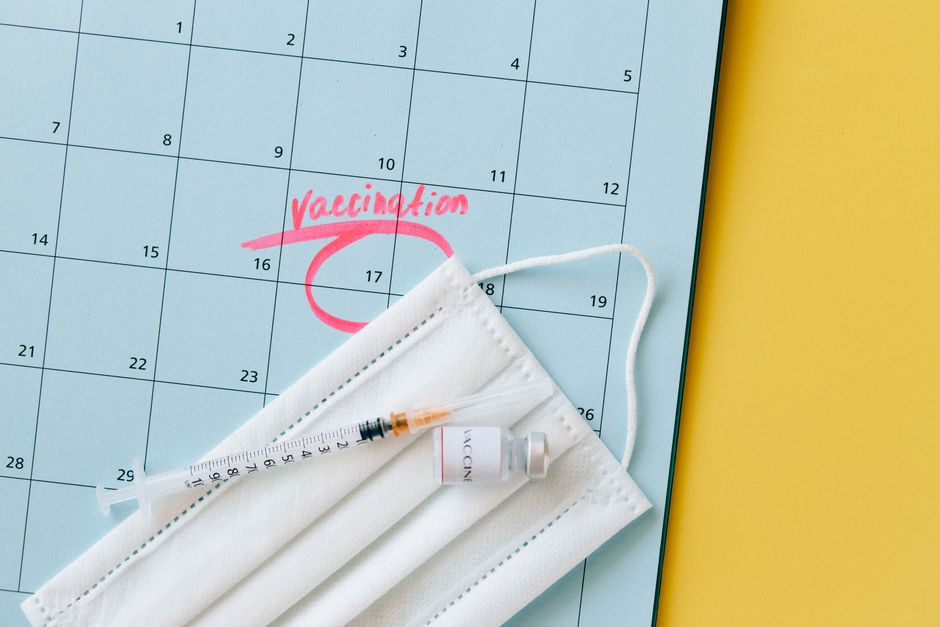
Timing your COVID-19 vaccine comes down to two things: your personal risk and what is happening with the virus in your community. For most people, the best time is before virus levels rise in your area, not in the middle of a surge. If you are planning around a specific season, early fall is a reasonable target because it puts protection in place before the usual winter increase in respiratory illness.
COVID-19 has not settled into a perfectly predictable pattern the way flu has. It still moves in waves, and those waves do not always arrive on schedule. That makes “the best time” less of a fixed date and more of a decision about your own circumstances. The sections below explain how to think it through.
When Is The Best Time To Get Your Covid Vaccine?
The best time is generally a few weeks before you expect your risk to go up. That usually means early to mid-fall for people who plan a yearly update. Protection builds over roughly two weeks after vaccination, so getting the shot before a wave arrives matters more than getting it on any particular calendar date.
There is no single correct month that applies to everyone. Someone with a weakened immune system, or who lives with a high-risk person, may reasonably choose a different timing than a healthy 40-year-old with no special risk factors. The goal is to have protection in place when exposure is most likely.
One point that gets lost in the timing debate: the vaccine does not need to match a “season” the way a flu shot does. COVID-19 circulates year-round at some level. Timing is about stacking protection ahead of higher-risk periods, not about hitting a narrow window.
How Long Does It Take For The Vaccine To Work?
Protection begins to build within days and is generally considered to be in place about two weeks after vaccination. That is the practical reason timing matters. A shot given the day before a big gathering or a trip does not offer full protection for that event.
The immune response is not instant. Your body needs time to recognize the spike protein the vaccine delivers, produce antibodies against it, and train immune cells to respond. This is normal and expected. The two-week figure is a general guide, not a guarantee, and protection continues to mature beyond that window.
This same two-week principle applies whether you are getting a first series or an updated dose. Plan around it if you have a specific event, travel, or high-exposure period coming up.
Should You Time Your Vaccine Around A Surge?
Getting vaccinated before a surge is better than getting it during one. By the time case counts are clearly rising, a wave is often already underway, and the two-week build-up means you may be exposed before protection is fully in place.
Waiting for a surge is a common instinct, and it usually backfires. Case tracking lags behind actual spread. What looks like the start of a wave on a dashboard is often the middle of one in reality. Trying to time a shot to the exact peak is not realistic for most people.
A more reliable approach is to watch for the usual seasonal patterns and get ahead of them. In the United States, respiratory virus activity tends to increase in the colder months, which is why fall timing is common. But COVID-19 has produced summer waves as well, so there is no rule that holds every year.



What If You Recently Had Covid-19?
If you recently had COVID-19, you can generally wait a short period before getting vaccinated. Current public health guidance has allowed for delaying vaccination for a few months after infection, since recent infection provides some temporary protection.
That said, this is a general guide, not a hard rule. The protection from infection fades over time, and the exact interval that makes sense depends on your risk level and how much virus is circulating. If you are in a high-risk group, talk with your clinician about the right interval for you rather than assuming a fixed wait.
Some people wonder whether they should skip the vaccine entirely after an infection. That is not recommended. Infection and vaccination both contribute to immunity, and vaccination remains the more controlled and consistent way to build protection.
Does Timing Matter More For Some People?
Timing matters most for people at higher risk of severe illness. That includes older adults, people with certain chronic conditions, and people with weakened immune systems. For these groups, staying current with recommended doses and getting ahead of high-risk periods is more consequential.
People with weakened immune systems may need additional doses or a different schedule. This is not a decision to make alone. The number and timing of doses for immunocompromised people has been addressed in specific clinical guidance, and it can differ from the schedule for the general population.
For healthy adults without special risk factors, the timing question is less urgent. Getting an updated dose when it becomes available is reasonable, and the exact date matters less than staying reasonably current.
How Often Should You Get An Updated Covid Vaccine?
Updated COVID-19 vaccines have generally been recommended on an annual basis for most people, similar in spirit to the flu shot. The goal is to refresh protection against newer variants and to counter the natural decline in immunity over time.
The virus changes, and so do the vaccines. Updated formulations are adjusted to better match circulating variants. This is why an annual update is often recommended rather than relying on protection from a dose given years earlier.
Recommendations can shift as the virus evolves and as evidence accumulates. If you are unsure whether you are due for a dose, checking current public health guidance or asking a clinician is more reliable than going by memory of what was recommended in a previous year.
Can You Get The Covid And Flu Vaccines At The Same Time?
Yes. COVID-19 and flu vaccines can be given during the same visit. This has been evaluated and is considered acceptable, and it is convenient for people who want to get ahead of the winter respiratory season in one appointment.
Getting both at once may mean you notice more side effects, such as soreness or fatigue, but the vaccines do not interfere with each other’s ability to produce an immune response. If you prefer to space them out, that is also reasonable.
For many people, the practical answer to timing is simple: when the updated vaccine becomes available in early fall, get it, and pair it with a flu shot if you are due for one. That puts protection in place before the colder months, when respiratory viruses tend to spread more.
Frequently Asked Questions
What is the best month to get the COVID vaccine?
Early to mid-fall is a common target because it puts protection in place before the usual winter rise in respiratory illness. There is no single correct month, and the right timing depends on your personal risk and local virus levels.
How long after the COVID vaccine are you protected?
Protection begins to build within days and is generally considered in place about two weeks after vaccination. Protection then declines gradually over months, which is why updated doses are recommended periodically.
Should I wait to get the COVID vaccine if cases are low?
Waiting until cases are clearly rising often means getting the shot too late, since protection takes about two weeks to build. Getting vaccinated before a wave arrives is generally better than during one.
Can I get the COVID vaccine if I just had COVID?
You can generally wait a few months after infection before getting vaccinated, since recent infection offers some temporary protection. People at higher risk should ask a clinician about the right interval for their situation.
