
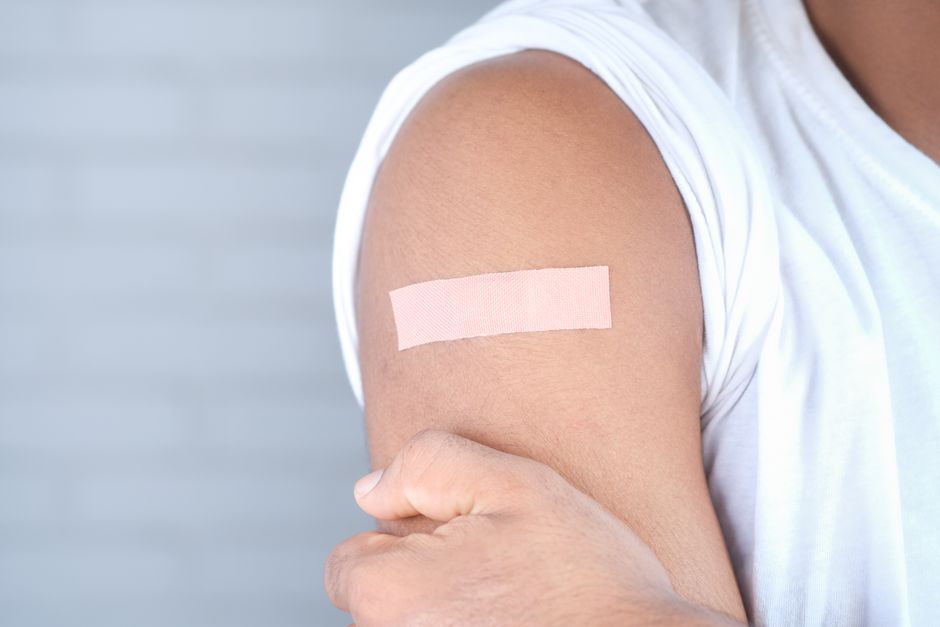
A live attenuated vaccine uses a weakened version of a live germ to teach your immune system how to fight it. These vaccines create a strong and long-lasting defense, often with just one or two doses. The trade-off is a small risk of mild symptoms or, in very rare cases, serious side effects in people with severely weakened immune systems.
How Does a Live Attenuated Vaccine Work?
Think of it like a training exercise for your immune system. Scientists take the actual virus or bacteria that causes a disease and weaken it in a lab. This process, called attenuation, makes the germ harmless enough that it cannot cause the disease in a healthy person. But it is still alive, so your body sees it as a real threat.
Your immune system responds by creating antibodies and memory cells. These cells remember the germ for years, sometimes for life. The next time you encounter the real disease, your body recognizes it immediately and fights it off. This is why live attenuated vaccines often provide protection that lasts much longer than other vaccine types.
Common Live Attenuated Vaccines
You have likely received several live attenuated vaccines already. The measles, mumps, and rubella (MMR) vaccine is one of the most well-known. The chickenpox (varicella) vaccine, the nasal spray flu vaccine (FluMist), and the rotavirus vaccine given to infants are also live attenuated. The yellow fever vaccine and the oral typhoid vaccine fall into this category as well.
The tuberculosis vaccine called BCG is live attenuated in some countries but is not routinely used in the United States. Each of these vaccines contains a version of the germ that has been weakened enough to be safe for most people.
What Is A Live Attenuated Vaccine Effects And Risks?
The effects are generally positive and well-documented. The main effect is strong immunity. Research consistently shows that live attenuated vaccines produce a more complete immune response than inactivated vaccines. This means your body builds defenses against multiple parts of the germ, not just one piece of it.
The risks are real but small. The most common side effects are mild and temporary. You might develop a low-grade fever, feel tired, or have soreness at the injection site. Some people get a mild rash that looks like a very light version of the disease. These symptoms show that your immune system is working. They usually go away within a few days.
Serious risks are rare. The weakened germ can, in extremely rare cases, cause a mild form of the disease in a healthy person. For example, the oral polio vaccine (no longer used in the US) could, in about 1 in 2.4 million doses, cause vaccine-derived polio. This is why the US switched to the inactivated polio vaccine. For most live vaccines used today, the chance of a serious reaction is well below 1 in a million doses.




Who Should Not Get a Live Attenuated Vaccine?
Because the vaccine contains a live germ, it is not safe for everyone. People with severely weakened immune systems should not receive these vaccines. This includes people undergoing chemotherapy, organ transplant recipients, people with advanced HIV, and those taking high-dose steroids.
Pregnant women are also advised to avoid live attenuated vaccines. The theoretical risk is that the weakened germ could harm the developing baby. For most live vaccines, the actual risk is unknown because pregnant women are not included in vaccine trials. The MMR vaccine is one exception where studies have not found harm, but guidelines still recommend waiting until after pregnancy.
If you have had a severe allergic reaction to a previous dose or to any component of the vaccine, you should not receive it again. Always tell your doctor about your full medical history before getting any vaccine.
How Do Side Effects Compare to Other Vaccines?
Live attenuated vaccines tend to cause more mild side effects than inactivated vaccines. This is because your body is responding to a living germ, which triggers a stronger immune reaction. The trade-off is that you need fewer doses for long-term protection.
| Vaccine Type | Common Mild Side Effects | Doses Needed |
|---|---|---|
| Live Attenuated (MMR) | Fever, mild rash, swollen glands | 2 doses |
| Inactivated (Flu shot) | Sore arm, fatigue, headache | Annual |
| mRNA (COVID-19) | Fever, chills, fatigue, sore arm | 2-3 doses plus boosters |
| Subunit (Shingrix) | Pain, redness, swelling at site; fatigue, muscle pain | 2 doses |
Notice that live vaccines generally need fewer doses. The MMR vaccine requires two doses for full protection, while the flu vaccine is needed every year. The stronger immune response from a live vaccine is why one or two doses can protect you for decades.
Can a Live Attenuated Vaccine Cause the Disease It Is Meant to Prevent?
In healthy people, the answer is almost always no. The weakened germ is too weak to cause the actual disease. However, in people with severely weakened immune systems, the germ can sometimes multiply enough to cause a mild case. This is why screening is so important before giving these vaccines.
There is a very rare condition called vaccine-associated paralytic poliomyelitis (VAPP) that occurred with the oral polio vaccine. This happened in about 1 in 2.4 million doses. The risk was highest for people with undiagnosed immune deficiencies. This is why the US and many other countries stopped using the oral polio vaccine and now use the injected inactivated version.
For most live vaccines used today, including MMR and chickenpox, the risk of causing the disease is essentially zero in healthy people. The weakened viruses are designed to replicate just enough to trigger immunity but not enough to cause illness.
How Long Does Protection Last?
Protection from live attenuated vaccines is generally long-lasting. The MMR vaccine provides immunity that lasts for decades. Studies show that people vaccinated as children still have protective antibodies 20 to 30 years later. Some live vaccines, like the yellow fever vaccine, are considered to provide lifetime protection after a single dose.
The chickenpox vaccine provides good protection, but immunity can wane over time. This is why some people who were vaccinated as children can still get a mild case of chickenpox as adults. The rotavirus vaccine protects infants through the first few years of life when the disease is most dangerous. Booster doses are not typically needed for most live vaccines, unlike the annual flu shot.
What Happens If You Get a Live Vaccine While Immunocompromised?
This is the most serious risk associated with live attenuated vaccines. If a person with a severely weakened immune system receives a live vaccine, the weakened germ can multiply unchecked. This can lead to a widespread infection that looks like the actual disease.
For example, giving the MMR vaccine to someone with advanced HIV can cause measles pneumonia. Giving the rotavirus vaccine to an infant with severe combined immunodeficiency (SCID) can cause severe diarrhea and dehydration. These complications are very rare because doctors screen for immune problems before giving these vaccines. The risk is real but almost entirely preventable with proper screening.
Do Live Attenuated Vaccines Shed to Other People?
Shedding means the vaccine virus leaves the vaccinated person’s body and can infect someone else. This does happen with some live vaccines, but it is rarely a problem. The rotavirus vaccine is shed in stool for about two weeks after vaccination. This is why careful handwashing is important after changing a vaccinated baby’s diaper.
The nasal spray flu vaccine is shed in small amounts from the nose for a few days. The MMR vaccine does not shed in a way that infects others. The chickenpox vaccine can cause a mild rash that contains the vaccine virus, and this rash can theoretically spread to others. However, the virus is so weakened that it rarely causes symptoms in healthy people. The main concern is for immunocompromised household members, who should avoid close contact with someone who develops a rash after the chickenpox vaccine.
Frequently Asked Questions
Can I get a live vaccine if I have a cold?
Yes, a mild cold with no fever is not a reason to delay most live vaccines. If you have a moderate or severe illness with a fever, your doctor may recommend waiting until you recover.
Do live attenuated vaccines contain thimerosal?
No, live attenuated vaccines do not contain thimerosal as a preservative. Thimerosal is used in some inactivated vaccines but is not needed in live vaccines because they are typically packaged in single-dose vials.
Can adults get live attenuated vaccines?
Yes, adults can and should receive certain live vaccines. The MMR vaccine is recommended for adults born after 1957 who have not been vaccinated. The chickenpox vaccine is for adults who have never had the disease. The yellow fever vaccine is required for travel to certain countries.
Is the flu shot a live attenuated vaccine?
The injectable flu shot is not a live vaccine. The nasal spray flu vaccine (FluMist) is a live attenuated vaccine. The injectable version contains killed virus and cannot cause the flu.
