
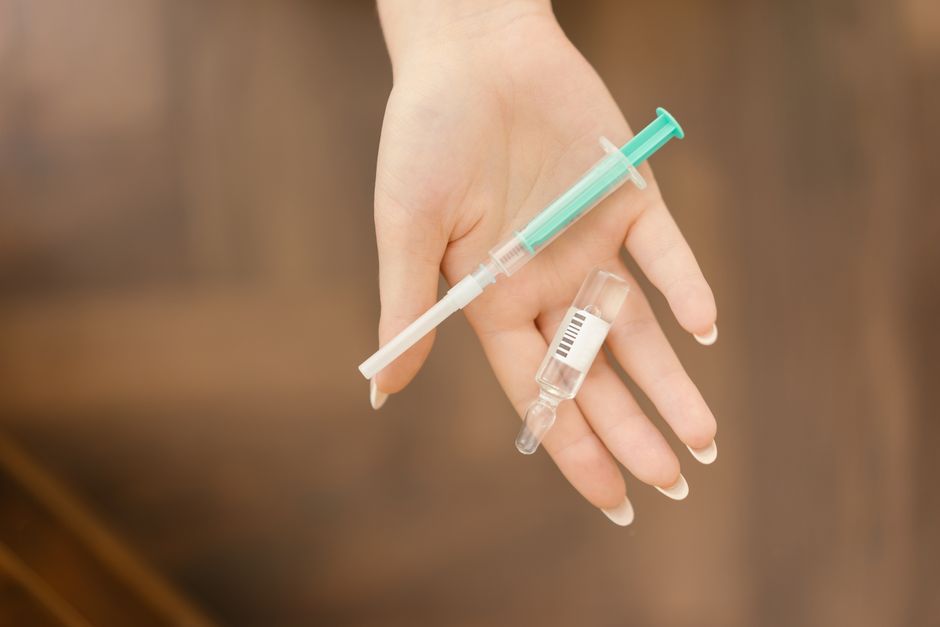
An inactivated vaccine uses a killed version of a germ to teach your immune system how to fight it. The virus or bacteria is grown in a lab and then treated with heat or chemicals like formaldehyde to destroy its ability to cause disease. Your body sees the dead germ, builds defenses against it, and remembers how to attack the real thing if you ever get exposed.
These vaccines have been around for over a century. The first one, for typhoid fever, came out in 1896. They are a proven technology — not new or experimental. They work differently from live vaccines, which use a weakened but still living germ. Inactivated vaccines cannot cause the disease they protect against because the germ inside them is dead.
How Are Inactivated Vaccines Made?
Manufacturers start by growing large amounts of the target virus or bacteria in a controlled environment. For viruses, they often use chicken eggs or lab-grown human cells. For bacteria, they use nutrient-rich liquids in stainless steel tanks.
Once enough germs exist, the inactivation step begins. The most common method is adding a chemical called formaldehyde or beta-propiolactone. These chemicals bind to the germ’s genetic material and proteins, permanently stopping it from replicating. Heat or radiation can also work. The process is carefully monitored to make sure every single germ is dead.
After inactivation, the killed germs are purified and mixed with other ingredients. These include stabilizers to keep the vaccine effective during storage and sometimes an adjuvant — a substance that boosts the immune response. The final product goes through rigorous quality testing before it reaches a doctor’s office.
What Is An Inactivated Vaccine And How Does It Work Inside the Body?
When you get an inactivated vaccine shot, the dead germs enter your muscle or skin tissue. Your immune system immediately recognizes them as foreign. Special cells called antigen-presenting cells grab pieces of the dead germ and carry them to your lymph nodes.
In the lymph nodes, these cells show the germ fragments to T-cells and B-cells. T-cells help coordinate the attack. B-cells start producing antibodies — proteins that stick to the germ and mark it for destruction. Some B-cells become memory cells that stay in your body for years.
Because the germ is dead, it cannot multiply inside you. This means you need more than one dose to build strong protection. The first dose primes your immune system. The second and sometimes third doses boost antibody levels high enough to be effective. This is why most inactivated vaccines require a series of shots.
Your immune response to an inactivated vaccine is narrower than what you get from a live vaccine. Live vaccines trigger both antibody and cellular immunity more broadly. Inactivated vaccines mainly trigger antibody production. This is still enough to prevent disease in most people, but it explains why booster shots are often needed.
Which Diseases Do Inactivated Vaccines Protect Against?
Many common vaccines are inactivated. The flu shot given by injection is an inactivated vaccine. The polio shot used in the United States since 2000 is inactivated. The hepatitis A vaccine, the rabies vaccine, and most versions of the whooping cough vaccine are all inactivated as well.
The table below shows some widely used inactivated vaccines and how many doses they typically require.
| Vaccine | Disease | Usual Doses |
|---|---|---|
| IPV | Polio | 4 |
| Hepatitis A | Liver infection | 2 |
| Rabies | Rabies | 3 to 5 |
| Inactivated flu | Seasonal influenza | 1 annually |
| DTaP | Diphtheria, tetanus, whooping cough | 5 |
Some diseases have both inactivated and live vaccine options. Polio is a good example. The oral polio vaccine is live and weakened. The injected polio vaccine is inactivated. The United States uses only the inactivated version because it cannot cause vaccine-derived polio, a rare risk with the live oral version.




What Are the Side Effects of Inactivated Vaccines?
Inactivated vaccines are very safe for most people. The most common side effects are local and mild. You might feel soreness, redness, or swelling at the injection site. Some people get a low fever, feel tired, or have a headache for a day or two. These symptoms mean your immune system is responding.
Serious side effects are rare. Severe allergic reactions happen in about 1 to 2 per million doses, according to the CDC. Guillain-Barré syndrome, a nerve condition, has been linked to some inactivated vaccines but at extremely low rates — roughly 1 to 2 cases per million flu shots.
- Pain at the injection site — affects about 1 in 4 people
- Fatigue or mild fever — affects about 1 in 10 people
- Headache or muscle aches — affects about 1 in 20 people
- Severe allergic reaction — affects about 1 in 1 million people
Because the germ is dead, inactivated vaccines cannot cause the disease they protect against. This makes them a good option for people with weakened immune systems. Live vaccines are usually avoided in people on chemotherapy or with conditions like HIV. Inactivated vaccines do not carry that same risk.
Why Do Some Inactivated Vaccines Need Boosters?
Your immune response to a dead germ fades over time. Without the germ multiplying, your body gets fewer chances to practice making antibodies. Antibody levels drop gradually after each dose. A booster shot reminds your immune system to ramp up production again.
Research published in the New England Journal of Medicine shows that antibody levels after inactivated polio vaccine remain high for at least 10 years after the full series. For tetanus and diphtheria, protection lasts about 10 years, which is why adults are advised to get a Td booster every decade.
Some inactivated vaccines require boosters more often. The flu vaccine changes every year because the circulating virus mutates. Your antibodies from last year’s shot may not recognize this year’s strain. Annual flu shots are not really boosters — they are reformulated vaccines for a different virus.
Adjuvants help extend protection. An adjuvant is an extra ingredient added to some inactivated vaccines to create a stronger immune response. The most common adjuvant is aluminum salt, which has been used in vaccines for over 80 years. Adjuvants allow manufacturers to use less antigen per dose while still getting good protection.
Common Misconceptions About Inactivated Vaccines
Some people worry that inactivated vaccines contain toxic levels of chemicals. Formaldehyde is used in the manufacturing process, but the amount left in the final vaccine is tiny. Your body naturally produces more formaldehyde than what you get from any vaccine. The CDC confirms the levels are well below safety limits.
Another myth is that inactivated vaccines overload your immune system. A single vaccine contains far fewer antigens than what your immune system handles daily from food, air, and bacteria on your skin. The American Academy of Pediatrics states that a healthy infant’s immune system can handle multiple vaccines at once without issue.
Some people believe that natural infection gives better immunity than vaccination. This is true for some diseases — measles infection gives lifelong immunity while the vaccine may wane. But natural infection also carries serious risks. Polio can cause permanent paralysis. Hepatitis A can cause liver failure. Inactivated vaccines give you the protection without the disease.
There is also confusion about whether inactivated vaccines contain mercury. Thimerosal, a mercury-based preservative, was removed from most childhood vaccines in the United States starting in 1999. Some multi-dose flu shot vials still contain trace amounts, but single-dose vials and nasal sprays do not. Multiple studies have found no link between thimerosal in vaccines and health problems.
Frequently Asked Questions
Can an inactivated vaccine give me the disease it protects against?
No. The germ in the vaccine is dead and cannot replicate or cause illness. Your body may have mild symptoms like a low fever, but that is a normal immune response, not the disease.
How long does protection from an inactivated vaccine last?
It varies by vaccine. Some last 10 years or more, like tetanus. Others like the flu shot need annual updates because the virus changes. Most require a series of doses to build lasting protection.
Are inactivated vaccines safe for pregnant women?
Yes, many are recommended during pregnancy. The CDC advises pregnant women to get the inactivated flu shot and the Tdap vaccine to protect both mother and baby. Live vaccines are usually avoided during pregnancy, but inactivated ones are considered safe.
Why do I need multiple doses of some inactivated vaccines?
The first dose primes your immune system, but antibody levels may not be high enough to block infection. Additional doses boost those levels and help create long-lasting memory cells. This is normal and expected with inactivated vaccines.
