
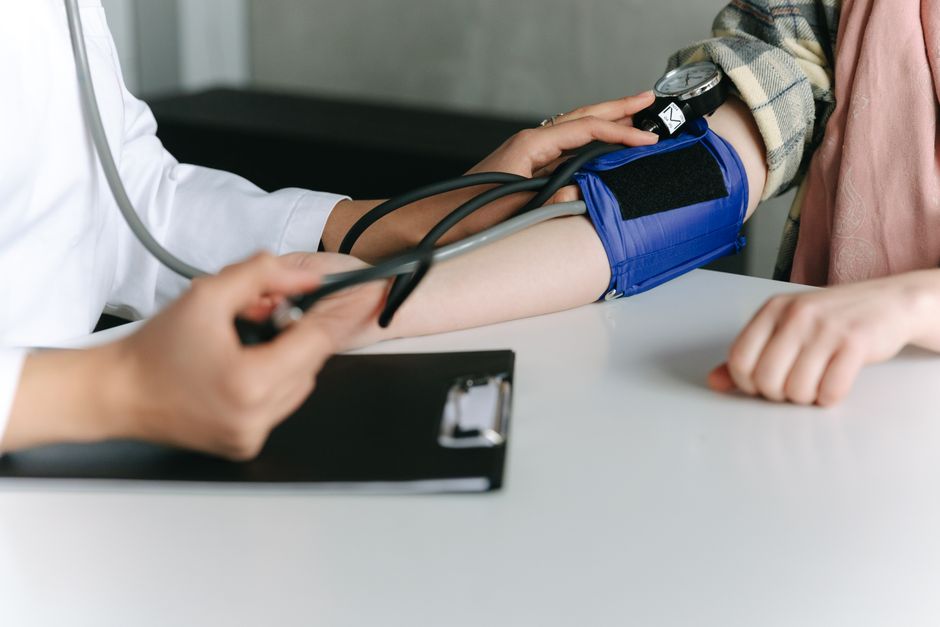
Blood pressure that reads 90/60 mmHg or lower is generally considered low. For some people, that number is completely normal and causes no problems at all. For others, it can signal an underlying condition or cause symptoms serious enough to need medical attention.
The key difference is not the number itself. It is whether low blood pressure is causing symptoms or pointing to a health problem. A reading of 85/55 mmHg in a healthy young athlete may be perfectly fine. The same reading in an older adult taking multiple medications could be a warning sign.
When Is Low Blood Pressure Too Low?
Low blood pressure is too low when it causes symptoms or when your body cannot compensate for it. There is no single cutoff number that applies to everyone.
Medical guidelines generally define low blood pressure as below 90/60 mmHg. But this threshold is a reference point, not a diagnosis. What matters more is how your body responds to that pressure. Blood pressure is the force your blood exerts against artery walls. When that force drops too low, your brain and vital organs may not receive enough blood flow.
Some people naturally run low. Their bodies have adapted to it. Their hearts, brains, and other organs function normally at pressures that would make another person dizzy or faint. This is called chronic low blood pressure without symptoms, and it typically does not require treatment.
The situation changes when low blood pressure develops suddenly, worsens over time, or appears alongside symptoms. That is when it becomes a clinical concern.
What Are the Symptoms of Low Blood Pressure?
Symptoms are the most reliable indicator that low blood pressure needs attention. Without symptoms, the numbers alone often mean little.
Common symptoms include:
- Dizziness or lightheadedness, especially when standing up
- Fainting or near-fainting
- Blurred or fading vision
- Fatigue or weakness
- Difficulty concentrating
- Nausea
- Cold, clammy, or pale skin
- Rapid or shallow breathing
These symptoms happen because blood is not reaching the brain or other organs at a normal rate. The brain is especially sensitive to reduced blood flow. Even a brief drop can cause vision changes, confusion, or loss of consciousness.
Some symptoms point to a more urgent problem. Chest pain, severe shortness of breath, or a rapid weak pulse alongside very low blood pressure may indicate shock. Shock is a medical emergency. It happens when organs are not getting enough blood and oxygen to function. Call emergency services if someone has these signs.
What Causes Low Blood Pressure?
Causes fall into several broad categories. Identifying the cause is often more important than treating the number itself.
Dehydration reduces blood volume. Less fluid in your vessels means lower pressure. This can happen from not drinking enough water, vomiting, diarrhea, or fever.
Medications are one of the most common causes. Drugs for high blood pressure, heart conditions, depression, Parkinson’s disease, and erectile dysfunction can all lower blood pressure. Sometimes the combination of several medications creates a cumulative effect.
Heart problems can reduce blood pressure. Conditions that slow the heart rate, weaken the heart muscle, or affect heart valves can all play a role. If the heart cannot pump enough blood, pressure drops.
Endocrine disorders affect blood pressure regulation. Thyroid problems, adrenal insufficiency, and low blood sugar can all contribute.
Blood loss from injury or internal bleeding reduces blood volume and pressure quickly. This is a serious cause that needs immediate care.
Severe infection can cause blood pressure to fall dangerously low. This is called septic shock and is life-threatening.
Nutritional deficiencies sometimes play a role. Low levels of vitamin B12 and folate can lead to anemia, which reduces the blood’s ability to carry oxygen and may lower blood pressure.
Pregnancy commonly causes lower blood pressure because the circulatory system expands. This is usually normal and resolves after delivery. However, a sudden drop in blood pressure during pregnancy should always be evaluated by a doctor.

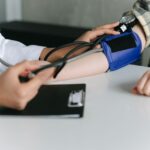
Types of Low Blood Pressure and What Triggers Them
Doctors classify low blood pressure by when it happens and what triggers it. The type often points to the underlying cause.
Orthostatic hypotension happens when you stand up from sitting or lying down. Blood pools in your legs, and your body must quickly adjust. If that adjustment is too slow, pressure drops and you feel dizzy. It can last just a few seconds or several minutes. This type becomes more common with age. It is also associated with dehydration, certain medications, and nervous system conditions.
Postprandial hypotension occurs after eating. Blood flows to the digestive system, and the heart rate and blood vessels must compensate. In some people, especially older adults, this compensation is inadequate. Symptoms typically appear 30 to 75 minutes after a meal.
Neurally mediated hypotension happens after standing for a long time. The brain and heart miscommunicate, causing blood pressure to drop. It is more common in younger people.
Severe hypotension is a sudden, dangerous drop. It is almost always tied to a medical emergency like shock, severe allergic reaction, or major blood loss.
How Is Low Blood Pressure Evaluated?
Evaluation starts with measuring blood pressure properly. A single reading is rarely enough. Doctors often take multiple readings at different times and in different positions.
Orthostatic vital signs are a common test. Blood pressure is measured while lying down, then again after standing. A significant drop within a few minutes of standing supports a diagnosis of orthostatic hypotension.
Beyond blood pressure readings, a doctor may order:
- Blood tests to check for anemia, blood sugar problems, and electrolyte imbalances
- An electrocardiogram to check heart rhythm and function
- A tilt table test to evaluate how blood pressure responds to position changes
- Holter monitoring to track blood pressure over 24 hours
The goal is to find the cause. If a medication is responsible, adjusting it may solve the problem. If dehydration is the cause, fluids may be enough. If an underlying disease is found, treating that disease is the priority.
What to Expect When You Seek Care
Your experience depends on how low your pressure is, what is causing it, and whether you have symptoms.
If you feel fine and your doctor finds low blood pressure during a routine visit, they may simply monitor it over time. No treatment is needed for asymptomatic low blood pressure.
If you have symptoms, your doctor will focus on the cause. They may review your medications, check for dehydration, and run tests. Treatment is tailored to the underlying problem.
For ongoing low blood pressure without a clear reversible cause, some clinicians recommend lifestyle measures. These may include drinking more water, increasing salt intake (only if your doctor advises it), wearing compression stockings, and standing up slowly. Eating smaller, more frequent meals may help with postprandial hypotension.
In more serious cases, medications may be prescribed. Drugs that raise blood pressure or expand blood volume exist, but they are typically reserved for people with significant symptoms that do not respond to other measures. The evidence for these medications varies, and they are not appropriate for everyone.
What you should not expect is a quick fix. Low blood pressure management often involves trial and error. Finding the right approach can take time.
When Should You See a Doctor?
See a doctor if you have symptoms of low blood pressure, especially if they are new or getting worse. Dizziness, fainting, and vision changes are not things to ignore.
Seek emergency care if you experience:
- Chest pain
- Severe shortness of breath
- Fainting with injury or confusion
- Rapid, weak pulse
- Cold, clammy skin
- Signs of shock, such as pale skin, rapid breathing, and confusion
These signs suggest your organs may not be getting enough blood. That is a medical emergency.
For non-emergency symptoms, a primary care visit is a good starting point. Bring a list of all medications and supplements you take. Note when your symptoms happen and what you were doing. This information helps your doctor find the cause faster.
What Is the Outlook for People With Low Blood Pressure?
The outlook depends entirely on the cause. Low blood pressure without symptoms generally has no impact on health or lifespan. Many people with naturally low blood pressure live normal, active lives.
When low blood pressure is caused by a medication, adjusting the medication often resolves it. When it is caused by dehydration or another temporary issue, correcting that issue usually restores normal pressure.
Chronic conditions that cause low blood pressure, such as nervous system disorders, may require ongoing management. The goal is to control symptoms and prevent falls or injuries from fainting.
One important point: low blood pressure is not the opposite of high blood pressure in terms of health risk. High blood pressure is a well-established risk factor for heart disease and stroke. Low blood pressure is only a concern when it causes symptoms or signals an underlying problem. The two conditions are not mirror images.
Frequently Asked Questions
Is 90/60 a dangerous blood pressure?
No, 90/60 mmHg is not inherently dangerous. It is only a concern if it causes symptoms or is a sudden change from your normal reading.
Can low blood pressure cause a stroke?
Low blood pressure itself is not a common cause of stroke. Stroke risk is primarily linked to high blood pressure, though extremely low pressure can reduce blood flow to the brain in severe cases.
What should I do if I feel dizzy from low blood pressure?
Sit or lie down immediately to prevent a fall. Drink water and avoid standing up quickly. If dizziness happens often, see a doctor to find the cause.
Does drinking more water help low blood pressure?
It can help if dehydration is the cause. Water increases blood volume, which can raise pressure. But it will not fix low blood pressure caused by medications or heart problems.
