
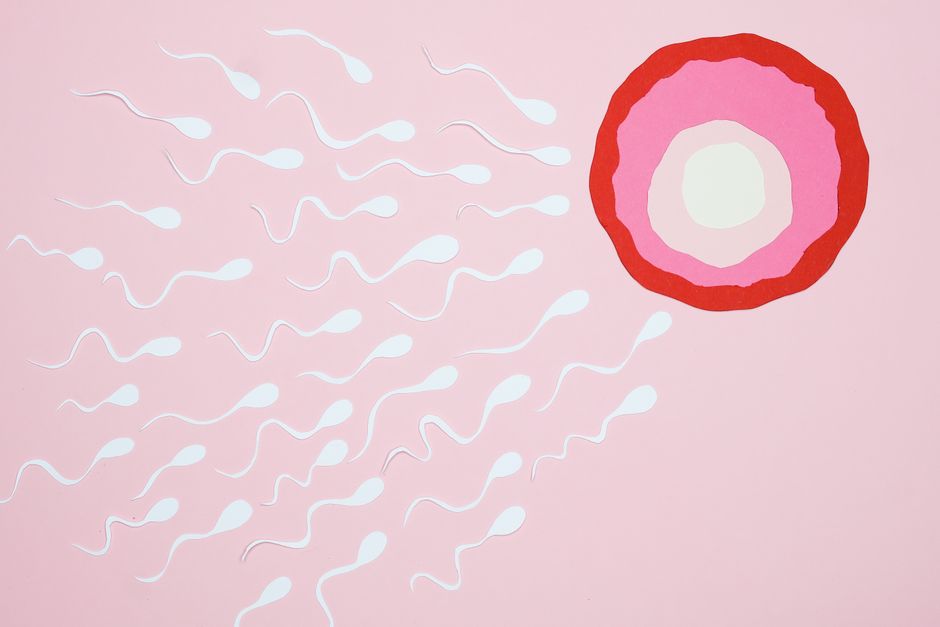
Ovulation is the moment your ovary releases an egg. It happens once per menstrual cycle, usually about 14 days before your next period starts. For a person with a typical 28-day cycle, that means ovulation often occurs around day 14. But cycles vary, and so does the timing of ovulation.
What Exactly Happens During Ovulation?
Your menstrual cycle is driven by hormones. In the first half, estrogen rises. This causes the lining of your uterus to thicken and prepares an egg to mature inside a small sac called a follicle.
Around the middle of your cycle, a surge of luteinizing hormone (LH) triggers the mature egg to burst out of the follicle. That release is ovulation. The egg then travels down the fallopian tube, where it can meet sperm.
The egg only lives for about 12 to 24 hours after release. If sperm does not fertilize it within that window, the egg dissolves and hormone levels drop. The uterine lining then sheds, which is your period.
When Is Do You Ovulate in a Typical Cycle?
The most common cycle length is 28 days. In that cycle, ovulation usually happens on day 14. But here is the key point: the first day of your period is day 1. So you count forward from the first day of bleeding, not backward from your expected period.
For a 28-day cycle, this means ovulation falls roughly halfway between periods. The fertile window is the five days before ovulation plus the day of ovulation itself. That is because sperm can survive inside the female reproductive tract for up to five days.
So if you ovulate on day 14, your fertile window spans roughly days 9 through 14. Intercourse on any of those days could result in pregnancy.
Why Ovulation Timing Varies From Person to Person
Cycle length is not the same for everyone. Some people have 21-day cycles. Others have 35-day cycles. Both can be normal.
Ovulation timing shifts with cycle length. The general rule is that ovulation occurs about 14 days before your next period. So if your cycle is 35 days long, ovulation may happen around day 21. If your cycle is 21 days, ovulation may happen around day 7.
This is why calendar-based prediction methods can be unreliable. The luteal phase — the time after ovulation and before your next period — is fairly consistent at about 12 to 14 days. But the follicular phase, the time before ovulation, can vary widely.
Stress, illness, travel, and significant weight changes can all delay ovulation. Even a single late night or a bout of sickness can push ovulation later than usual.





How Can You Tell When You Are Ovulating?
Several physical signs can help you estimate when ovulation is near. These signs are not foolproof, but they can be useful when combined.
Cervical mucus changes. Around ovulation, cervical mucus becomes clear, slippery, and stretchy — similar to raw egg whites. This is your body creating a sperm-friendly environment. After ovulation, the mucus typically becomes thicker and cloudier.
Basal body temperature. Your resting temperature rises slightly after ovulation due to increased progesterone. The shift is small, often only about 0.5 to 1 degree Fahrenheit. Tracking this temperature every morning before getting out of bed can confirm that ovulation has happened, but it cannot predict it in advance.
Ovulation predictor kits. These urine tests detect the LH surge that happens 24 to 36 hours before ovulation. A positive result means ovulation is likely within the next day or two. These kits are generally reliable for most people, though they can be less accurate for those with certain hormonal conditions.
Mild pelvic pain. Some people feel a twinge or cramp on one side of the lower abdomen around ovulation. This is called mittelschmerz. It is not universal, and it is not a reliable predictor on its own.
How Long Does Ovulation Last?
Ovulation itself is a single event that takes only a few minutes. The egg is released from the follicle and enters the fallopian tube. That process is quick.
But the egg remains viable for about 12 to 24 hours after release. If you are trying to conceive, this is the absolute window in which fertilization can occur.
Because sperm can survive for up to five days, pregnancy is possible from intercourse that happened days before ovulation. This is why the fertile window is longer than the egg’s lifespan.
What If Your Cycle Is Irregular?
Irregular cycles make ovulation timing harder to predict. If your cycle length changes by more than a few days from month to month, calendar methods become unreliable.
Ovulation may not happen every cycle. Anovulatory cycles — cycles without ovulation — occur occasionally for most people. They become more common during times of high stress, with significant weight changes, or as you approach menopause.
For people with irregular cycles, tracking cervical mucus and using ovulation predictor kits can still help. But the timing will be less predictable. If you have consistently irregular cycles, it is worth discussing with a healthcare provider.
Certain conditions can cause irregular ovulation. Polycystic ovary syndrome (PCOS) is a common cause. Thyroid disorders and elevated prolactin levels can also interfere with ovulation. These conditions are treatable, but they require medical evaluation.
Can You Ovulate More Than Once Per Cycle?
This is a common question, and the answer is more nuanced than most people expect. Research has shown that some people can experience multiple waves of follicle development in a single cycle.
However, the release of multiple eggs in a single cycle is different from having multiple separate ovulations. In most cycles, only one egg is released. The idea of ovulating twice at different times in the same cycle is not supported by strong evidence.
What can happen is the release of two eggs at nearly the same time. This is how fraternal twins occur. But this is a single ovulation event releasing two eggs, not two separate ovulations days apart.
Does Ovulation Timing Change With Age?
Yes. As you age, your cycle patterns change. In the years leading up to menopause, cycles often become shorter. Ovulation may occur earlier in the cycle.
In your late 30s and early 40s, the quality and quantity of eggs decline. Cycles may become irregular. Some cycles may not include ovulation at all.
For people in their 20s and early 30s, cycles tend to be more regular. Ovulation is more predictable during these years. But even then, occasional variation is normal.
When Should You See a Doctor About Ovulation Concerns?
If you are trying to conceive and have been having regular unprotected intercourse for a year without success, it is reasonable to seek medical evaluation. If you are over 35, that timeline shortens to six months.
If your cycles are consistently shorter than 21 days or longer than 35 days, discuss this with your healthcare provider. Very irregular cycles can indicate that ovulation is not occurring regularly.
Severe pelvic pain, especially if it is new or worsening, warrants medical attention. While mittelschmerz is normal, severe pain is not.
If you are not trying to conceive but want to understand your cycle for family planning or general health, tracking your cycle for a few months can provide useful information. Many apps can help you log symptoms, but they are only as accurate as the data you enter.
Frequently Asked Questions
Can I get pregnant if I have sex after ovulation?
Pregnancy is possible only if sperm meets the egg within its 12 to 24 hour lifespan after release. Sex after ovulation has passed carries a much lower chance of pregnancy than sex in the days before ovulation.
How do I calculate my ovulation day?
Count backward 14 days from the first day of your expected next period. This works best for people with regular cycles, but it is an estimate, not a guarantee.
Do ovulation test strips really work?
Ovulation predictor kits detect the LH surge that occurs 24 to 36 hours before ovulation. They are generally reliable for predicting ovulation in most people with regular cycles.
Can stress delay ovulation?
Yes, stress can delay ovulation by affecting the hormones that control your cycle. A stressful event can push ovulation later than usual, which also delays your period.
