
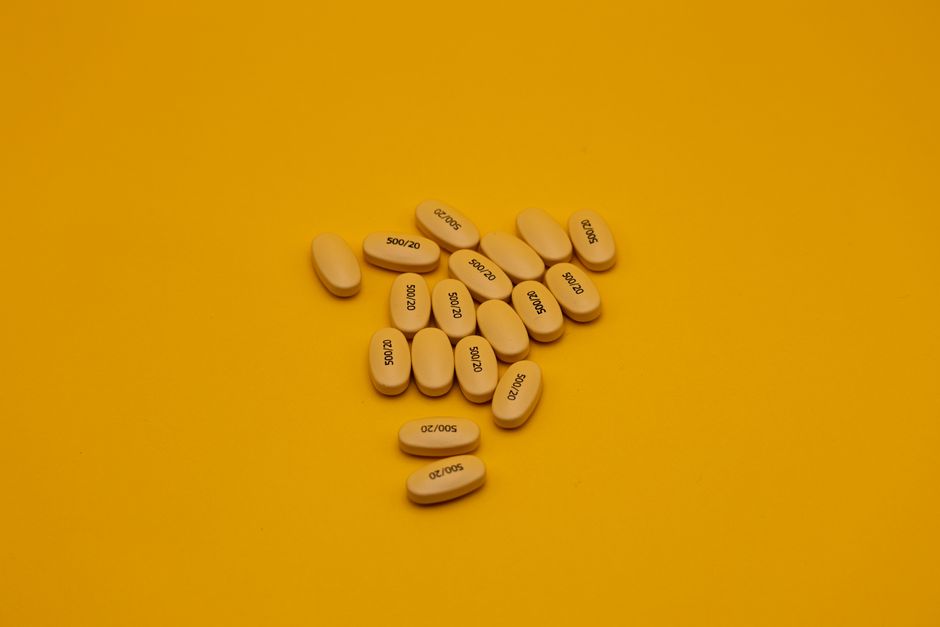
Drugs are chemical substances that change how your body and brain work. They are sorted into classes based on how they act on the body, what they treat, and their potential for misuse. Understanding these classes helps you make informed decisions about prescriptions, over-the-counter products, and substances with no medical use.
What Are The Classes Of Drugs? Key Information
Drug classes group medications and substances by their chemical structure or how they affect the body. The most common framework divides drugs into categories like stimulants, depressants, opioids, and hallucinogens. Each class has distinct effects, risks, and medical uses.
This classification system matters for several reasons. Doctors use it to choose treatments. Pharmacists use it to check for dangerous interactions. And public health officials use it to track misuse patterns. Knowing the class of a drug tells you a lot about what it does and what to expect.
Why Are Drugs Classified Into Groups?
Classification helps medical professionals predict how a drug will behave. Drugs in the same class often share similar mechanisms of action, meaning they affect the body in comparable ways. This allows doctors to anticipate side effects and choose alternatives when one drug does not work well.
Classification also supports safety. When a new drug enters a class, researchers already understand much of its risk profile. This speeds up safe prescribing. For example, knowing a drug is an opioid immediately signals its addiction potential and respiratory depression risk.
Legal classification is separate from medical classification. The Controlled Substances Act in the United States sorts drugs into schedules based on medical use and abuse potential. Schedule I drugs have no accepted medical use, while Schedule V drugs have the lowest abuse potential. This legal system affects how prescriptions are written and filled.
Stimulants: Effects and Medical Uses
Stimulants increase activity in the central nervous system. They raise heart rate, blood pressure, and energy levels. They also boost focus and alertness by increasing dopamine and norepinephrine in the brain.
Common medical uses include treating attention deficit hyperactivity disorder (ADHD) and narcolepsy. Prescription stimulants include methylphenidate and amphetamine-based medications. These drugs are controlled substances because they carry significant abuse potential.
Stimulant misuse is dangerous. High doses can cause rapid heart rate, dangerously high blood pressure, seizures, and psychosis. Combining stimulants with other drugs that raise heart rate increases these risks substantially. Long-term misuse can lead to dependence and withdrawal symptoms like fatigue and depression when use stops.




Depressants: How They Slow the Body Down
Depressants slow brain activity. They reduce anxiety, relax muscles, and can induce sleep. They work by enhancing the effect of GABA, a neurotransmitter that inhibits nerve signaling.
This class includes benzodiazepines, barbiturates, and sleep medications. Benzodiazepines like diazepam and alprazolam are prescribed for anxiety and panic disorders. Barbiturates are older drugs now used mainly for specific conditions like severe seizures.
Depressants are highly effective when used as prescribed. But they carry serious risks. Combining depressants with alcohol or other depressants can stop breathing entirely. This is a leading cause of overdose deaths involving prescription medications. Tolerance develops quickly, meaning higher doses are needed over time to achieve the same effect.
Opioids: Pain Relief and Addiction Risk
Opioids are powerful pain relievers that work by binding to opioid receptors in the brain and spinal cord. They block pain signals and produce feelings of euphoria. This combination makes them effective but also highly addictive.
Medical opioid use includes managing acute pain after surgery, severe injury, or cancer-related pain. Common prescription opioids include oxycodone, hydrocodone, and morphine. Fentanyl is a synthetic opioid far stronger than morphine, used in controlled medical settings.
The opioid crisis has highlighted the risks of this class. Long-term use leads to physical dependence. Withdrawal is intensely uncomfortable. Overdose causes slowed breathing that can be fatal. Naloxone is an emergency medication that reverses opioid overdose by blocking opioid receptors. It is available without a prescription in many areas.
Hallucinogens and Psychedelics
Hallucinogens alter perception, mood, and thought. They cause sensory experiences that do not match reality. Unlike other classes, most hallucinogens do not cause physical dependence or life-threatening withdrawal.
Classic psychedelics include LSD, psilocybin (found in certain mushrooms), and mescaline. These drugs primarily affect serotonin receptors in the brain. They produce visual distortions, altered sense of time, and profound introspective experiences.
Research on psychedelics for mental health conditions is growing. Some studies suggest psilocybin may help with treatment-resistant depression and end-of-life anxiety. However, these treatments remain experimental. No large clinical trials have confirmed their safety and effectiveness for general use. Ketamine, technically a dissociative anesthetic, is used in some clinical settings for severe depression under close medical supervision.
Other Drug Classes You Should Know
Several other classes matter for everyday health decisions.
Cannabinoids include delta-9-tetrahydrocannabinol (THC) and cannabidiol (CBD). THC produces the “high” associated with cannabis. CBD does not produce a high. Medical cannabis products are legal in many states, but federal law still classifies cannabis as a Schedule I substance. This creates confusion about safety and dosing.
Inhalants are household or industrial chemicals inhaled for their effects. These include solvents, aerosol sprays, and nitrites. Inhalant use is extremely dangerous and can cause sudden death even on first use. There are no medical uses for these substances.
Antibiotics are a completely different class that targets bacterial infections. They do not work on viruses. Misusing antibiotics contributes to antibiotic resistance, a serious public health threat. Taking antibiotics when they are not needed makes them less effective for future infections.
Nonsteroidal anti-inflammatory drugs (NSAIDs) like ibuprofen and naproxen reduce pain, fever, and inflammation. They are available over the counter. Long-term use can damage the stomach lining and kidneys. They should be used at the lowest effective dose for the shortest time needed.
How Prescription Drugs Are Regulated
The Food and Drug Administration (FDA) approves prescription drugs for specific uses based on clinical trial evidence. Once approved, a drug can only be legally prescribed for conditions within its approved indications, though doctors can prescribe off-label when medical evidence supports it.
Prescription drugs are classified as controlled or non-controlled. Controlled substances require special handling. Prescriptions for Schedule II drugs cannot be refilled without a new prescription. Schedule III through V drugs have varying restrictions.
Generic versions of drugs contain the same active ingredients as brand-name versions. They must meet the same FDA standards for quality and effectiveness. Generic drugs typically cost less and work the same as their brand-name counterparts.
Over-the-counter drugs do not require a prescription. They are considered safe for self-use when label directions are followed. But “safe” is relative. Even common pain relievers can cause serious harm when taken in excess or combined with other medications.
Common Misconceptions About Drug Classes
One widespread myth is that “natural” drugs are safer than synthetic ones. This is not true. Many plant-derived substances are highly toxic or addictive. Cocaine and opium are plant-derived. Natural does not mean safe.
Another misconception is that a drug’s schedule reflects its actual danger. Schedule I substances like cannabis are classified as having no medical use, yet many states have approved medical cannabis programs. The federal schedule does not always align with current medical evidence.
People also assume that taking multiple drugs from the same class is safe because they are similar. This is incorrect. Combining drugs from the same class multiplies their effects. Two depressants together can be lethal even if each dose alone is safe. This is why doctors ask about all medications, including supplements and recreational substances.
Why Drug Interactions Matter Across Classes
Drugs from different classes can interact dangerously. A stimulant combined with a decongestant can spike blood pressure to dangerous levels. An opioid combined with a benzodiazepine can suppress breathing enough to cause death.
Some interactions happen through metabolism. Many drugs are processed by liver enzymes. One drug can speed up or slow down how another is broken down. This changes drug levels in the blood, sometimes pushing them into toxic ranges.
Always tell your doctor and pharmacist about every substance you use. This includes prescription drugs, over-the-counter products, herbal supplements, and recreational substances. This information can prevent serious interactions. Pharmacists are trained to check for interactions and can flag potential problems before you take a new medication.
Frequently Asked Questions
What is the difference between a drug class and a drug schedule?
A drug class describes how a drug works in the body, while a schedule describes its legal status based on medical use and abuse potential. The same drug has both a pharmacological class and a legal schedule.
Can drugs from the same class be combined safely?
No, combining drugs from the same class multiplies their effects and can be dangerous or fatal. Even medications prescribed separately can interact dangerously, so always review all medications with your doctor or pharmacist.
Are generic drugs as effective as brand-name drugs?
Yes, generic drugs contain the same active ingredients and must meet the same FDA standards for quality and effectiveness. They work the same as brand-name versions and typically cost less.
Why do some drugs require a prescription while others do not?
Prescription drugs require medical supervision because of their potency, side effects, or abuse potential. Over-the-counter drugs are considered safe for self-use when label directions are followed, though they still carry risks if misused.
