
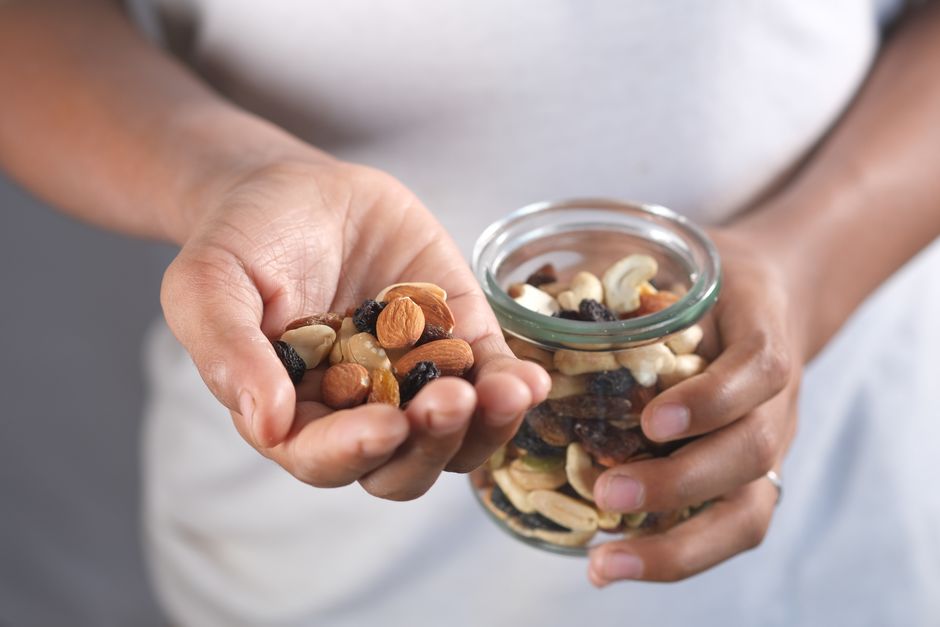
Nuts can be a useful part of a pregnancy diet. They provide protein, healthy fats, fiber, folate, and minerals like iron and calcium. Most nuts are safe to eat during pregnancy when eaten in normal food amounts. The main exceptions are nuts you are allergic to, and any nut product that has not been pasteurized or properly stored. Below is a nut-by-nut breakdown of what each one offers and where caution is genuinely needed.
What Nuts Are Good For Pregnancy Nut By Nut Breakdown?
Almost all common nuts are suitable during pregnancy. Each brings a slightly different nutrient profile, so variety matters more than picking one “best” nut. Here is how the most common ones compare.
| Nut | Notable nutrients | Pregnancy notes |
|---|---|---|
| Almonds | Vitamin E, magnesium, calcium, fiber, protein | Good all-around choice; calcium content is higher than most nuts |
| Walnuts | Alpha-linolenic acid (ALA), an omega-3 fat | One of the few nuts with meaningful omega-3 content |
| Pistachios | Protein, fiber, vitamin B6, potassium | Solid protein source; often sold salted, so watch sodium |
| Cashews | Iron, magnesium, zinc, protein | Lower in fiber than some nuts; often roasted in oil |
| Hazelnuts | Vitamin E, folate, healthy fats | Folate is a key pregnancy nutrient |
| Pecans | Healthy fats, fiber, zinc | Calorie-dense; portion size matters |
| Pine nuts | Iron, magnesium, zinc | Usually fine, but see the storage note below |
| Peanuts | Protein, folate, niacin | Technically a legume, not a tree nut; same allergy cautions apply |
None of these nuts is dangerous in normal food amounts for someone without an allergy. The differences are about which nutrients each one leans toward, not about safety.
Why Are Nuts a Good Fit for a Pregnancy Diet?
Pregnancy raises the body’s demand for protein, iron, folate, calcium, and healthy fats. Nuts happen to supply several of these at once, in a form that is easy to carry and eat without cooking.
Folate is one of the clearest examples. It is a B vitamin that helps prevent certain birth defects of the brain and spine, and it is most important in early pregnancy. Hazelnuts and peanuts both contain folate, though nuts alone cannot meet the recommended intake — prenatal vitamins and fortified foods are the main sources clinicians rely on.
Nuts also provide unsaturated fats, including omega-3 fats in the case of walnuts. These fats support the growth of the baby’s brain and nervous system. Protein supports the growth of maternal and fetal tissue. Fiber helps with a common pregnancy complaint: constipation.
One practical point worth knowing: the calorie density of nuts is high. A small handful delivers a lot of energy in a small volume. That is helpful if appetite is low, and worth tracking if weight gain is a concern.
Which Nuts Are Highest in the Nutrients Pregnancy Needs Most?
The nutrients that matter most in pregnancy are folate, iron, calcium, protein, and omega-3 fats. No single nut covers all of them well, which is why mixing nuts is more useful than relying on one type.
- Folate: peanuts and hazelnuts tend to be higher than other nuts.
- Iron: cashews and pine nuts are among the better nut sources.
- Calcium: almonds stand out among nuts, though dairy and fortified plant milks remain far better calcium sources.
- Omega-3 (ALA): walnuts are the clear leader among common nuts.
- Protein: peanuts, almonds, and pistachios are relatively high.
It is worth being honest about scale here. Nuts are a supporting player, not a primary source of most of these nutrients. A serving of almonds does not come close to the calcium in a glass of milk, and no nut replaces a prenatal vitamin for folate. Nuts add to a diet; they do not carry it.


Are There Nuts to Avoid During Pregnancy?
There is no nut that a pregnant woman without an allergy needs to avoid for its own sake. The cautions that do exist are about allergies, contamination, and preparation — not about the nuts themselves.
If you are allergic to a specific nut, avoid it entirely, as you would at any other time. A severe allergic reaction is dangerous during pregnancy just as it is otherwise. If you have a history of severe reactions, talk with your clinician about an emergency plan.
Peanuts deserve a specific note. They are a legume, not a tree nut, but peanut allergy is common and serious, so the same avoidance applies if you are allergic. For women who are not allergic, current evidence does not support avoiding peanuts during pregnancy to prevent allergy in the child. In fact, guidance has moved away from that idea.
Aflatoxins are another consideration. These are compounds produced by certain molds that can grow on poorly stored nuts, especially in warm, humid conditions. Long-term high exposure is a health concern, and pregnancy is a time to be careful. The practical steps are simple: buy nuts from reputable sources, keep them dry and sealed, and throw out any that are moldy, musty, or discolored. Do not just pick off the moldy ones — discard the batch.
What About Nut Butters and Roasted Nuts?
Nut butters are fine during pregnancy as long as they are pasteurized and properly stored. Most commercial peanut and almond butters are pasteurized, which is why they are generally considered safe.
The pasteurization question matters more for certain other products than for jarred nut butter. Raw or unpasteurized nut products, and unpasteurized dairy or juices, carry a higher risk of foodborne illness, and pregnancy makes foodborne infections more dangerous. When in doubt, choose the pasteurized option.
Roasted nuts are also fine. The main things to watch are added salt and added oils, which vary by brand and are not a safety issue but can add sodium and calories. Natural nut butters — the kind where oil separates and you stir it back in — usually have fewer added ingredients.
One storage note applies to all of these: nut butters and nuts can go rancid over time. Rancid fats taste bitter or soapy. If a product smells off, throw it out.
How Much Should You Eat, and Does It Replace Anything?
There is no official pregnancy-specific serving recommendation for nuts. General dietary guidance treats them as part of the protein and healthy-fat food groups, and a common portion is a small handful, roughly one to one and a half ounces.
Nuts should not replace the foods and supplements that carry the nutrients pregnancy needs most. A prenatal vitamin, a varied diet with fruits, vegetables, whole grains, and protein sources, and adequate hydration remain the foundation. Nuts fit into that picture as a convenient, nutrient-dense snack.
If you have gestational diabetes, nut intake is generally fine, but portion size and the total carbohydrate picture matter. If you are managing weight gain, the calorie density of nuts is worth keeping in mind. If you have any specific condition, your clinician or a dietitian is the right person to give you a target — not a general article.
Does Eating Nuts During Pregnancy Affect the Baby’s Allergy Risk?
The evidence does not show that eating nuts during pregnancy causes food allergies in the child. Earlier advice to avoid peanuts during pregnancy has largely been set aside as the evidence has developed.
Some research has looked at whether maternal nut consumption might actually be associated with lower allergy risk in children, but results have been mixed and no clear causal link has been established. The honest position is that current evidence does not support either avoiding nuts or deliberately eating more of them to prevent allergy in the child.
If you have a family history of food allergy, that is a conversation to have with your clinician or a pediatric allergist — ideally before the baby is born, so you have a plan for introducing foods later.
Frequently Asked Questions
Are nuts safe to eat during pregnancy?
Yes, most nuts are safe in normal food amounts for women without a nut allergy. Avoid any nut you are allergic to, and choose pasteurized products and properly stored nuts.
Which nut is best for pregnancy?
There is no single best nut — walnuts lead in omega-3 fats, almonds in calcium, and peanuts and hazelnuts in folate. Eating a mix covers more nutrients than choosing one.
Can eating nuts during pregnancy cause a peanut allergy in my baby?
Current evidence does not show that eating nuts during pregnancy causes food allergies in the child. Earlier advice to avoid peanuts during pregnancy has largely been set aside.
Is peanut butter safe during pregnancy?
Yes, pasteurized commercial peanut butter is generally considered safe. Avoid raw or unpasteurized nut products, and discard any nut butter that smells rancid.
