
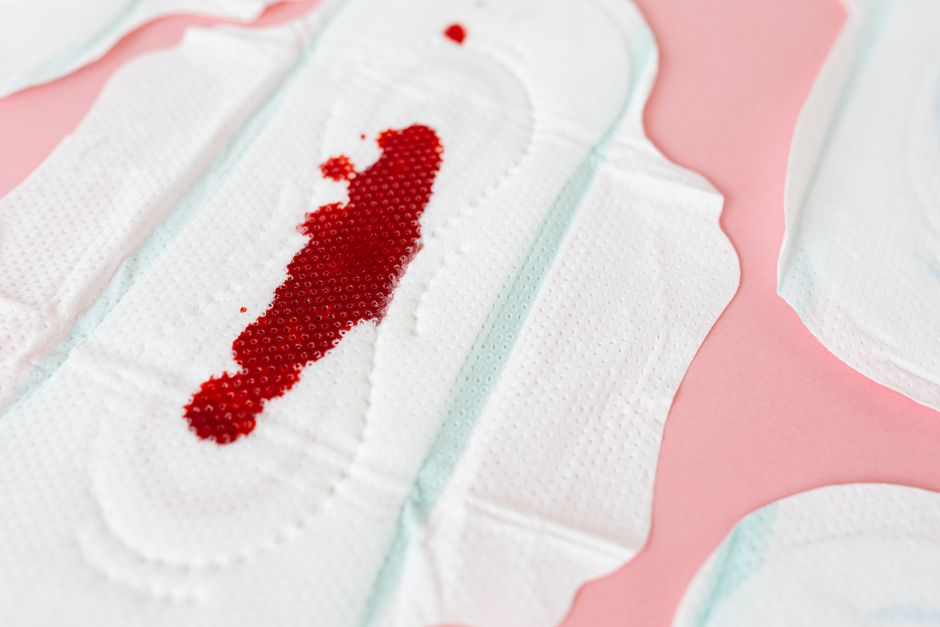
Spotting in early pregnancy is common, and constipation is also common. But constipation does not directly cause spotting. The two often happen at the same time because of shared causes — mainly hormonal changes and increased blood flow to the pelvic area.
If you are pregnant and see any bleeding, contact your doctor or midwife. Bleeding in early pregnancy can have several causes, and only a clinician can determine what is happening in your specific case.
What Actually Causes Spotting in Early Pregnancy?
Spotting — light bleeding that does not fill a pad — is reported by a significant number of pregnant women, particularly in the first trimester. Research suggests it happens in roughly one in four pregnancies, though reported rates vary depending on how spotting is defined and when women are asked.
The most common causes include:
- Implantation bleeding. When the fertilized egg attaches to the uterine lining, it can cause light bleeding. This typically happens around the time a missed period would occur.
- Hormonal changes. Rising progesterone and estrogen levels can make the cervix more sensitive and prone to light bleeding.
- Cervical sensitivity. Increased blood flow to the cervix means even minor irritation — from a pelvic exam, intercourse, or a Pap smear — can cause spotting.
- Subchorionic hematoma. A small pool of blood between the uterine wall and the chorionic membrane. Many resolve on their own, but they need medical evaluation.
- Ectopic pregnancy. A pregnancy that implants outside the uterus. This is a medical emergency and can cause bleeding and pain.
- Miscarriage. Bleeding is often the first sign, though many women who spot in early pregnancy go on to have healthy pregnancies.
Notice what is not on this list: constipation. There is no established mechanism by which hard stool in the rectum or straining during a bowel movement directly causes bleeding from the uterus or cervix.
Can Straining From Constipation Cause Spotting?
Straining during a bowel movement does not cause uterine bleeding. The uterus and the rectum are separate structures. Pressure in the rectum does not transmit to the uterus in a way that would cause bleeding.
However, there is one indirect connection worth understanding. If you already have a sensitive cervix — which is common in early pregnancy — the increase in intra-abdominal pressure from straining could theoretically irritate it. Some clinicians note that any activity that increases pressure in the pelvic area can cause light spotting from an already-irritable cervix. But this is not the same as constipation causing spotting. The constipation is incidental. The sensitive cervix is the real issue.
There is also a practical confusion that happens. Hemorrhoids are common in pregnancy and can bleed. A small amount of bright red blood on toilet paper after a bowel movement may be coming from a hemorrhoid or an anal fissure, not from the vagina. This is a source of blood that many women mistake for vaginal spotting.
If you cannot tell where the blood is coming from, that alone is a reason to call your doctor.
Why Do Constipation and Spotting Happen Together in Early Pregnancy?
Both are common in early pregnancy, which means they overlap frequently by coincidence alone. But there are also shared underlying causes that explain why the same woman might experience both.
Progesterone is the main one. This hormone rises sharply in early pregnancy. It relaxes smooth muscle throughout the body — including the muscles of the intestinal wall. When those muscles relax, bowel movements slow down and become harder to pass. That is why constipation is so common in pregnancy.
Progesterone also affects blood vessels. It causes them to dilate, which increases blood flow to the cervix and surrounding tissues. A cervix with more blood flow is more likely to bleed with minor irritation.
So the same hormone that slows your gut also makes your cervix more prone to bleeding. That is the real connection. Constipation is not causing the spotting. Both are downstream effects of the same hormonal shift.
Other shared factors include:
- Increased pelvic blood volume, which affects both the digestive tract and reproductive organs
- Pressure from a growing uterus on the rectum, which can worsen constipation
- Prenatal vitamins containing iron, which can contribute to constipation



When Should You Worry About Spotting?
Any bleeding during pregnancy warrants a call to your doctor or midwife. That said, some patterns are more concerning than others.
Contact your provider promptly if you have:
- Heavy bleeding — enough to soak a pad
- Bleeding with cramping or abdominal pain
- Bleeding that continues or gets heavier over time
- Dizziness, fainting, or shoulder pain (possible signs of ectopic pregnancy)
- Passing tissue or clots
- Bleeding after 12 weeks
Light spotting that happens once, stops, and is not accompanied by pain is less urgent — but still worth mentioning at your next appointment or calling about if you are unsure.
Do not try to figure out the cause on your own. The list of possible causes is long, and the only way to know what is happening is through evaluation. An ultrasound and a blood test can usually provide clear answers.
How Can You Manage Constipation During Early Pregnancy?
Constipation in pregnancy is treatable. The goal is to soften stool and reduce straining without using anything that could harm the pregnancy.
What is generally considered safe and effective:
- Fiber. Aim for 25 to 30 grams per day from fruits, vegetables, and whole grains. Increase gradually to avoid bloating.
- Fluids. Drink enough water so that your urine is pale yellow. Dehydration makes constipation worse.
- Physical activity. Walking and other gentle exercise help stimulate bowel movements. If your provider has not restricted activity, regular movement is helpful.
- Stool softeners. Docusate sodium is commonly recommended in pregnancy. Ask your provider before starting any medication.
- Fiber supplements. Psyllium and methylcellulose are often used. Again, check with your provider first.
What to avoid without medical guidance:
- Stimulant laxatives (such as senna or bisacodyl) — some clinicians say occasional use is acceptable, but this should be discussed with your provider
- Mineral oil — it can interfere with absorption of fat-soluble vitamins
- Any herbal laxative — most have not been studied in pregnancy
If lifestyle changes are not working, talk to your doctor. There are prescription options that may be appropriate, but the evidence for some of them in pregnancy is limited.
Does Constipation Increase the Risk of Miscarriage?
No. Constipation does not cause miscarriage. There is no established evidence that straining during a bowel movement or having hard stools increases the risk of pregnancy loss.
This is a common worry, and it is understandable. But the physiology does not support it. The uterus is a muscular organ that is largely insulated from the mechanical pressure of the rectum and lower bowel.
Miscarriage in early pregnancy is most often caused by chromosomal abnormalities in the developing embryo — things that are determined at conception and cannot be influenced by bowel habits. Other causes include hormonal imbalances, uterine abnormalities, and infections. Constipation is not among them.
If you have miscarried and are looking for a reason, constipation is not it. Most early miscarriages happen because the pregnancy was not developing normally from the start.
What Else Can Cause Bleeding That Looks Like Spotting?
Vaginal bleeding in early pregnancy can come from several sources, and not all of them are related to the pregnancy itself.
Cervical polyps are small growths on the cervix that can bleed easily. They are usually benign and often discovered during a pelvic exam.
Cervical ectropion is a condition where the glandular cells inside the cervical canal grow onto the outer surface of the cervix. These cells are more fragile and bleed easily. It is common in pregnancy because of hormonal changes.
Infection — such as a cervical infection or vaginitis — can cause spotting or light bleeding.
Sexual intercourse can cause spotting if the cervix is sensitive, which it often is during pregnancy.
Urinary tract infections can cause blood in the urine, which some women mistake for vaginal bleeding.
This is why self-diagnosis is unreliable. The source of the blood matters, and so does the cause. A doctor can usually tell the difference with a simple exam and ultrasound.
What Should You Do If You Have Both Constipation and Spotting?
Call your doctor or midwife. That is the short answer. Not because constipation caused the spotting, but because spotting during pregnancy always deserves evaluation.
While you wait for your appointment:
- Note when the spotting started, how much there is, and what color it is
- Note whether you have pain, cramping, or other symptoms
- Do not use tampons or have intercourse until you have been evaluated
- Stay hydrated and eat fiber-rich foods to help with the constipation
- Avoid straining — if you need a stool softener, ask your provider which one is safe for you
The constipation is treatable and not dangerous to the pregnancy. The spotting needs to be checked. Those are two separate issues that happen to be occurring at the same time.
Most women who experience light spotting in early pregnancy go on to have healthy babies. But that statistic should not be used to talk yourself out of calling your doctor. The only way to know what is happening in your pregnancy is to have it evaluated.
Frequently Asked Questions
Can constipation cause spotting in early pregnancy?
No, constipation does not directly cause spotting. Both are common in early pregnancy and share the same hormonal trigger — rising progesterone — which slows the gut and makes the cervix more prone to bleeding.
Can straining to poop cause a miscarriage?
No. There is no evidence that straining during a bowel movement causes miscarriage. Most early miscarriages are caused by chromosomal abnormalities that are determined at conception.
Is bright red blood on toilet paper during pregnancy always vaginal bleeding?
No. Hemorrhoids and anal fissures are common in pregnancy and can leave bright red blood on toilet paper after a bowel movement. If you cannot tell where the blood is coming from, call your doctor.
When should I call my doctor about spotting in early pregnancy?
Call your doctor or midwife any time you have bleeding during pregnancy. Seek urgent care if the bleeding is heavy, comes with cramping or pain, or is accompanied by dizziness or fainting.
