
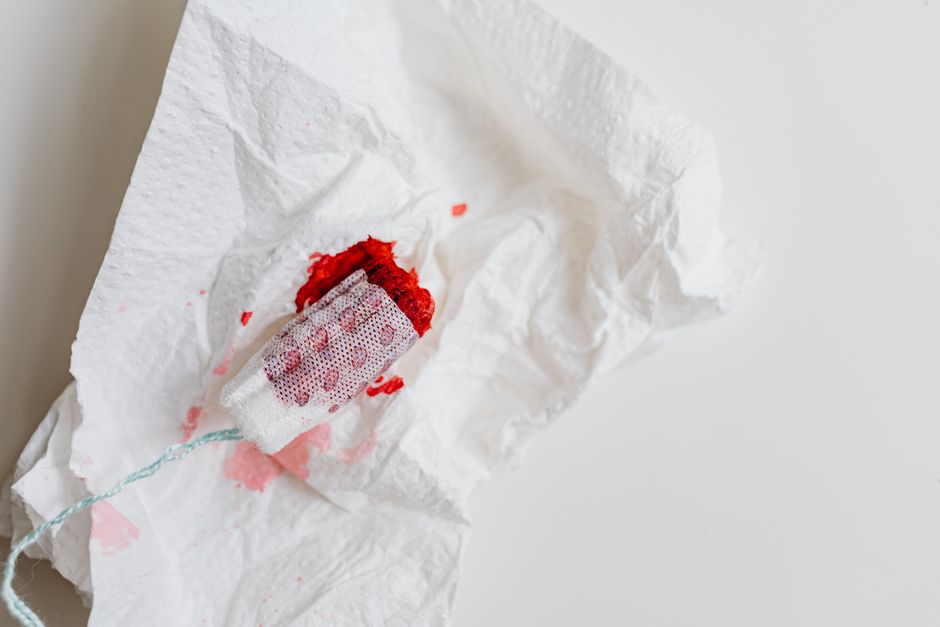
Bleeding during the second trimester of pregnancy is not normal, and it is not something to manage at home. If you are bleeding at any point after the 13th week, call your doctor, midwife, or emergency services right away. There is no home remedy or self-care step that stops this bleeding. The right action is to get medical care immediately, because in the second trimester the possible causes include conditions that can threaten both your health and your pregnancy.
How To Stop Bleeding During Pregnancy Second Trimester?
You cannot stop second-trimester bleeding on your own. The bleeding stops when the underlying cause is treated, and identifying that cause requires an exam, an ultrasound, and sometimes blood tests. That is why the first step is always the same: contact your provider or go to the emergency room.
What you can do is manage the moment safely while you get help. Here is what that looks like:
- Call your provider’s office or the emergency line. If you cannot reach anyone, go to the emergency room.
- Use a pad, not a tampon. A pad lets you and your care team see how much you are bleeding, and it avoids putting anything into the vagina.
- Do not have sex or insert anything into the vagina until you have been evaluated.
- Note the color and amount of blood, and whether there are clots or tissue. This information helps your provider.
- Lie down if you feel faint, and have someone drive you. Do not drive yourself if you feel dizzy or weak.
- Go to the emergency room immediately if bleeding is heavy, if you feel dizzy or faint, if you have severe pain, or if you have a fever.
Heavy bleeding — soaking through a pad in an hour or less — is a medical emergency. So is any bleeding accompanied by fainting, a racing heart, or shoulder pain. These can be signs of significant blood loss or internal bleeding.
What Causes Bleeding in the Second Trimester?
There are several possible causes, and they range from manageable to serious. Only a clinician can tell you which one applies to you.
Placental problems are among the most important. Placenta previa is when the placenta sits low in the uterus and covers or sits near the cervix. It can cause painless, bright red bleeding. A placental abruption is when the placenta separates from the uterine wall before delivery, and it often causes bleeding along with pain and uterine tightness. Both require urgent evaluation.
Cervical changes are another common source. The cervix has a rich blood supply and can bleed easily during pregnancy. A cervical polyp, inflammation of the cervix, or even a routine pelvic exam or intercourse can cause light spotting. Cervical insufficiency, where the cervix begins to open too early, is a more serious cervical cause and needs prompt attention.
Infection of the cervix, vagina, or urinary tract can cause bleeding or spotting. These are usually treatable once identified.
Uterine fibroids can bleed, especially if they are large or located near the placenta. Many people with fibroids have no bleeding at all, so this is only one possibility among many.
Early labor or pregnancy loss can also present with bleeding. In the second trimester, bleeding with cramping or fluid loss needs immediate assessment.
In some cases, no cause is ever found. That does not mean the bleeding was harmless — it means the evaluation did not identify a specific source. Your provider will still want to monitor you.
What Does the Color and Amount of Blood Tell You?
The color and amount of blood can hint at what is happening, but they cannot replace a medical exam. Bright red blood usually means active bleeding. Dark brown blood is often older blood that has been sitting in the vagina or uterus for a while.
Light spotting — a few drops or streaks — is less alarming than heavy flow, but it still needs to be reported. Heavy bleeding, clots larger than a quarter, or any tissue passing are all reasons to seek care immediately.
Do not try to judge the severity on your own. Some serious causes, like placenta previa, can cause painless bleeding that looks modest at first and then increases. Let a clinician make the call.





What Happens When You Go to the Doctor for Second-Trimester Bleeding?
Your provider will start with questions about how much you are bleeding, when it started, and whether you have pain, cramping, or contractions. Then they will examine you.
A speculum exam lets the provider see the cervix and check for polyps, tears, or bleeding from the cervix itself. An ultrasound checks the placenta’s position, the baby’s growth and heart rate, and the amount of fluid around the baby. Blood tests can check your blood count and, if needed, your blood type and Rh status.
If you are Rh-negative, you may be offered an injection of Rh immune globulin (RhoGAM) after bleeding. This prevents your body from making antibodies that could harm a future pregnancy. This is standard practice, and your provider will decide whether it applies to you.
Treatment depends entirely on the cause. A cervical polyp may need no treatment. An infection gets antibiotics. Placenta previa may require hospital monitoring, activity limits, and possibly a planned early delivery. A placental abruption may require emergency care. There is no single treatment for second-trimester bleeding because there is no single cause.
When Is Second-Trimester Bleeding an Emergency?
Some signs mean you should call emergency services or go to the nearest emergency room without waiting.
- Heavy bleeding, or soaking a pad in an hour or less
- Dizziness, fainting, or a racing heartbeat
- Severe or worsening abdominal pain
- Shoulder pain, which can signal internal bleeding
- Fever or chills
- Passing clots or tissue
- Fluid leaking from the vagina
- Regular contractions or cramping
If you are unsure whether something counts as an emergency, call your provider and describe what is happening. It is always better to be checked and sent home than to wait.
Can You Prevent Second-Trimester Bleeding?
Most causes of second-trimester bleeding cannot be prevented. Placenta previa and placental abruption are not things you cause or can avoid through diet or behavior. That is an important point, because people often blame themselves when bleeding happens. In most cases, there was nothing you did wrong.
What you can do is manage known risk factors with your provider. If you have high blood pressure, diabetes, or a history of placental problems, your provider will monitor you more closely. If you smoke, quitting lowers several pregnancy risks. If you have had cervical insufficiency in a past pregnancy, your provider may recommend monitoring or treatment.
Do not take any medication, supplement, or herbal product for bleeding without asking your provider first. Some products marketed for “pregnancy support” have no evidence behind them and some can be harmful.
What Should You Do After the Bleeding Stops?
Even if bleeding stops on its own, you still need to be evaluated. Bleeding that stops can start again, and the cause may still be present. Your provider will tell you whether you need follow-up visits, activity restrictions, or monitoring.
Follow the instructions you are given about activity, sex, and travel. If you are told to take it easy, that means avoiding strenuous activity, heavy lifting, and intercourse until you are cleared. Ask your provider exactly what “taking it easy” means for your situation, because the advice varies by cause.
Keep track of any new bleeding, pain, or changes, and report them. Do not wait for your next scheduled appointment if something changes.
Frequently Asked Questions
Can second-trimester bleeding stop on its own?
Yes, some causes of light bleeding stop on their own, but that does not mean the cause has gone away or that you should skip an exam. Any second-trimester bleeding needs to be reported to your provider, even if it stops.
Does light spotting in the second trimester mean miscarriage?
Not necessarily — light spotting can come from the cervix, an infection, or a polyp, and many pregnancies with spotting continue normally. However, bleeding with cramping or heavy flow raises the risk, so it must be checked right away.
Can I have sex if I had second-trimester bleeding?
No, avoid sex and inserting anything into the vagina until your provider evaluates you and clears you. Sex can irritate the cervix and make bleeding worse, and it can be unsafe with some causes like placenta previa.
Should I go to the ER or call my doctor first for second-trimester bleeding?
Call your provider first if bleeding is light and you feel well, but go to the emergency room immediately if bleeding is heavy, you feel faint or dizzy, you have severe pain, or you have a fever. When in doubt, treat it as an emergency.
