
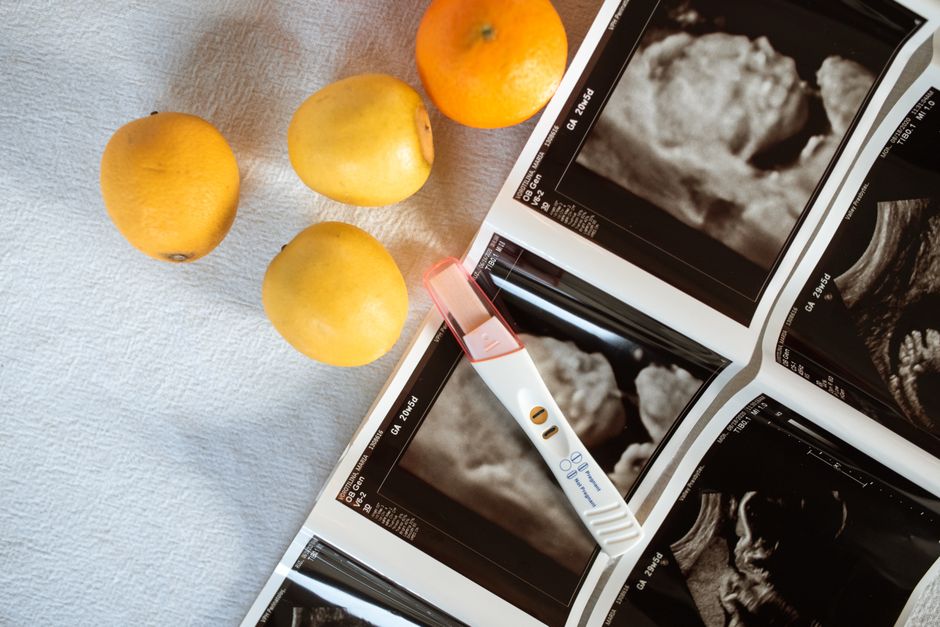
A missed period is often the first sign that makes you think about taking a pregnancy test. But you don’t have to wait for a missed period to get an accurate result. Most home pregnancy tests can detect the pregnancy hormone in your urine as early as the first day of your expected period. For the most reliable result, the best time to test is after your period is actually late. Testing too early can give you a negative result even if you are pregnant, simply because your body hasn’t produced enough of the hormone yet.
How Do Home Pregnancy Tests Work?
Home pregnancy tests detect a hormone called human chorionic gonadotropin (hCG). Your body only produces this hormone after a fertilized egg attaches to the lining of the uterus. This process is called implantation.
Implantation typically happens about 6 to 10 days after ovulation. Once implantation occurs, your hCG levels begin to rise quickly. They usually double every 48 to 72 hours in early pregnancy. A home test measures the amount of hCG in your urine. When the level crosses a certain threshold, the test shows a positive result.
Understanding this timeline explains why testing early can be unreliable. If you test before implantation has happened, there is no hCG in your system to detect. Even if implantation has occurred, the levels may still be too low for a urine test to pick up.
When Do You Do A Pregnancy Test for the Most Accurate Result?
The most accurate time to take a home pregnancy test is after you have missed your period. Testing on the first day of a missed period gives you a high degree of accuracy. However, waiting one week after your missed period produces the most dependable result.
If you have irregular periods, tracking when to test becomes harder. You may not know exactly when your period is late. In that case, a general guideline is to wait at least 21 days after you last had unprotected sex. This allows enough time for implantation and for hCG levels to rise to a detectable range.
Testing earlier than your missed period is possible with some sensitive tests. These tests claim to detect pregnancy up to five days before your expected period. But the accuracy at that point is lower. You have a higher chance of getting a false negative result because your hCG levels may still be too low.
What Time of Day Should You Test?
For the most sensitive detection, take the test first thing in the morning. Your urine is most concentrated after a night of sleep. This means hCG levels are easier to detect in that first morning sample.
If you test later in the day, your urine may be diluted from fluids you have consumed. This can make it harder for the test to detect low levels of hCG. If you must test later in the day, try to hold your urine for a few hours beforehand and avoid drinking large amounts of fluid before testing.
This timing matters most when you are testing early. If you are testing after a missed period, the time of day matters less because your hCG levels are likely high enough to detect regardless.


How Early Can You Test Before a Missed Period?
Some highly sensitive home tests can detect pregnancy before your missed period. These tests typically detect hCG levels of 10 mIU/mL or lower. Standard tests often detect levels around 20 to 25 mIU/mL.
If you test about 5 days before your expected period, you are testing roughly 9 to 10 days past ovulation. At this point, implantation may have just occurred. Your hCG levels may be just beginning to rise. A positive result at this stage is likely accurate. But a negative result does not rule out pregnancy.
The chance of a false negative decreases with each day you wait. By the day of your expected period, most home tests are about 99% accurate if you follow the instructions correctly. This accuracy rate applies when you test on or after the first day of your missed period.
What Do the Lines and Symbols Mean?
Reading a pregnancy test result depends on the brand you use. Most digital tests display the words “Pregnant” or “Not Pregnant.” These are straightforward to read. Traditional strip tests show lines or symbols.
For line tests, one line usually means negative. Two lines mean positive. In many tests, the presence of any second line — even a faint one — indicates a positive result. The intensity of the line does not matter. A faint line still means hCG is present.
An evaporation line can confuse results. This is a faint, colorless line that appears after the test has dried. It can look like a positive result but is not. To avoid confusion, read the test result within the time window stated in the instructions, usually 3 to 5 minutes. Results read after 10 minutes are often invalid.
Can Medications or Medical Conditions Affect Results?
Most medications do not interfere with home pregnancy tests. This includes birth control pills, antibiotics, and pain relievers. These do not contain hCG and will not affect your result.
Fertility medications that contain hCG can cause a false positive. These are often given as injections to trigger ovulation. If you have taken one of these medications, you should wait at least 10 to 14 days after the injection before testing. Otherwise, the medication itself can be detected as a positive result.
Certain rare medical conditions can also cause elevated hCG levels. These include some types of tumors or molar pregnancies. These situations are uncommon. If you get a positive test and later get negative tests or unusual symptoms, speak with a healthcare provider.
What Should You Do After a Positive Test?
A positive home pregnancy test is highly reliable. If you get a positive result, you should contact a healthcare provider to confirm the pregnancy and discuss next steps. They may order a blood test to confirm the pregnancy and check your hCG levels.
Blood tests performed in a clinical setting can detect pregnancy earlier than urine tests. They can also measure the exact amount of hCG in your blood. This information can help your provider assess how the pregnancy is progressing.
Start taking a prenatal vitamin with folic acid if you have not already. Folic acid helps prevent neural tube defects in early development. You should also schedule your first prenatal appointment. Many providers see you around 8 weeks after your last menstrual period, although this can vary by practice.
Frequently Asked Questions
How many days after a missed period should I take a pregnancy test?
You can test on the first day of your missed period for a highly accurate result. Waiting one full week after your missed period gives you the most reliable outcome.
Can I take a pregnancy test at night?
Yes, you can test at night, but your urine may be more diluted than in the morning. If you are testing before a missed period, morning urine gives you the best chance of detecting low hCG levels.
Can a negative test turn positive later?
If you tested too early, your hCG levels may have been too low to detect. Testing again a few days later can show a positive result as the hormone levels rise.
How soon after unprotected sex will a pregnancy test show positive?
It takes about 10 to 14 days after unprotected sex for a home test to show a positive result. A blood test done by a healthcare provider can detect pregnancy slightly earlier.
