
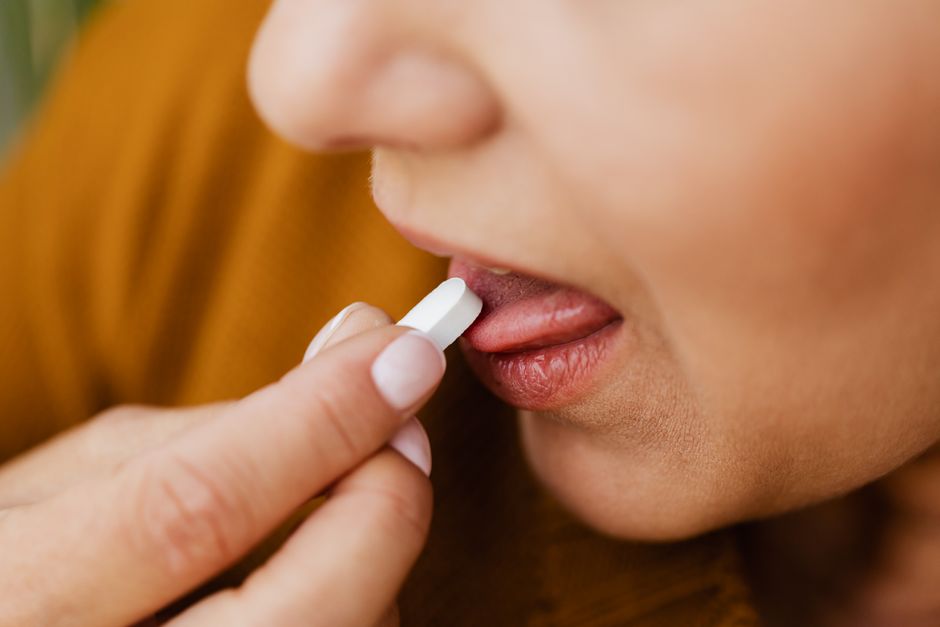
You can usually eat a light meal about 30 minutes to an hour after taking misoprostol, once the worst of the cramping and nausea has passed. Misoprostol is absorbed quickly, so food does not wait on the drug to finish working. The more important question is not whether you can eat, but whether your stomach can handle it while the medication is doing its job.
Misoprostol is a prescription medication used for several purposes. It can end an early pregnancy, help complete a miscarriage, soften the cervix before a procedure, or treat stomach ulcers when taken with other drugs. How it affects your appetite and digestion depends partly on why you are taking it and how your body responds.
How Long Should You Wait Before Eating After Misoprostol?
There is no strict rule that says you must wait a set number of hours. For most people, eating within 30 to 60 minutes is fine.
Misoprostol is absorbed rapidly through the lining of the mouth or the stomach, depending on how you take it. When swallowed, peak levels in the blood are reached in roughly 12 to 60 minutes. Food does not block this absorption in any meaningful way. That is different from some other medications where taking them with food changes how much gets into your system.
What food can do is make nausea and cramping feel worse. Misoprostol commonly causes nausea, vomiting, diarrhea, and abdominal cramping. These are expected side effects, not signs that something is wrong. If you eat a heavy meal too soon, you may vomit it back up, which is unpleasant and can also mean you lose some of the medication if you took it by mouth.
A practical approach many clinicians suggest is to wait until the sharpest cramps ease and the nausea settles. For some people that is 30 minutes. For others it is a couple of hours. Listen to your body rather than the clock.
Why Does Misoprostol Cause Nausea and Cramping?
Misoprostol is a synthetic version of prostaglandin E1, a hormone-like substance your body makes naturally. Prostaglandins do many things. In the uterus, they cause the muscle to contract. In the stomach and intestines, they affect acid production, mucus, and how fast contents move through the gut.
That is why misoprostol has such a wide range of effects. The same drug that contracts the uterus can also cause the bowel to cramp and the stomach to feel unsettled. It is not a side effect that means something has gone wrong. It is the drug working on tissues that respond to prostaglandins.
The cramping you feel is often the medication doing exactly what it is meant to do. When misoprostol is used to empty the uterus, contractions are the mechanism. When it is used for ulcer treatment, the effects on the stomach lining are the goal. Either way, the gut often reacts.
What Should You Eat After Taking Misoprostol?
Start with bland, easy-to-digest foods. Your stomach is not the place for a heavy or spicy meal right after misoprostol.
- Plain crackers or toast
- Bananas
- Plain rice
- Applesauce
- Clear broth
- Plain yogurt if you tolerate dairy
These foods are gentle on a queasy stomach and unlikely to trigger more nausea. They also provide some energy without demanding much digestion.
Avoid greasy, fried, or heavily spiced foods for the first few hours. Alcohol is a bad idea. Caffeine can worsen stomach irritation and may add to the jittery feeling some people get. Very large meals are also worth avoiding until you know how your body is responding.
Hydration matters more than food in the first few hours. Misoprostol can cause diarrhea and vomiting, and both lose fluid. Sip water, clear broth, or an oral rehydration drink. Small, frequent sips are easier on the stomach than large gulps.


Does It Matter How You Take Misoprostol?
Yes. How you take misoprostol changes how fast it works and how it affects your stomach.
Misoprostol can be taken by mouth and swallowed, held under the tongue, placed between the cheek and gum, or inserted into the vagina. Each route has a different absorption pattern. The vaginal and under-the-tongue routes tend to produce higher blood levels and more sustained effects than swallowing. When swallowed, the drug passes through the stomach and liver before reaching the bloodstream, so less of it is available.
If you swallow misoprostol, food in your stomach can slightly slow how quickly it is absorbed, but this is not usually a problem. If you hold it in your mouth or place it vaginally, food has no effect on absorption at all, because the drug is not going through your digestive tract.
The route also affects side effects. Swallowing tends to cause more nausea and diarrhea because the drug touches the stomach and gut lining directly. Under-the-tongue and vaginal routes often cause fewer digestive symptoms but may cause more cramping.
Follow the instructions your clinician gave you. Do not switch routes on your own.
When Should You Call a Doctor About Eating or Symptoms?
Call your healthcare provider if you cannot keep fluids down for more than a few hours, or if you have signs of dehydration such as dizziness, a dry mouth, or dark urine.
Heavy bleeding is another reason to seek care. Soaking through more than one pad an hour for two hours in a row is a sign to get medical help. Fever above 100.4°F (38°C), severe pain that does not ease, or a foul-smelling discharge also warrant a call.
These warning signs apply whether misoprostol was prescribed for pregnancy-related reasons or for other uses. When misoprostol is used to end a pregnancy or manage a miscarriage, the risk of heavy bleeding and infection is real and needs prompt attention.
If you are taking misoprostol for ulcer prevention and have ongoing stomach pain that gets worse after eating, tell your doctor. That could point to an ulcer that is not healing or another problem.
Does Food Interact With Misoprostol in Any Other Way?
Food does not meaningfully change how misoprostol works. There is no known food that blocks its effects or makes it dangerous.
One point worth knowing: misoprostol is often taken with other medications. If you take it for ulcer prevention, it is typically combined with an NSAID like ibuprofen or naproxen. Taking those on an empty stomach can irritate the stomach lining further. In that case, taking them with food is often recommended to reduce irritation. That advice comes from the ulcer treatment context, not from misoprostol itself.
If you take misoprostol with mifepristone to end a pregnancy, follow the specific instructions your provider gives you. The timing of each dose and whether to eat between them matters for how well the regimen works. Do not guess.
What About Eating Before Taking Misoprostol?
Eating a light meal before taking misoprostol is generally fine and may even help. An empty stomach can make nausea worse for some people.
Avoid a large or greasy meal right before the dose. That increases the chance of vomiting, which is the main concern. If you vomit soon after swallowing the medication, it may not have been fully absorbed, and you may need to tell your provider.
Some clinicians advise taking misoprostol on an empty stomach for certain uses, particularly when precise absorption matters. Others say it makes little difference. Ask your provider what they recommend for your situation.
What If You Have No Appetite at All?
That is common and not usually a problem for a few hours. Misoprostol can suppress appetite, and cramping can make food unappealing.
Do not force a meal. Focus on fluids. If you feel up to it, try a few crackers or a spoonful of applesauce. If you still have no appetite after 24 hours, or if you feel weak and dizzy, contact your provider. Prolonged inability to eat or drink can lead to dehydration and low blood sugar.
For most people, appetite returns within a day. If it does not, that is worth mentioning to a doctor.
Frequently Asked Questions
How soon can I eat after taking misoprostol?
You can usually eat a light meal about 30 to 60 minutes after taking misoprostol, once nausea and cramping have eased. Food does not block the medication from working, so there is no strict waiting period.
Does eating affect how misoprostol works?
No. Food does not meaningfully change how misoprostol is absorbed or how well it works. If you swallowed the tablet, a full stomach may slightly slow absorption, but this is not usually a concern.
What foods should I avoid after taking misoprostol?
Avoid greasy, fried, spicy, or heavy foods for the first few hours, since they can worsen nausea and cramping. Alcohol and caffeine are also best avoided until you feel better.
What if I vomit after taking misoprostol?
If you vomit soon after swallowing the tablet, some of the medication may not have been absorbed, so tell your provider. They can advise whether you need another dose or a different approach.
