
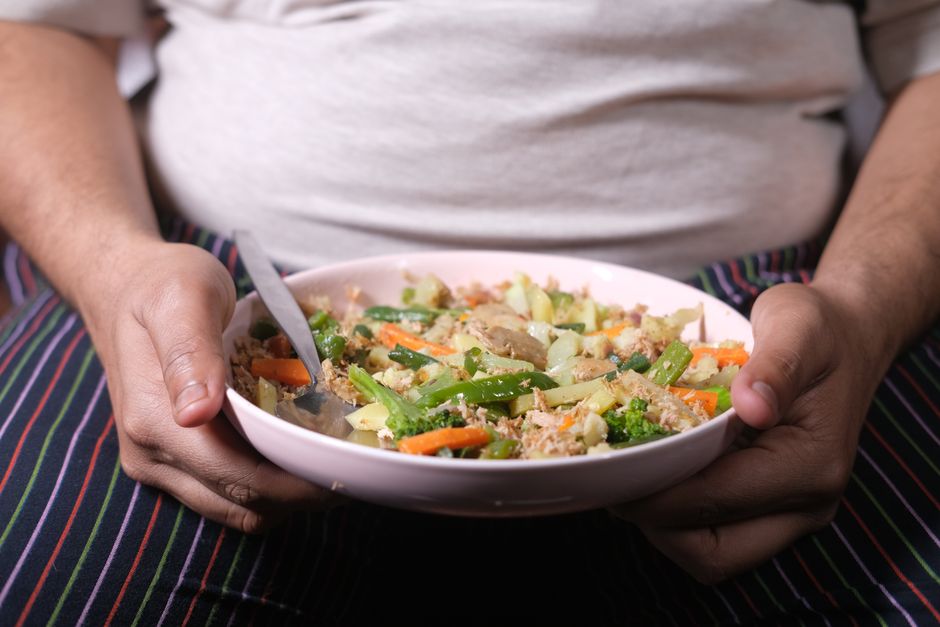
Chinese food is a popular takeout choice, but its reputation for being healthy is complicated. Whether it helps or hurts your weight loss goals depends almost entirely on what you order and how it is prepared. The honest answer is that some Chinese dishes are excellent for weight loss, while others are as calorie-dense as fast food burgers. The difference comes down to cooking methods, sauces, and portion sizes.
Is Chinese Food Healthy For Weight Loss?
The short answer is yes, but only for certain dishes. Steamed vegetables, lean proteins like chicken or shrimp, and broth-based soups are genuinely weight-loss friendly. These foods are high in protein and fiber while being relatively low in calories.
The problem is that many popular Chinese dishes are fried, battered, or coated in sugar-heavy sauces. General Tso’s chicken, sweet and sour pork, and crab rangoon are not healthy options by any standard. A single serving of these dishes can contain more calories and fat than a fast food meal.
Research consistently shows that restaurant Chinese food tends to be higher in sodium and refined carbohydrates than home-cooked versions. The same dish can vary dramatically in calories depending on the restaurant and the chef.
What Makes Chinese Food High in Calories?
Three main factors drive up the calorie content in Chinese takeout: frying, sauce, and portion size.
Frying is the biggest offender. Many proteins are battered and deep-fried before being added to a dish. This process adds significant calories and unhealthy fats. Even vegetables can be fried in large amounts of oil.
Sauces are the second major issue. Sweet and sour sauce, orange sauce, and general Tso’s sauce are all heavily sweetened. They often contain corn syrup or sugar as a primary ingredient. A few tablespoons of these sauces can add 100 to 200 calories to an otherwise healthy dish.
Portion size matters more than most people realize. A typical takeout container holds two to three servings. If you eat the whole container, you are consuming two or three times the calories you might expect.
Which Chinese Dishes Are Best for Weight Loss?
Some dishes are genuinely good choices when you are trying to lose weight. These options are typically steamed, stir-fried with minimal oil, or broth-based.
- Steamed chicken and broccoli — high in protein and fiber, low in calories if you use sauce sparingly
- Hot and sour soup — broth-based and relatively low in calories
- Moo goo gai pan — chicken with mushrooms and vegetables in a light sauce
- Shrimp with garlic sauce — typically stir-fried with vegetables, not battered
- Buddha’s delight — a vegetable dish that is often steamed or lightly stir-fried
The key is to ask for these dishes without fried noodles or rice on the side. Request sauce on the side so you control how much you use. Ask for extra vegetables and less meat if you want to cut calories further.




Which Chinese Dishes Should You Avoid for Weight Loss?
Certain dishes are consistently high in calories, fat, and sodium. These are the ones to avoid if weight loss is your goal.
Fried rice is one of the worst options. It is made with white rice, eggs, oil, and often pork or shrimp. A single serving can contain over 500 calories. Egg rolls and spring rolls are also fried and calorie-dense.
General Tso’s chicken is a classic example of an unhealthy Chinese dish. The chicken is battered, deep-fried, and then coated in a sweet sauce. One serving can exceed 1,000 calories.
Sweet and sour pork follows the same pattern. The pork is battered and fried, then coated in a sugary sauce. The same applies to orange beef and lemon chicken.
Crab rangoon and other fried appetizers are pure calorie bombs. These cream cheese-filled wontons are deep-fried and served with sweet dipping sauce.
How to Order Chinese Food for Weight Loss
You can make almost any Chinese restaurant work for weight loss with the right ordering strategy. The following guidelines apply to most sit-down and takeout Chinese restaurants.
Ask for your dish steamed instead of fried. Many restaurants will steam chicken, shrimp, or tofu with vegetables on request. This can cut the calorie content of a dish by half or more.
Request sauce on the side. This simple request gives you control over how much sauce you eat. Use a small amount for flavor rather than letting the dish swim in it.
Choose brown rice over white rice when possible. Brown rice has more fiber and takes longer to digest, which helps with fullness. Even better, ask for extra vegetables instead of rice.
Start with a broth-based soup. Hot and sour soup or egg drop soup can help fill you up before the main course, reducing the total amount you eat.
Skip the appetizers. Spring rolls, dumplings, and ribs are all calorie-dense before the main course even arrives.
Portion Control Strategies That Work
Even a healthy Chinese dish can derail weight loss if you eat too much of it. Portion control is often the deciding factor between a weight-loss-friendly meal and a calorie-heavy one.
A single serving of protein should be about the size of your palm. A serving of vegetables should be about the size of your fist. A serving of rice should be about the size of a tennis ball.
Box up half your meal before you start eating. Takeout containers make this easy. Split the container in half and put one portion in the refrigerator immediately.
Use chopsticks instead of a fork. This naturally slows down your eating pace, giving your brain time to register fullness. Studies have shown that eating more slowly is associated with eating less overall.
Is Chinese Food Better Than Other Takeout Options?
Compared to other takeout options, Chinese food can be either better or worse depending on what you order. The comparison is not straightforward.
Compared to pizza, a steamed vegetable and chicken dish is clearly healthier. It has more protein, more fiber, and fewer calories per serving. But a plate of lo mein can have as many calories as several slices of pizza.
Compared to burgers and fries, some Chinese dishes are better choices. Stir-fried vegetables with lean protein offer more nutritional value than a burger. But General Tso’s chicken is nutritionally similar to a double cheeseburger.
The key insight is that no cuisine is inherently healthy or unhealthy. The specific dish and how it is prepared determine its nutritional value.
Treatment Options for Weight Loss Beyond Diet
Diet is only one part of weight loss. For many people, lasting weight loss requires a broader approach that includes physical activity, behavior changes, and sometimes medical treatment.
Physical activity is essential. The American College of Sports Medicine recommends at least 150 minutes of moderate-intensity exercise per week for weight management. This can include brisk walking, cycling, or swimming.
Behavioral strategies help with long-term success. Keeping a food diary, setting specific goals, and identifying emotional eating triggers are all evidence-based approaches.
Medical treatments are available for people who meet certain criteria. Weight loss medications are approved for adults with a body mass index of 30 or higher, or 27 or higher with obesity-related conditions. These medications are not a replacement for diet and exercise, but they can be part of a comprehensive treatment plan.
Surgical options exist for severe obesity. Bariatric surgery is generally considered for people with a BMI of 40 or higher, or 35 or higher with serious health complications. These procedures are major operations and require lifelong follow-up care.
No single treatment works for everyone. The most effective approach combines dietary changes, physical activity, and behavioral support. If you are struggling with weight loss, talk to a healthcare provider about what options are appropriate for your situation.
Frequently Asked Questions
Can I eat Chinese food every week and still lose weight?
Yes, if you choose steamed dishes, control portions, and limit high-calorie sauces. The key is consistency across all your meals, not just the one takeout order.
Is white rice or brown rice better for weight loss?
Brown rice is better because it has more fiber and takes longer to digest. But portion size matters more than the type of rice you choose.
Are vegetable dishes from Chinese restaurants always healthy?
No, many vegetable dishes are stir-fried in large amounts of oil or coated in sugary sauces. Ask for vegetables steamed or lightly stir-fried with minimal sauce.
How many calories are in a typical Chinese takeout meal?
A typical takeout container of General Tso’s chicken with fried rice can exceed 1,500 calories. A steamed chicken and broccoli dish with brown rice is usually under 600 calories.
