
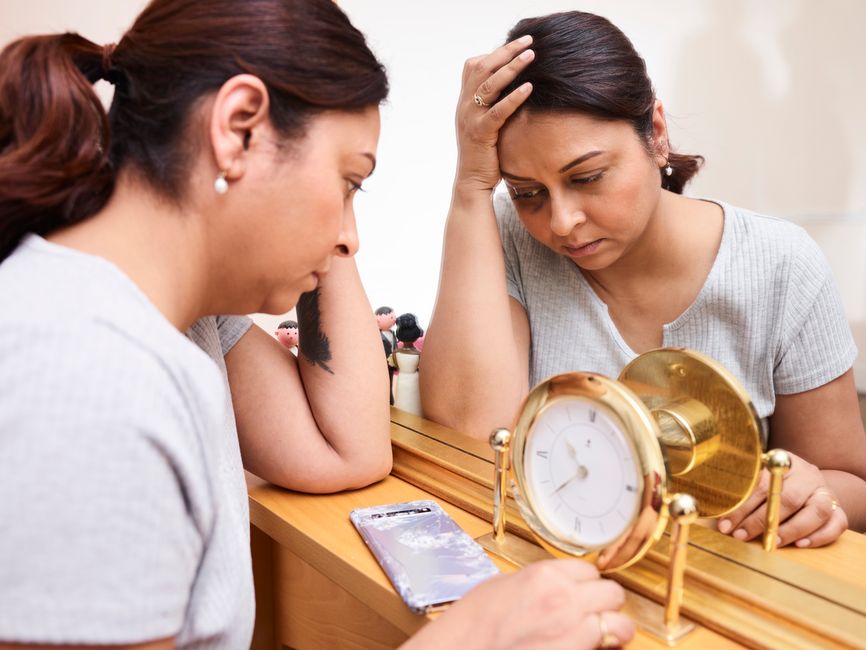
Yes, menopause can cause fatigue. The hormonal shifts of perimenopause and menopause—especially the decline in estrogen and progesterone—directly affect sleep, body temperature, and energy regulation. Fatigue during this transition is common, often severe, and frequently under-treated. It is a real symptom of a real biological process, not simply a sign of getting older or being busy.
Why Does Menopause Cause Fatigue?
The drop in estrogen does more than trigger hot flashes. Estrogen influences brain chemistry, including the areas that regulate sleep, mood, and energy. When estrogen levels fluctuate and fall, many women experience disrupted sleep architecture—meaning the brain spends less time in the deep, restorative stages of sleep.
Progesterone also declines. Progesterone has a calming effect on the brain and promotes sleep. Lower levels can make falling asleep harder and sleep lighter. The combination of lower estrogen and progesterone creates a perfect setup for fatigue.
There is also a direct effect on the body’s stress response. Changing hormone levels can alter cortisol patterns, leaving some women feeling wired but exhausted. The body is essentially running on a stressed-out nervous system while getting poor quality rest.
How Hot Flashes and Night Sweats Disrupt Sleep
Night sweats are not just uncomfortable. They fragment sleep. A woman may wake briefly—sometimes without even realizing it—multiple times per night as her body temperature spikes and then drops. These micro-awakenings prevent the brain from cycling through deep sleep phases.
Research consistently shows that women with frequent vasomotor symptoms—the clinical term for hot flashes and night sweats—report worse sleep quality and more daytime fatigue than women without them. The fatigue is not simply from being awake; it is from never reaching the restorative stages of sleep that the body needs to function.
Some women wake fully drenched and need to change clothes or sheets. That fully interrupts sleep and makes the next day significantly harder. Even one or two such episodes per night can leave a person feeling exhausted by mid-morning.
What Does Menopause Fatigue Feel Like?
Menopause fatigue is different from ordinary tiredness. Women often describe it as a bone-deep exhaustion that does not improve with rest. You can sleep eight hours and still wake up feeling like you barely rested. This is because the sleep you got was not restorative sleep.
The fatigue can also feel mental. Many women report brain fog alongside physical exhaustion—difficulty concentrating, forgetfulness, and trouble finding words. These symptoms often occur together because they share the same underlying hormonal shifts. The brain is sensitive to estrogen, and when levels decline, cognitive and physical energy often decline together.
This fatigue can be unpredictable. Some days are manageable. Other days, even simple tasks feel overwhelming. That unpredictability is itself stressful and can make planning daily life harder.





How Long Does Menopause Fatigue Last?
There is no fixed timeline. Perimenopause—the transition phase before the final menstrual period—can last anywhere from a few years to a decade. Fatigue can begin during this phase, often before periods have stopped entirely. For many women, symptoms peak in the late perimenopause stage and the first year or two after the final period.
After menopause, some women find their energy gradually returns as hormone levels stabilize at their new low baseline. Others continue to experience fatigue for years. The duration depends on individual factors, including how severely sleep is disrupted and whether other underlying conditions are present.
It is important to note that fatigue during menopause is not permanent in the sense that it defines your life. Many women find effective relief through treatment. But the timeline varies significantly from person to person.
Can Menopause Cause Fatigue Even Without Hot Flashes?
Yes. Not every woman experiences hot flashes, but fatigue can still occur. The hormonal effects on brain chemistry and sleep architecture happen independently of vasomotor symptoms. Some women have no night sweats at all yet still struggle with disrupted sleep and daytime exhaustion.
Sleep studies on perimenopausal women have found that even those without hot flashes show changes in sleep quality compared to premenopausal women. The hormonal shift itself appears to affect sleep regulation. So a woman can have zero hot flashes and still feel profoundly fatigued.
This is worth knowing because many women—and some clinicians—assume fatigue must be linked to visible symptoms like night sweats. It is not. If you are in the menopause transition and fatigued, the fatigue is legitimate even if you have no other classic symptoms.
Other Causes of Fatigue During Menopause
Menopause is a common cause of fatigue at this life stage, but it is not the only one. The same age range brings other health conditions that cause fatigue. It is worth considering these, especially if fatigue is severe or persistent.
Common conditions that can overlap with menopause include:
- Thyroid disorders—hypothyroidism is more common in women over 40 and causes fatigue directly
- Iron deficiency or anemia—heavy periods during perimenopause can deplete iron stores
- Vitamin D deficiency—common in this age group and linked to muscle fatigue
- Sleep apnea—risk increases around menopause, partly due to hormonal changes and weight gain
- Depression and anxiety—more common during the menopause transition and a direct cause of fatigue
If you are experiencing fatigue, it is reasonable to ask your clinician to check thyroid function, iron levels, and vitamin D. These are simple blood tests. Identifying an additional treatable cause can make a significant difference in how you feel.
What Helps Menopause Fatigue?
Treatment depends on the cause. If night sweats are disrupting sleep, addressing them often improves fatigue. Menopausal hormone therapy—sometimes called HRT or MHT—is the most effective treatment for vasomotor symptoms. For many women, reducing night sweats leads to better sleep and more daytime energy.
Clinical guidelines generally support hormone therapy for women in their 50s or within 10 years of menopause who have bothersome vasomotor symptoms. The decision is individual. It depends on your health history, risk factors, and personal preference. A clinician can help weigh the benefits and risks for your specific situation.
Non-hormonal options also exist. Some prescription medications reduce hot flashes and night sweats. Cognitive behavioral therapy has been shown in trials to improve sleep and reduce the distress of vasomotor symptoms. These options matter for women who cannot or prefer not to take hormones.
Lifestyle changes can help but are rarely a complete fix. Regular exercise improves sleep quality and energy. Keeping a consistent sleep schedule matters. Cooling strategies—like layered bedding, a cool room, and breathable fabrics—can reduce the impact of night sweats. Caffeine and alcohol close to bedtime tend to make sleep worse and are worth limiting.
No single approach works for everyone. Many women need a combination of strategies. Start with the basics: good sleep hygiene, regular movement, and addressing any underlying conditions like anemia or thyroid issues. Then talk to a clinician about whether hormone therapy or another medical option is right for you.
When to Talk to a Doctor About Fatigue
Fatigue is worth a medical conversation if it lasts more than a few weeks, interferes with daily life, or is accompanied by other symptoms. This is especially true if fatigue is sudden, severe, or worsening. Those features can point to conditions beyond menopause that need attention.
Bring a list of your symptoms to the appointment. Note when fatigue started, how it feels, what makes it worse, and how it affects your sleep. Mention any night sweats, mood changes, or memory issues. This information helps your clinician distinguish menopause-related fatigue from other causes.
Ask for specific blood tests if they have not been done recently. Thyroid function, complete blood count, iron studies, and vitamin D are reasonable starting points. These are standard tests and can rule out common contributors to fatigue that are easily treated.
Do not accept the idea that fatigue is just part of getting older. It is not. Menopause-related fatigue is treatable, and other causes are often treatable too. You do not have to simply push through it.
Frequently Asked Questions
How long does menopause fatigue last?
It varies widely. Fatigue can begin in perimenopause and last through the transition, which can take several years. Some women improve after menopause, while others continue to feel fatigued for years.
Why do I feel tired all the time during menopause?
Declining estrogen and progesterone disrupt sleep architecture and brain chemistry, leading to non-restorative sleep and daytime exhaustion. Night sweats can also fragment sleep even if you do not fully wake up.
Can menopause cause fatigue without night sweats?
Yes. Hormonal changes affect sleep and energy independently of hot flashes. Some women have no vasomotor symptoms at all but still experience significant fatigue.
What vitamins help with menopause fatigue?
Vitamin D and iron are worth checking if you are fatigued, as deficiencies are common in this age group. No vitamin has been proven to cure menopause fatigue itself, so focus on correcting any actual deficiencies first.
