
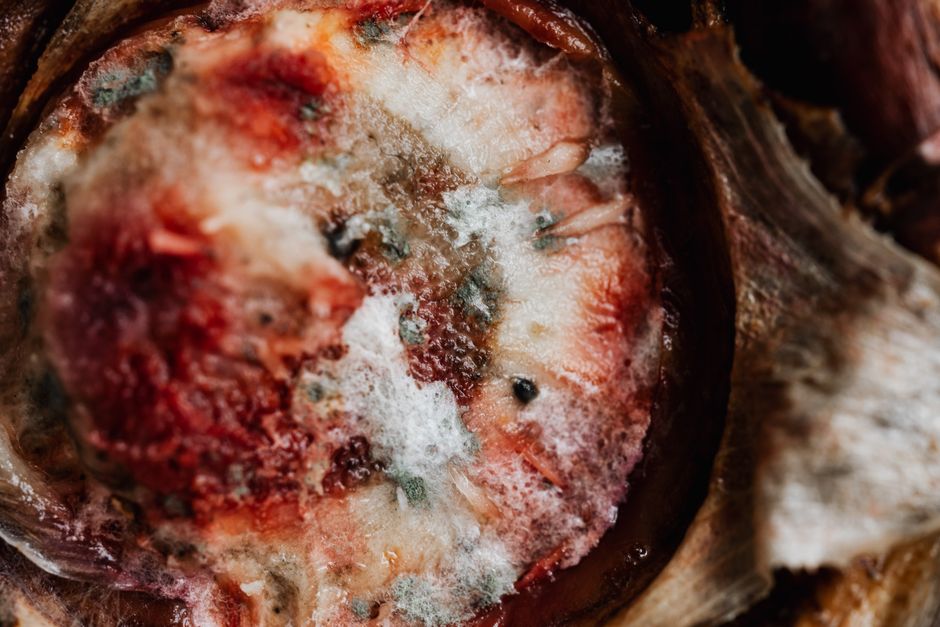
Contaminated food is food that contains harmful germs, chemicals, or foreign objects that can make you sick. It is a major public health issue that affects millions of people every year. The main causes of contamination are poor handling, improper storage, and lack of cooking. The types of contamination are biological, chemical, and physical. Prevention relies on clean hands, proper temperatures, and separating raw foods from ready-to-eat foods.
What Are the Main Causes of Food Contamination?
Food becomes contaminated when something harmful gets into it. This can happen at any point from the farm to your fork. The most common cause is poor hygiene during food preparation.
People who do not wash their hands after using the bathroom can transfer bacteria to food. This is a leading cause of foodborne illness. Raw meat and poultry can also contaminate other foods when their juices drip onto surfaces or other items. This is called cross-contamination.
Temperature abuse is another major cause. Food left out at room temperature for too long allows bacteria to multiply rapidly. The danger zone for bacterial growth is between 40°F and 140°F. Perishable foods should not stay in this range for more than two hours.
Contaminated water used to wash produce or make ice can introduce germs. So can soil that contains pathogens. Animals that carry bacteria can contaminate crops in the field. This is why washing fresh produce is important even if you plan to peel it.
What Are the Types of Food Contamination?
There are three main types of contamination. Each one enters food through different routes and causes different kinds of illness.
Biological Contamination
Biological contamination is the most common type. It involves living organisms like bacteria, viruses, and parasites. It also includes toxins these organisms produce.
Common bacteria include Salmonella, E. coli, and Listeria. Norovirus is a highly contagious virus that spreads through food. Parasites like Toxoplasma and tapeworms can also contaminate food. These germs usually come from animal feces, contaminated water, or infected food handlers.
Symptoms of biological contamination include vomiting, diarrhea, fever, and stomach cramps. Symptoms can appear within hours or take days to develop. Most healthy adults recover without treatment, but young children, older adults, and pregnant women face higher risk.
Chemical Contamination
Chemical contamination happens when cleaning products, pesticides, or heavy metals get into food. This can occur during growing, processing, or storage. Improperly rinsed produce may carry pesticide residue. Food stored in containers not meant for food can leach chemicals.
Some fish contain high levels of mercury, which is a chemical contaminant. This is why pregnant women are advised to limit certain fish. Cleaning supplies stored near food can accidentally spill or splash onto edible items.
Chemical contamination often does not change the look, smell, or taste of food. You cannot tell it is present. Symptoms vary widely depending on the chemical involved.
Physical Contamination
Physical contamination happens when foreign objects get into food. This includes glass, metal shards, plastic pieces, bone fragments, or hair. These objects usually enter food during processing or preparation.
Physical contaminants can cause cuts to the mouth or throat. They can also damage teeth. Most physical contamination is discovered before anyone eats the food. But small objects can be swallowed accidentally.
How Does Food Contamination Make You Sick?
When you eat contaminated food, the germs or toxins enter your digestive system. Bacteria can multiply in your intestines and produce toxins. These toxins damage the lining of the gut and cause inflammation.
Your body responds by trying to flush out the invaders. This leads to vomiting and diarrhea. Fever is the immune system raising your body temperature to fight the infection.
Some germs invade deeper tissues. Listeria can cross the intestinal wall and enter the bloodstream. From there it can reach the nervous system. Salmonella can do the same in severe cases. This is why food poisoning can occasionally become a serious condition requiring hospital care.
Dehydration is the most common complication. Losing fluids through vomiting and diarrhea can lead to dangerous electrolyte imbalances. This is especially risky for infants and the elderly.


What Are the Most Common Contaminated Foods?
Certain foods are linked to contamination more often than others. These foods provide ideal conditions for bacteria to grow or are eaten raw.
- Raw poultry — frequently carries Salmonella and Campylobacter
- Raw eggs — can contain Salmonella on the shell or inside
- Ground beef — grinding can spread E. coli from the surface into the meat
- Raw milk and unpasteurized dairy — can carry Listeria, Salmonella, and E. coli
- Fresh produce — leafy greens, sprouts, and melons can carry germs from soil or water
- Raw shellfish — oysters and clams can carry norovirus and Vibrio bacteria
- Deli meats and hot dogs — can harbor Listeria, which grows even in refrigeration
- Prepared salads — potato salad, coleslaw, and pasta salad can grow bacteria if left out
This list does not mean you should avoid these foods. It means you must handle and cook them properly. Washing produce and cooking meat to the right temperature kills most harmful germs.
How Can You Prevent Food Contamination at Home?
Prevention starts with clean hands. Wash your hands with soap and warm water for at least 20 seconds before handling food. Wash them again after touching raw meat, using the bathroom, or handling pets.
Keep raw meat separate from other foods. Use different cutting boards for raw meat and fresh produce. Store raw meat on the bottom shelf of the refrigerator so juices cannot drip onto other foods.
Cook food to safe internal temperatures. Use a food thermometer to check. Poultry should reach 165°F. Ground meats should reach 160°F. Steaks and roasts should reach 145°F with a three-minute rest time.
Refrigerate leftovers promptly. Do not leave perishable food out for more than two hours. If the room is above 90°F, reduce that time to one hour. Divide large pots of food into shallow containers so they cool quickly.
Wash produce under running water before eating. This includes fruits with rinds you do not eat, like melons and oranges. Scrubbing firm produce with a clean brush removes more dirt and germs.
Pay attention to recalls. When a food recall happens, check your kitchen for the affected product. Follow the recall instructions exactly. Do not taste food that has been recalled to check if it is safe.
What Should You Do If You Get Food Poisoning?
Most cases of food poisoning resolve on their own within a few days. The main goal is to stay hydrated. Sip water, clear broths, or oral rehydration solutions. Avoid dairy, caffeine, and sugary drinks until you recover.
Do not take anti-diarrheal medication without asking a doctor. Some infections get worse when you stop the diarrhea because your body cannot flush out the bacteria. Let the illness run its course unless a healthcare provider advises otherwise.
Seek medical care if you have a fever above 102°F, blood in your stool, or signs of dehydration. Signs of dehydration include dry mouth, dark urine, and dizziness when standing. Seek care immediately if you cannot keep fluids down for more than 24 hours.
High-risk groups should contact a doctor early. This includes pregnant women, infants, older adults, and people with weakened immune systems. These groups can develop severe complications from infections that would be mild in healthy adults.
What Is the Difference Between Food Infection and Food Intoxication?
People often use these terms interchangeably, but they are different. A food infection happens when you eat live bacteria that multiply inside your body. Salmonella and Campylobacter cause food infections. Symptoms usually take 12 to 72 hours to appear because the bacteria need time to grow.
Food intoxication happens when you eat toxins that bacteria already produced in the food. Staphylococcus aureus and Clostridium botulinum cause food intoxication. Symptoms appear much faster, sometimes within one to six hours. The toxin is already in the food when you eat it, so your body reacts immediately.
This distinction matters for treatment. Food infections may respond to antibiotics in severe cases. Food intoxications do not respond to antibiotics because the toxin is the problem, not live bacteria. Antibiotics would not neutralize an existing toxin.
Frequently Asked Questions
How long after eating contaminated food do you get sick?
Symptoms can start anywhere from one hour to several days after eating contaminated food. The timing depends on whether the food contained pre-formed toxins or live bacteria that need time to multiply.
Can you tell if food is contaminated by looking at it?
No, you usually cannot tell. Most contaminated food looks, smells, and tastes normal. Bacteria and chemicals are invisible to the naked eye.
Is it safe to eat food that was left out overnight?
No, perishable food left out for more than two hours should be thrown away. Bacteria multiply rapidly at room temperature, and reheating does not always destroy the toxins they produced.
Does washing raw chicken remove bacteria?
No, washing raw chicken does not remove bacteria and can actually spread it around your kitchen. Cooking chicken to an internal temperature of 165°F is the only way to kill harmful bacteria.
