
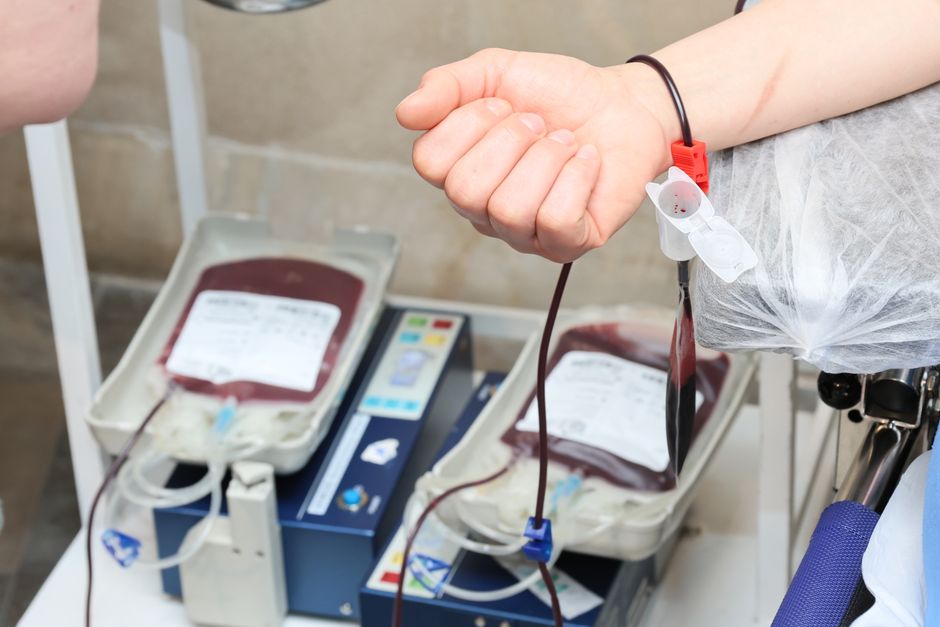
The rarest type of blood is Rh-null, often called “golden blood.” Fewer than 50 people worldwide are known to have it. It is so rare that only about 43 cases have been documented since it was first identified in 1961. Rh-null means the blood lacks all 61 possible Rh antigens, making it the universal plasma donor for anyone with a rare blood type — but incredibly difficult for the person who has it to receive a transfusion if they ever need one.
What Makes Rh-Null Blood So Rare?
Blood type is determined by antigens — proteins and sugars on the surface of red blood cells. The ABO system (A, B, AB, O) and the Rh system (positive or negative) are the most well-known. But there are hundreds of other antigens beyond those two systems.
Rh-null blood is missing every single antigen in the Rh system. That includes the D antigen (which determines whether you are Rh positive or negative) and dozens of others. When your blood has none of these antigens, it cannot be typed as simply positive or negative. It is its own category entirely.
This condition is caused by a rare genetic mutation. Both parents must pass on the mutation for a child to inherit Rh-null. Even then, the odds are extraordinarily low. The gene that controls Rh antigen production is silenced completely, so no Rh antigens are ever made.
How Rare Is Rh-Null Compared to Other Blood Types?
To understand how rare Rh-null is, compare it to the more familiar rare types. O-negative is often called the “universal donor” because it can be given to anyone. About 7% of the US population has O-negative blood. That makes it common compared to the truly rare types.
Other rare blood types exist within the ABO system. For example, the Bombay blood type (hh) is found in about 1 in 1 million people worldwide. It is rare, but it is far more common than Rh-null.
Rh-null is estimated to occur in about 1 in 6 million people. However, this number is not exact because many cases likely go undetected. People with Rh-null usually only discover it when they donate blood or need a transfusion and their blood is sent for advanced typing.
Why Is Rh-Null Called Golden Blood?
The nickname “golden blood” comes from its extreme value. Because it lacks all Rh antigens, Rh-null blood can be transfused into almost anyone with a rare blood type who has developed antibodies against other Rh antigens. For those patients, Rh-null is the only compatible match.
This makes Rh-null plasma and red blood cells incredibly valuable to blood banks. Some national blood services actively maintain registries of Rh-null donors. They contact these donors when a patient with a matching rare blood profile needs blood.
But the value cuts both ways. A person with Rh-null blood can donate to others, but they can only receive blood from another Rh-null donor. If they ever need a transfusion, finding a match is extremely difficult. Their immune system will attack any blood that has Rh antigens, which is essentially all other blood on Earth.




What Are the Health Risks of Having Rh-Null Blood?
Having Rh-null blood is not a disease. People with this blood type live normal, healthy lives. The risks only appear if they need medical care involving blood.
If a person with Rh-null blood needs surgery, suffers trauma, or develops a condition requiring transfusion, their options are severely limited. Blood banks may need to source frozen Rh-null units from international rare blood registries. This can take time — sometimes days — which is dangerous in an emergency.
There is also a documented association between Rh-null and mild hemolytic anemia. Some studies suggest that the missing Rh antigens affect red blood cell membrane stability. The cells may be slightly more fragile, leading to a mild, chronic breakdown of red blood cells. In most cases, this is not serious enough to require treatment.
How Do Blood Banks Handle Rh-Null Blood?
Blood banks do not store Rh-null blood like regular donations. Because it is so rare, they freeze it. Frozen red blood cells can be stored for up to 10 years. This preserves the supply for patients who specifically need it.
International rare blood registries exist to coordinate these donations. The International Society of Blood Transfusion maintains a global database. When a patient with Rh-null blood needs a transfusion, hospitals contact these registries to locate a compatible donor.
Donors with Rh-null blood are often encouraged to donate regularly. Their donations are a lifeline for the small number of patients worldwide who depend on this blood type. Some Rh-null donors have donated for decades, making them invaluable to the global medical community.
How Do You Find Out If You Have a Rare Blood Type?
Standard blood typing only checks for ABO and RhD antigens. It will not detect Rh-null or most other rare types. If your blood type is needed for a specialized procedure, or if you develop antibodies after a transfusion, a reference laboratory may perform extended antigen typing.
This is a more detailed test that looks at dozens of additional antigens. It is not routine. Most people will never have this test done unless there is a specific medical reason.
If you are curious about rare blood types, you can ask your doctor about a blood type card or extended phenotyping. But for most people, the standard blood type test is sufficient. Rare blood types are exactly that — rare. The probability that you have one is very low.
What Is the Most Common Blood Type?
For context, the most common blood type in the US is O-positive. About 38% of the population has it. A-positive is second at about 34%. These two types together account for nearly three-quarters of the US population.
AB-negative is the rarest of the standard eight blood types, found in about 1% of people. But even AB-negative is common compared to Rh-null. There are likely millions of people with AB-negative blood in the world. There are fewer than 50 known people with Rh-null.
Blood type distribution also varies by ethnicity. For example, B-positive is more common in Asian populations than in Caucasian populations. But no ethnicity has a higher rate of Rh-null. It appears to occur randomly across all populations.
Can You Donate Blood If You Have a Rare Type?
Yes. In fact, people with rare blood types are strongly encouraged to donate. Their donations can save lives that no other blood type could save.
If you discover you have a rare blood type, contact your local blood bank. They may add you to a rare donor registry. You can then be contacted when your blood type is needed.
Regular blood donation is safe for people with Rh-null. The mild hemolytic anemia associated with the condition does not prevent donation. However, each donor is evaluated individually to ensure they meet general donation criteria.
Is Rh-Null the Only Extremely Rare Blood Type?
No. Rh-null is the rarest overall, but other rare types exist. The Bombay phenotype is one example. People with this type lack the H antigen, which is the precursor to A and B antigens. They can only receive blood from other Bombay phenotype donors.
There are also rare types within other blood group systems, such as the Duffy, Kell, and Kidd systems. Each of these has antigens that can cause transfusion reactions if mismatched. Some are more common in specific populations.
What makes Rh-null uniquely rare is that it is a complete absence of an entire blood group system. Other rare types usually involve missing one or a few antigens. Rh-null is missing all of them.
Frequently Asked Questions
What is the rarest blood type in the world?
Rh-null is the rarest blood type, with fewer than 50 documented cases worldwide. It is sometimes called golden blood because of its extreme rarity and medical value.
Can Rh-null blood be given to anyone?
Rh-null red blood cells can be given to patients with rare blood types who have antibodies against other Rh antigens. However, it is not a universal donor for everyone, and it is reserved for patients who have no other compatible match.
How do I know if I have a rare blood type?
Standard blood tests only check for ABO and RhD antigens, so they will not detect rare types. Extended antigen testing at a reference laboratory is required to identify rare blood types.
Is Rh-null blood dangerous to have?
Having Rh-null blood is not dangerous in daily life. The main risk is that if you ever need a transfusion, finding compatible blood is extremely difficult and may take time.
