
If you have nerve pain, numbness, or tingling in your feet or hands, you have probably searched for something that helps. The honest answer is that what’s good for neuropathy depends on the cause. For the most common type — diabetic peripheral neuropathy — the strongest evidence supports controlling blood sugar, managing pain with specific medications, and protecting your feet from injury. No supplement or device has been proven to reverse nerve damage.
That is not a comforting answer. It is an accurate one. Neuropathy is a symptom with many possible causes, and the treatment that works depends entirely on which cause applies to you.
What Is Neuropathy and Why Does It Happen?
Neuropathy means damage or dysfunction in the peripheral nerves — the nerves outside your brain and spinal cord that carry signals between your body and your central nervous system.
Peripheral nerves are long, fragile structures. Some run from your spine all the way to your toes. They can be damaged by high blood sugar, by toxic substances, by vitamin deficiencies, by autoimmune attacks, by compression, or by genetic conditions. Sometimes no cause is found, and the condition is called idiopathic neuropathy.
When nerves are damaged, they can misfire (causing pain, burning, or electric shocks) or fail to transmit signals correctly (causing numbness, weakness, or loss of balance). Many people have both. That combination — pain alongside numbness — is one of the more confusing aspects of neuropathy for patients. It can feel like your feet are both on fire and asleep at the same time.
Diabetes is the most common cause in the United States. Research consistently shows that chronically elevated blood glucose damages nerves over time, likely through multiple mechanisms including damage to small blood vessels that supply the nerves, oxidative stress, and accumulation of advanced glycation end products. The longer someone has diabetes and the less controlled their blood sugar, the higher the risk.
Other common causes include:
- Vitamin B12 deficiency, which can occur with certain diets, medications, or absorption problems
- Excessive alcohol use
- Chemotherapy medications
- Kidney disease
- Hypothyroidism
- Certain infections, including HIV and Lyme disease
- Compression or entrapment, such as carpal tunnel syndrome
- Inherited conditions like Charcot-Marie-Tooth disease
Finding the cause matters. Some causes are treatable, and treating the underlying problem can stop progression or, in some cases, allow partial recovery.
What’s Good for Neuropathy: What Actually Has Evidence
The most effective approach to neuropathy is treating what caused it. That sounds obvious, but it is often overlooked in favor of supplements and devices that have no supporting evidence.
If diabetes is the cause, blood sugar control is the single most important intervention. The Diabetes Control and Complications Trial, published in the New England Journal of Medicine, found that intensive glucose control significantly reduced the development and progression of diabetic peripheral neuropathy in people with type 1 diabetes. Similar findings have been reported in type 2 diabetes studies, though the effect appears somewhat smaller.
If vitamin B12 deficiency is the cause, replacing B12 can improve symptoms — sometimes substantially, especially if the deficiency is caught before permanent nerve damage occurs. B12 deficiency is more common in people who take metformin long-term, follow a strict vegan diet without supplementation, or have conditions that affect nutrient absorption.
If alcohol is the cause, stopping alcohol use can halt progression. Recovery varies and is often incomplete.
If hypothyroidism is the cause, treating the thyroid condition may help.
For pain relief specifically, several medications have evidence from clinical trials:
- Duloxetine — an antidepressant that also reduces nerve pain; approved by the FDA for diabetic peripheral neuropathic pain
- Pregabalin — an anticonvulsant approved for diabetic neuropathy and postherpetic neuralgia
- Gabapentin — widely prescribed for neuropathy, though its evidence for this use is somewhat weaker than pregabalin’s
- Amitriptyline and nortriptyline — tricyclic antidepressants with established evidence for neuropathic pain
- Topical lidocaine — a patch or gel that can help with localized pain
- Capsaicin cream — derived from chili peppers; some evidence supports low-concentration versions for neuropathic pain, though results vary
These medications reduce pain. None of them repair nerves or reverse the underlying damage. That distinction matters when evaluating claims.
Do Supplements Help Neuropathy?
This is where the gap between marketing and evidence becomes widest.
Alpha-lipoic acid has been studied for diabetic neuropathy. Some European research suggests it may reduce symptoms, and it is approved for this use in Germany. However, the evidence is mixed, and the American Academy of Neurology has not issued a strong recommendation for it. Some clinicians recommend it; it is not standard first-line treatment.
Benfotiamine, a fat-soluble form of vitamin B1, has shown some promise in small studies. The evidence is not strong enough to recommend it as a primary treatment.
Methylcobalamin, a form of vitamin B12, is often marketed for neuropathy. If you have a B12 deficiency, it helps. If you do not, there is no evidence it provides benefit.
Other supplements commonly marketed for neuropathy — including acetyl-L-carnitine, N-acetylcysteine, and various herbal blends — have limited or no high-quality human trial evidence supporting their use.
The honest position: if you have a documented deficiency, correcting it helps. If you do not, most supplements sold for neuropathy have not been proven to work. Some are expensive. Some interact with medications. None are regulated by the FDA for treating neuropathy.





What About Devices and Other Treatments?
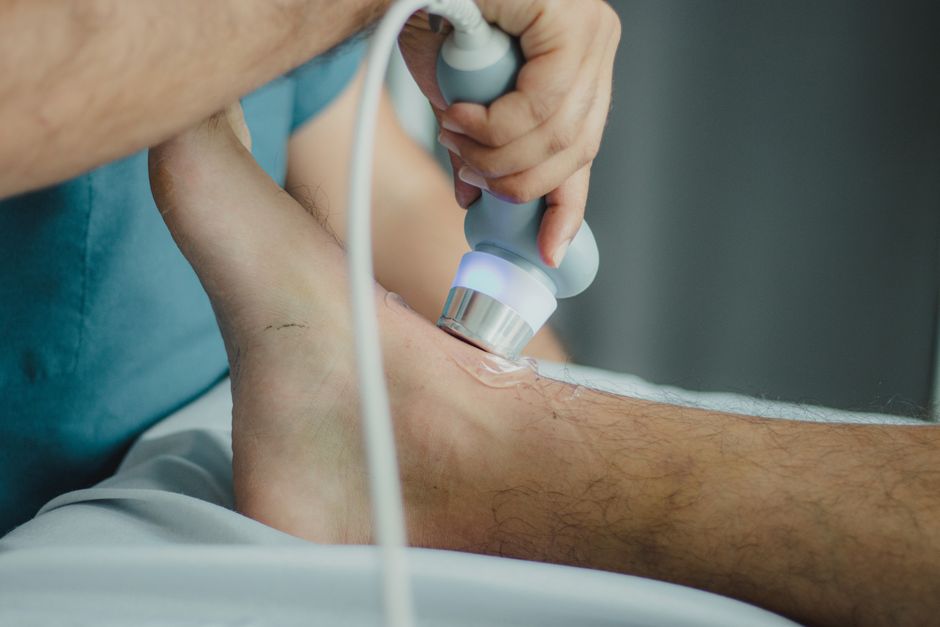
Transcutaneous electrical nerve stimulation (TENS) is sometimes used for neuropathic pain. The evidence is mixed. Some studies show benefit; others do not. It is generally considered safe when used properly.
Spinal cord stimulation is an option for severe, refractory neuropathic pain. It involves surgically implanting a device that delivers electrical impulses to the spinal cord. It is not a cure, and it does not work for everyone. It is typically reserved for cases where medications have failed.
Physical therapy can help with balance, strength, and gait problems caused by neuropathy. This is particularly important because neuropathy increases fall risk, and falls can cause serious injury.
Foot care is not glamorous, but it is one of the most important things you can do. Because neuropathy reduces sensation, you may not feel blisters, cuts, or infections. Daily foot checks, properly fitting shoes, and prompt attention to any wound can prevent ulcers and amputations. This is not optional advice — it is standard care for anyone with significant neuropathy.
What Does Not Help Neuropathy?
Several things are commonly marketed or recommended but lack evidence:
- Most “nerve support” supplements sold online
- Essential oils applied topically for nerve regeneration
- Magnetic therapy
- Most detox or cleanse protocols
- Any product claiming to “reverse” or “cure” neuropathy
If a product claims to cure neuropathy, it is making a claim that no treatment currently on the market can support. Nerve damage from most causes is not reversible once it is established. Some causes, if treated early, allow partial recovery. But “cure” is not an accurate word for any neuropathy treatment.
Can Neuropathy Be Reversed?
Sometimes, partially, if the cause is identified and treated early enough.
Vitamin B12 deficiency neuropathy can improve with replacement. Alcohol-related neuropathy can stabilize with abstinence. Diabetic neuropathy can slow or stop with tight glucose control. But in many cases, some degree of nerve damage remains.
The timeline matters. Nerves heal slowly, if they heal at all. Improvement, when it happens, typically takes months. Anyone promising rapid reversal is not being honest about the biology.
What Should You Do If You Have Neuropathy Symptoms?
See a doctor. Get a proper workup. Neuropathy is a symptom, not a diagnosis, and the underlying cause determines what will help.
A basic evaluation typically includes blood glucose testing, vitamin B12 levels, thyroid function, and a review of medications and alcohol use. Sometimes further testing is needed.
If you have diabetes, work with your doctor on glucose control. If you have a deficiency, correct it. If a medication is causing it, discuss alternatives. If no cause is found, focus on symptom management and foot protection.
Be skeptical of anyone selling a cure. Be patient with treatments that have evidence. And take care of your feet — that part is not optional.
Frequently Asked Questions
What is the best treatment for neuropathy?
The best treatment depends on the cause. For diabetic neuropathy, blood sugar control and medications like duloxetine or pregabalin have the strongest evidence.
Can neuropathy be reversed naturally?
Some causes, like vitamin B12 deficiency, can improve with treatment. Most neuropathy does not fully reverse, and no natural remedy has been proven to cure it.
What vitamins help neuropathy?
Vitamin B12 helps if you have a deficiency, which is more common with metformin use or certain diets. Other vitamins marketed for neuropathy lack strong evidence.
Is walking good for neuropathy?
Yes, walking can help with balance and circulation, but foot protection matters. Check your feet daily and wear properly fitting shoes.
