
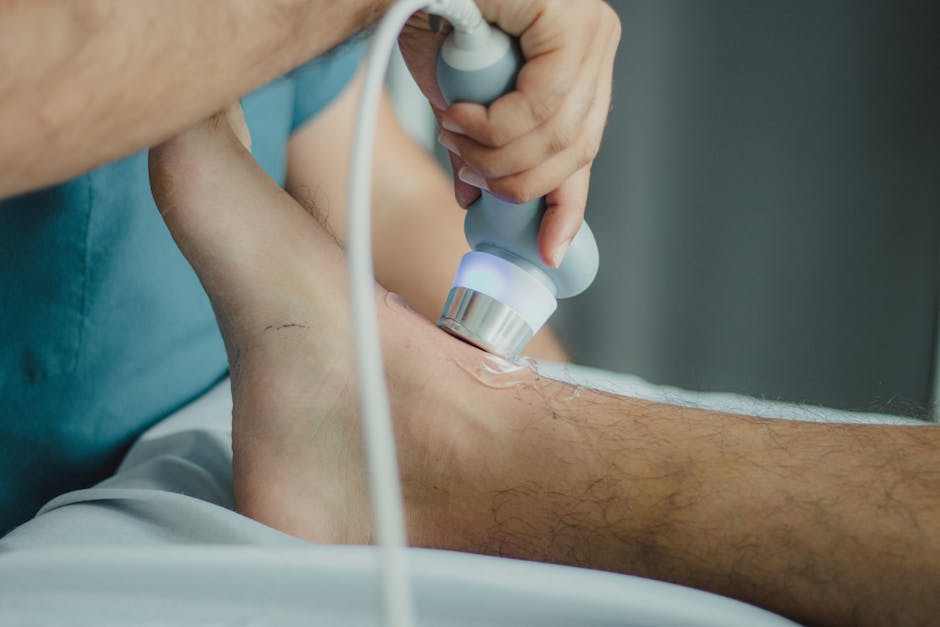
Neuropathy is nerve damage that disrupts how signals travel between your brain, spinal cord, and the rest of your body. When nerves malfunction or die, you lose normal sensation and control in the affected areas. This shows up as numbness, tingling, burning pain, or muscle weakness – most commonly in the hands and feet. Peripheral neuropathy, the most widespread form, affects nerves outside the brain and spinal cord. About 20 million Americans have some form of peripheral neuropathy, with diabetes causing roughly half of all cases.
What Causes Nerve Damage in Neuropathy?
Diabetes stands as the single biggest cause of neuropathy in the United States. High blood sugar levels over years damage the tiny blood vessels that feed nerves with oxygen and nutrients. Without adequate blood flow, nerve fibers deteriorate and eventually stop working. This process usually starts in the longest nerves first – those reaching your toes – which explains why diabetic neuropathy typically begins in the feet.
Beyond diabetes, dozens of other conditions trigger nerve damage. Autoimmune diseases like rheumatoid arthritis and lupus cause the immune system to attack nerve tissue directly. Infections including Lyme disease, shingles, and hepatitis C can inflame and damage nerves. Kidney disease allows toxic waste products to build up in the blood, poisoning nerve cells over time. Vitamin deficiencies, particularly B12 and B1, starve nerves of nutrients essential for maintaining their protective coating.
Physical trauma cuts or compresses nerves. Carpal tunnel syndrome compresses the median nerve at the wrist. Back injuries can pinch spinal nerves. Repetitive motions slowly damage nerves through constant friction. Chemotherapy drugs and other medications sometimes harm nerves as an unintended side effect. Alcohol abuse over many years directly poisons nerve tissue and depletes crucial B vitamins simultaneously.
In roughly 30 percent of cases, doctors cannot identify a specific cause despite thorough testing. These idiopathic cases frustrate both patients and physicians. The nerve damage is real and measurable, but the trigger remains unknown. Some of these cases likely involve genetic factors not yet fully understood.
What Are the Main Symptoms of Neuropathy?
Sensory symptoms dominate the neuropathy experience. Most people first notice tingling or numbness in their toes or fingertips. This “pins and needles” sensation might come and go initially, then become constant. As damage progresses, you may lose the ability to feel temperature changes or pain in affected areas. This creates serious injury risk – you might not notice a cut, blister, or burn until infection develops.
Burning pain ranks among the most distressing symptoms. Many describe it as feeling like their feet are on fire, especially at night. The pain can be constant or come in sharp, stabbing bursts. Some experience extreme sensitivity where even light touch from bedsheets causes pain, a condition called allodynia. Others develop shooting or electric shock-like pains that travel up the legs.
Motor symptoms affect muscle control and movement. Weakness typically starts in the feet and lower legs, making it harder to walk or climb stairs. You might trip more often or have trouble lifting your foot properly. Hand weakness makes it difficult to button shirts, open jars, or hold small objects. Muscle cramps and twitching occur frequently. In advanced cases, visible muscle wasting happens as nerves can no longer stimulate muscle fibers.
Autonomic symptoms appear when neuropathy damages nerves controlling automatic body functions. Blood pressure may drop suddenly when standing, causing dizziness or fainting. Digestive problems include bloating, constipation, or diarrhea. Some people cannot fully empty their bladder. Men may experience erectile dysfunction. Sweating patterns change – either excessive sweating or dangerously reduced sweating that impairs temperature regulation.
How Do Doctors Diagnose Neuropathy?
Diagnosis starts with a detailed medical history and physical examination. Your doctor checks reflexes, muscle strength, and ability to feel light touch, pinprick, vibration, and temperature. Reduced or absent ankle reflexes often signal nerve damage. Testing vibration sense with a tuning fork provides a quick screening tool. Loss of sensation in a “stocking and glove” pattern – affecting feet and hands symmetrically – strongly suggests peripheral neuropathy.
Blood tests identify many underlying causes. A hemoglobin A1C test measures average blood sugar over three months to detect diabetes. Vitamin B12 and folate levels reveal nutritional deficiencies. Thyroid function tests, kidney and liver panels, and screens for autoimmune markers help pinpoint specific conditions. Genetic testing becomes relevant if hereditary neuropathy runs in your family.
Nerve conduction studies measure how quickly and completely electrical signals travel through specific nerves. Electrodes on the skin deliver small electrical pulses while sensors record the nerve’s response. Slower conduction or reduced signal strength indicates nerve damage. This test quantifies severity and helps distinguish between different types of nerve problems.
Electromyography (EMG) evaluates electrical activity in muscles. A thin needle electrode inserted into muscles records their electrical patterns at rest and during contraction. Abnormal patterns reveal whether muscle problems stem from nerve damage or primary muscle disease. Combined with nerve conduction studies, EMG provides detailed mapping of where and how severely nerves are damaged.
Skin biopsy offers the most direct way to visualize small nerve fibers. A doctor removes several tiny skin samples, typically from the leg and one from elsewhere for comparison. Laboratory analysis counts nerve fiber density under a microscope. Reduced fiber density confirms small fiber neuropathy, particularly useful when standard nerve tests show normal results but symptoms persist.





What Treatments Actually Work for Neuropathy?
Treating the underlying cause represents the only way to stop neuropathy from progressing. For diabetics, maintaining blood sugar levels below 7 percent A1C consistently protects remaining healthy nerves. Research shows strict glucose control can prevent neuropathy development and slow existing damage. Vitamin B12 injections reverse deficiency-related neuropathy if caught early. Addressing autoimmune conditions with immunosuppressive medications can halt immune-mediated nerve damage.
Pain management becomes necessary when nerve damage cannot be reversed. Gabapentin and pregabalin, originally developed as anti-seizure medications, reduce nerve pain by calming overactive nerve signals. Studies show these drugs provide meaningful relief for roughly 30 to 40 percent of people. Duloxetine, an antidepressant that affects serotonin and norepinephrine, has FDA approval specifically for diabetic neuropathy pain. Clinical trials demonstrate it reduces pain more than placebo in about half of patients.
Topical treatments work for localized pain without systemic side effects. Capsaicin cream, made from chili peppers, depletes the chemical that transmits pain signals. It causes intense burning initially, but regular use over several weeks reduces pain for some people. Lidocaine patches numb painful areas temporarily. These work best for small affected areas rather than widespread neuropathy.
Opioid pain medications provide short-term relief but carry serious addiction risk with long-term use. Most pain specialists now recommend them only as a last resort for severe neuropathy pain that does not respond to other treatments. Tramadol, a weaker opioid, offers moderate pain relief with somewhat lower abuse potential. Still, dependency remains a real concern even with tramadol.
Physical therapy helps maintain muscle strength and function despite nerve damage. Specific exercises prevent muscle contractures and keep joints mobile. Balance training reduces fall risk when sensation loss affects stability. Occupational therapy teaches adaptive techniques for daily activities when hand function declines. Some people benefit from orthotic devices like braces that support weak ankles or wrists.
Research on alpha-lipoic acid shows mixed results. This antioxidant supplement has stronger evidence from European studies, particularly for diabetic neuropathy. Some trials found reduced pain and improved nerve function with doses around 600 mg daily. Other studies showed minimal benefit. As of 2026, it remains unclear whether alpha-lipoic acid genuinely helps or whether positive results reflect placebo effects.
Can Neuropathy Be Reversed or Cured?
Nerve regeneration happens slowly and incompletely in most neuropathy cases. Unlike skin or bone, peripheral nerves regenerate at roughly one millimeter per day – about one inch per month under ideal conditions. This means even if you eliminate the cause of damage today, recovery takes many months to years depending on how far damaged nerves must regrow. Nerves in your feet have the farthest to travel, making them slowest to heal.
Reversibility depends entirely on the underlying cause and how much damage has occurred. Nutritional deficiencies caught early respond well to supplementation. People with severe B12 deficiency who start treatment within months often see substantial improvement. Wait years, and permanent damage becomes likely even with treatment. The same principle applies to other correctable causes like hypothyroidism or certain toxin exposures.
Diabetic neuropathy rarely reverses completely even with perfect blood sugar control. Once nerve fibers die, they typically do not regrow. Strict glucose management stops further damage and allows marginally functioning nerves to improve somewhat. Some studies document modest improvement in nerve conduction and reduced symptoms with sustained excellent control. But expecting full recovery sets unrealistic expectations that lead to disappointment and treatment abandonment.
Hereditary neuropathies follow their own course regardless of treatment since genetic factors drive ongoing nerve degeneration. Management focuses on preventing injuries, maintaining function as long as possible, and addressing symptoms rather than attempting cure. Some promising gene therapies are in early research phases but remain years away from clinical availability.
Anyone claiming to cure neuropathy is selling something. As of 2026, there is no clinical evidence that any supplement, device, or alternative therapy reverses established nerve damage. Beware of testimonials and before-and-after stories used to market unproven treatments. The FDA does not require dietary supplements to prove effectiveness before sale, and enforcement against false advertising remains inconsistent.
| Neuropathy Cause | Reversibility | Key Factor |
|---|---|---|
| Vitamin B12 Deficiency | Often reversible | Early detection and treatment |
| Diabetic | Progression stops with control | Consistent blood sugar management |
| Chemotherapy-Induced | Partial improvement possible | Time after treatment ends |
| Hereditary | Not reversible | Genetic factors |
| Idiopathic | Usually progressive | Unknown cause limits treatment |
What Should You Avoid with Neuropathy?
Alcohol consumption accelerates nerve damage through multiple mechanisms. It acts as a direct nerve toxin while simultaneously depleting B vitamins essential for nerve health. Even moderate drinking worsens existing neuropathy. Heavy alcohol use can cause neuropathy independently in people without other risk factors. If you have neuropathy from any cause, eliminating alcohol gives nerves their best chance at stabilizing.
Smoking constricts blood vessels and reduces oxygen delivery to already compromised nerves. Studies show smokers with diabetic neuropathy experience faster progression and more severe pain than nonsmokers. Nicotine also interferes with some neuropathy medications. Quitting smoking ranks among the most important steps you can take to slow nerve damage.
Uncontrolled inflammation from obesity, poor diet, and sedentary lifestyle contributes to nerve damage. Excess body weight, particularly around the abdomen, increases insulin resistance and makes blood sugar harder to control. Pro-inflammatory foods like refined carbohydrates and excessive omega-6 fats may worsen nerve inflammation. Physical inactivity reduces blood flow to nerves and increases diabetes risk.
Ignoring foot care leads to serious complications when neuropathy causes sensation loss. Daily foot inspections catch injuries early before infection develops. Proper footwear prevents blisters and pressure sores. Never walk barefoot when you cannot feel your feet properly – you will not notice if you step on something sharp. Minor foot problems become medical emergencies quickly when sensation is absent. Thousands of diabetes-related amputations happen annually because foot injuries went unnoticed until infection became severe.
Unproven treatments waste money and may delay effective care. Electrical stimulation devices marketed directly to consumers lack solid evidence. Supplement companies promote various vitamins and herbs with testimonials but without rigorous clinical data. Some alternative practitioners offer expensive injection or infusion protocols not backed by peer-reviewed research. Before spending money on any treatment, ask for published studies in reputable medical journals showing it works.
How Can You Manage Daily Life with Neuropathy?
Home safety modifications prevent injuries when balance or sensation is compromised. Remove throw rugs that create tripping hazards. Install grab bars in bathrooms. Improve lighting throughout your home, especially on stairs. Use a shower chair if standing balance is unreliable. Keep floors clear of clutter. These simple changes dramatically reduce fall risk.
Footwear choices matter significantly when foot sensation is reduced. Well-fitted shoes with cushioned soles protect feet from pressure points. Check inside shoes before wearing to ensure no foreign objects have fallen in. Seamless socks prevent rubbing that can cause blisters you will not feel forming. Many people with neuropathy benefit from custom orthotics that redistribute pressure evenly across the foot.
Temperature regulation requires conscious attention when autonomic neuropathy affects sweating. You might not sense overheating until it becomes dangerous. Stay hydrated in hot weather. Use air conditioning when available. Conversely, protect against cold exposure when you cannot feel temperature properly. Avoid heating pads and hot water that could burn skin without you noticing.
Sleep quality often suffers when neuropathy pain worsens at night. Cool sheets may feel more comfortable than warm blankets pressing on sensitive skin. Some people find relief using a bed cradle that lifts covers off feet. Maintaining consistent sleep schedules and avoiding stimulants in the evening helps. Discuss sleep problems with your doctor – poor sleep makes pain worse, creating a difficult cycle.
Mental health impact deserves serious attention. Chronic pain and progressive disability lead to depression and anxiety in many people with neuropathy. Pain severity correlates strongly with depression scores in research studies. Social isolation increases when mobility limitations make activities difficult. Professional counseling and support groups help people develop coping strategies. Antidepressants treat both mood and pain when selected appropriately.
Practical Daily Strategies
- Check water temperature with your elbow before bathing if hand sensation is impaired
- Use kitchen timers when cooking to compensate for reduced smell if autonomic nerves are affected
- Install stair railings on both sides for better stability
- Keep a magnifying glass handy for inspecting feet if vision and flexibility make this difficult
- Wear medical alert jewelry identifying your neuropathy if severe balance or autonomic problems exist
- Schedule regular podiatry appointments for professional foot care
Frequently Asked Questions About Neuropathy
Does neuropathy pain ever go away completely?
Pain may improve significantly if the underlying cause is treated early, but complete resolution is uncommon once nerve damage occurs. Most people learn to manage symptoms with medication and lifestyle changes rather than achieving total pain elimination.
How quickly does neuropathy progress?
Progression varies widely depending on the cause. Diabetic neuropathy may worsen slowly over many years, while some chemotherapy-induced neuropathies stabilize after treatment ends. Controlling underlying conditions slows or stops progression in many cases.
Can exercise help or hurt neuropathy?
Regular moderate exercise improves blood sugar control, circulation, and overall nerve health without causing harm. Avoid high-impact activities if balance is poor, but walking, swimming, and strength training generally help when done safely.
Is neuropathy considered a disability?
Severe neuropathy can qualify for disability benefits if symptoms prevent working. This requires documentation showing significant functional limitations despite treatment. Many people with mild to moderate neuropathy continue working with accommodations.
