
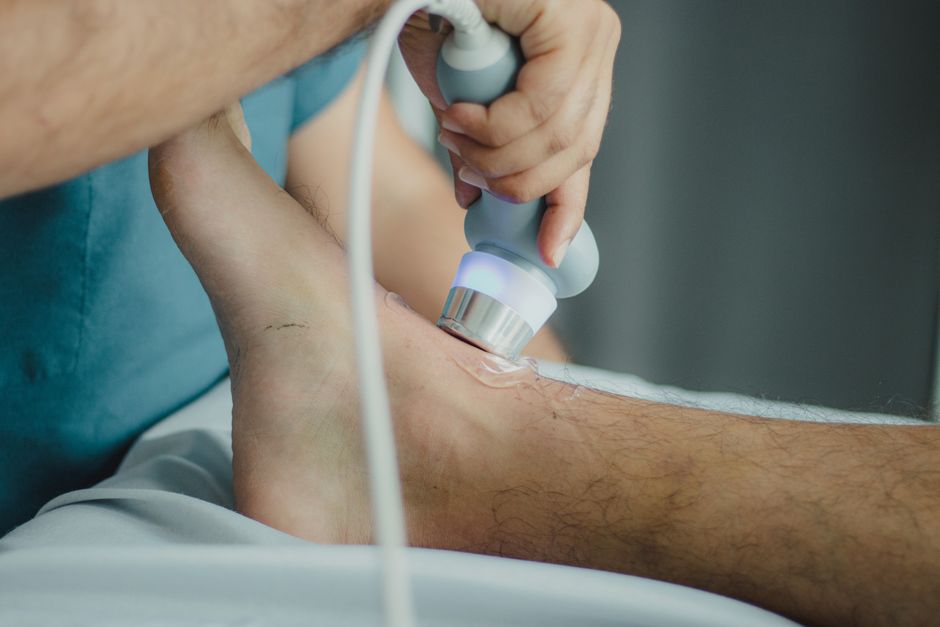
If you live with neuropathy, you have likely searched for anything that might ease the burning, tingling, or numbness in your hands and feet. Vibration plates are often marketed as a way to improve circulation and reduce pain, but the real answer is more nuanced. The evidence suggests vibration plate therapy can offer some temporary symptom relief for certain types of neuropathy, but it is not a cure and does not work for everyone. You should treat it as a potential complementary tool to discuss with your doctor, not a standalone treatment.
What Is a Vibration Plate and How Does It Work?
A vibration plate is a flat platform that shakes at a specific frequency. You stand, sit, or place your feet on it while it vibrates. The vibration forces your muscles to contract and relax rapidly, which is why these machines are often used in fitness settings.
In physical therapy, this is called whole-body vibration. The idea is that the rapid vibrations stimulate sensory receptors in your skin and muscles. This stimulation can sometimes “distract” your brain from pain signals or improve local blood flow in the area.
These machines are not new. They have been used in sports medicine and rehabilitation for decades. The specific use for nerve pain is a more recent area of study.
Is a Vibration Plate Good for Neuropathy? What the Evidence Says
The evidence for vibration plates and neuropathy is promising but limited. Some clinical studies have looked at whole-body vibration for diabetic peripheral neuropathy, which is the most common type of nerve damage. The results show modest improvements in balance, foot sensation, and self-reported pain scores in some participants.
However, the research is not strong enough to call this a proven therapy. Many studies are small, short-term, or lack a placebo group. This means we cannot confidently say vibration plates work for everyone with nerve pain.
The honest position is this: vibration plate therapy may help reduce symptoms for some people, but it is not a medically established standard of care. Some clinicians recommend it as an adjunct to proven treatments like medication, physical therapy, and blood sugar control.
How Vibration Might Affect Damaged Nerves
To understand if a vibration plate is good for neuropathy, you need to know how nerves respond to vibration. Healthy nerves send signals to your brain about touch, pressure, and position. Damaged nerves send faulty signals, which your brain interprets as pain, tingling, or numbness.
Vibration therapy works on two possible mechanisms. First, it provides intense sensory input that may temporarily override the faulty pain signals. This is similar to how rubbing a sore muscle can temporarily reduce the pain you feel. Second, vibration increases blood flow to the area, which can help deliver oxygen and nutrients to stressed nerve tissue.
Neither of these mechanisms repairs the nerve itself. They simply change how your brain perceives the signals or improve the environment around the nerve. This is why relief, when it happens, is usually temporary and requires regular sessions to maintain.




Who Might Benefit Most from Vibration Therapy
Not all neuropathy is the same. The cause of your nerve damage matters when predicting whether a vibration plate will help. People with diabetic peripheral neuropathy are the most studied group. Some research suggests they experience better balance and reduced foot pain with regular vibration sessions.
People with neuropathy from chemotherapy or from unknown causes (called idiopathic neuropathy) have less evidence behind them. There is no large human trial confirming vibration helps these groups. If you have severe sensory loss, meaning you cannot feel your feet at all, vibration may not be helpful and could even be risky because you might not notice if the vibration is too intense.
Your age and overall health also play a role. Vibration plates require you to stand steadily. If you already have balance problems, using one unsupervised could increase your fall risk.
Risks and Precautions You Need to Know
Vibration plates are generally safe for healthy adults, but they are not safe for everyone. You should avoid using a vibration plate if you have a recent fracture, joint replacement, blood clots, or a pacemaker. Pregnant women should also avoid them unless a doctor specifically clears it.
If you have neuropathy in your feet, you may have reduced sensation. This means you might not feel pain or discomfort from the vibration until after the session. Start with the lowest intensity and the shortest time, usually no more than five minutes, to see how your body responds.
Do not use a vibration plate if you have an open wound or ulcer on your foot. Diabetic foot ulcers are serious and can become infected easily. The vibration could worsen the wound or delay healing.
Always talk to your doctor before starting any new therapy, especially if you have a chronic condition like diabetes or heart disease.
How to Use a Vibration Plate Safely for Neuropathy
If your doctor agrees that vibration therapy is safe for you, start slowly. Use the lowest speed setting available. Stand with your knees slightly bent, not locked. Place your hands on a stable surface if you feel unsteady.
Limit your first sessions to five minutes. You can gradually increase the time to ten or fifteen minutes over several weeks if you tolerate it well. Pay close attention to how your feet feel during and after the session. If pain increases or you notice new numbness, stop and talk to your doctor.
Some people prefer to sit on a chair with their feet resting on the plate rather than standing. This reduces the impact on your joints and lowers the fall risk. It may still provide the sensory stimulation your nerves need.
Consistency matters more than intensity. Using the plate for a short time several times per week is likely better than one long session.
What Else Works for Neuropathy? Proven Options
Vibration plates should not replace treatments with stronger evidence. The most proven approach for diabetic neuropathy is strict blood sugar control. Studies consistently show that keeping blood sugar in a healthy range slows the progression of nerve damage.
Physical therapy and regular exercise also have solid evidence. Exercise improves blood flow, strengthens muscles, and can reduce neuropathic pain over time. Balance training specifically helps prevent falls, which is a major risk for people with foot numbness.
Certain medications are approved for neuropathic pain. These include gabapentin, pregabalin, and some antidepressants. They do not repair nerves, but they can reduce the pain signals your brain receives.
Lifestyle changes like quitting smoking, limiting alcohol, and eating a nutrient-rich diet also support nerve health. Vitamin B12 deficiency is a reversible cause of neuropathy, so ask your doctor to check your levels if you have not had them tested.
When to See a Doctor
If your neuropathy symptoms are getting worse, or if you have new weakness, see a doctor promptly. Numbness in the feet increases your risk of injury because you may not feel cuts or blisters. Check your feet daily for any damage.
If you are considering a vibration plate, bring it up with your doctor. Ask specifically whether it is safe given your medical history. They can also tell you if your neuropathy has a reversible cause that should be treated first.
Frequently Asked Questions
Can a vibration plate cure neuropathy?
No, a vibration plate cannot cure neuropathy. It may temporarily reduce symptoms in some people, but it does not repair damaged nerves.
How long should I use a vibration plate for neuropathy?
Start with five minutes at the lowest intensity, a few times per week. Increase gradually only if you tolerate it well and your doctor approves.
Is vibration therapy safe for diabetic neuropathy?
It can be safe for some people, but not if you have foot ulcers, severe numbness, or poor circulation. Your doctor must evaluate your specific situation first.
What does neuropathy feel like when it improves?
People often report reduced burning or tingling and better balance. The change is usually subtle and temporary, not a complete disappearance of symptoms.
