
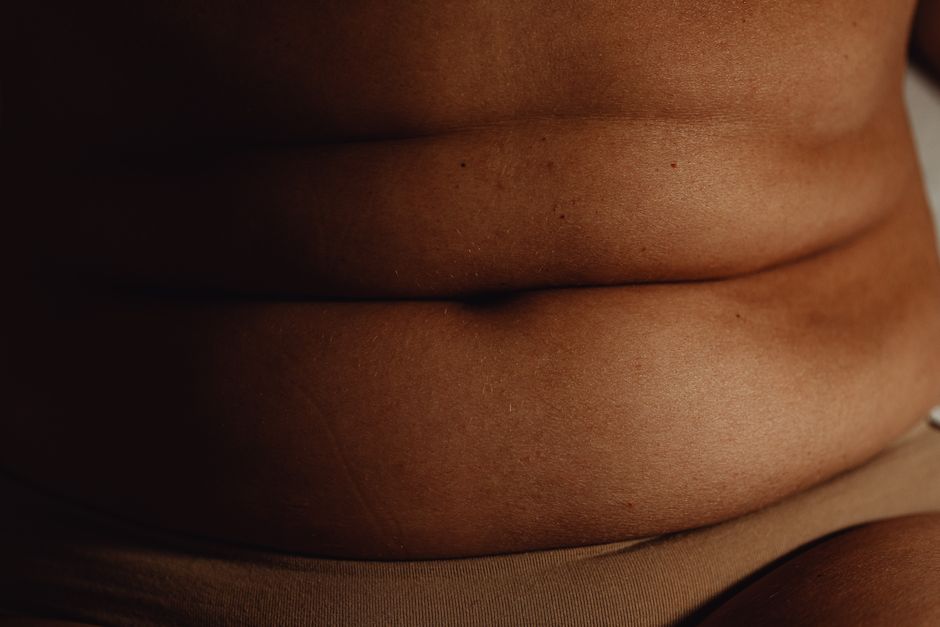
Bloating is one of the most common digestive complaints, and the research points to a few clear solutions that actually work. For most people, the best approach combines dietary adjustments like reducing fermentable carbohydrates (FODMAPs), staying hydrated, and supporting gut motility with gentle movement. The evidence is strongest for peppermint oil, probiotics containing Bifidobacterium infantis, and targeted elimination diets. There is no single magic cure, but the research consistently shows that identifying your specific trigger is more effective than trying random remedies.
What Causes a Bloated Tummy in the First Place?
Bloating happens when gas builds up in your digestive tract. This can come from swallowing air, bacteria in your gut producing gas as they break down food, or slow movement through your intestines. Research shows that for many people, the issue is not too much gas but rather poor gas clearance.
Studies have found that people with bloating often have a condition called visceral hypersensitivity. This means their nerves are extra sensitive to normal amounts of gas. So the gas is not always excessive — the body just perceives it as uncomfortable pressure. This is why some people feel bloated after small meals while others can eat the same food with no problem.
Common triggers include high-fiber foods, carbonated drinks, chewing gum, and eating too fast. Hormonal changes, especially in women, also play a role. Current research suggests that about 75% of people with irritable bowel syndrome report bloating as a main symptom. But you do not need to have IBS to experience bloating.
Does What Is Good for a Bloated Tummy Depend on the Cause?
Yes. This is the most important thing to understand. What works for one person may make another person worse. For example, fiber helps some people with constipation-related bloating but makes bloating worse for others who have gas-producing bacteria that feed on fiber.
Research shows that the gut microbiome varies significantly between individuals. A 2021 study found that people who responded well to a low-FODMAP diet had different bacterial profiles than those who did not. This means the same food can cause bloating in one person and relieve it in another.
If your bloating comes with constipation, increasing water intake and magnesium may help. If it comes with diarrhea, you may need a completely different approach. The evidence indicates that keeping a food and symptom diary for two weeks is one of the most effective ways to figure out your personal triggers. It is simple, free, and more reliable than guessing.
What Does the Research Say About Peppermint Oil for Bloating?
Peppermint oil has some of the strongest evidence behind it. Multiple randomized controlled trials show that enteric-coated peppermint oil capsules reduce bloating, abdominal pain, and gas. A 2019 meta-analysis of 12 studies found that peppermint oil was significantly better than placebo for reducing IBS symptoms, including bloating.
How does it work? Peppermint oil relaxes the smooth muscles in your digestive tract. This helps gas move through more easily. It also has anti-inflammatory and antimicrobial properties. The key is the enteric coating. Without it, the oil can cause heartburn because it relaxes the valve between your stomach and esophagus.
Dosage matters. Most studies used 180 to 225 milligrams of enteric-coated peppermint oil capsules taken once or twice daily. Some people report relief within 30 minutes. Others need a few days of consistent use. As of 2026, peppermint oil remains one of the few natural remedies with consistent clinical trial support for bloating.





Which Probiotics Actually Help with Bloating?
Not all probiotics are the same. The research is clear that different strains do different things. Some studies suggest that Bifidobacterium infantis 35624, also known as Align, reduces bloating in people with IBS. A 2017 study found that this specific strain improved bloating scores by about 50% compared to placebo over four weeks.
Lactobacillus plantarum 299v has also shown promise. One study found it reduced bloating severity by 60% in people with IBS. However, other strains like Lactobacillus acidophilus have mixed results. Some people actually report more gas when starting probiotics because the bacteria produce gas as they colonize the gut.
Here is what the evidence says about choosing a probiotic for bloating:
- Look for strains with clinical trial support: Bifidobacterium infantis 35624, Lactobacillus plantarum 299v, or Saccharomyces boulardii
- Avoid products with inulin or chicory root fiber added — these are prebiotics that can worsen bloating
- Start with a low dose and increase slowly over two weeks
- Give it at least four weeks before deciding if it works
- If bloating gets worse in the first week, that is normal for some people and often passes
Some people report that probiotics help. Others report no change. The research is not strong enough to recommend them for everyone. But for people with IBS-related bloating, the evidence is moderately supportive, especially for specific strains.
What Foods Should You Avoid for a Bloated Tummy?
The low-FODMAP diet has the strongest evidence for reducing bloating. FODMAPs are fermentable carbohydrates that feed gut bacteria and produce gas. About 70% of people with IBS see significant improvement in bloating on a low-FODMAP diet, according to a 2017 review of studies.
Common high-FODMAP foods include wheat, onions, garlic, beans, lentils, apples, pears, watermelon, milk, and honey. The diet is not meant to be followed forever. It has three phases: elimination for two to six weeks, reintroduction to find your triggers, and personalization. The elimination phase is the hardest but gives the clearest answers.
Some foods are widely claimed to cause bloating but have weak evidence. For example, gluten is often blamed, but research shows that most people who think they are sensitive to gluten actually react to FODMAPs in wheat, not the gluten protein itself. Similarly, dairy is a problem only if you are lactose intolerant, which affects about 65% of adults worldwide.
Carbonated drinks are another common cause. The gas in soda and sparkling water goes directly into your digestive tract. One study found that people who drank carbonated water reported significantly more bloating than those who drank still water. This is one of the easiest things to test — just stop for a week and see if it helps.
How Do Lifestyle Changes Compare to Dietary Changes for Bloating?
Dietary changes tend to have the strongest effects, but lifestyle factors matter more than most people realize. The research shows that eating habits can make as much difference as what you eat. Chewing food thoroughly, eating slowly, and not talking while chewing all reduce the amount of air you swallow.
Physical activity helps. A 2020 study found that 30 minutes of moderate walking after meals reduced bloating scores by 40% compared to sitting. The movement helps gas pass through the intestines faster. Yoga positions like child’s pose and knees-to-chest also have some evidence for gas relief, though the studies are small.
Stress is a major factor. The gut-brain axis means that anxiety and stress can slow digestion and increase sensitivity to gas. A 2018 study found that people who practiced mindfulness-based stress reduction had fewer bloating episodes after eight weeks. This effect was independent of dietary changes.
Here is a quick comparison of common approaches based on the strength of evidence:
| Approach | Evidence Strength | Best For |
|---|---|---|
| Low-FODMAP diet | Strong | IBS-related bloating with multiple triggers |
| Peppermint oil | Strong | General gas and cramping |
| Probiotics (specific strains) | Moderate | IBS-related bloating |
| Walking after meals | Moderate | Post-meal bloating |
| Stress reduction | Moderate | Stress-triggered bloating |
| Activated charcoal | Weak | Minimal evidence for bloating |
What Common Bloating Remedies Are Overhyped?
Activated charcoal is widely sold for gas but the evidence is thin. One small study found it reduced intestinal gas in people after a high-gas meal, but the effect was minor. Most research shows no significant benefit for bloating. It can also interfere with medications if taken too close together.
Apple cider vinegar is another popular remedy with almost no clinical evidence for bloating. Some people report that it helps with digestion, but studies have not confirmed this. The acid could actually irritate the stomach lining in some people. This is widely claimed though strong evidence is limited.
Digestive enzymes are a mixed bag. They can help if you have a diagnosed enzyme deficiency, like lactase for lactose intolerance. But for general bloating, the research does not support their use. A 2016 review found no consistent benefit from over-the-counter enzyme blends for bloating in people without known deficiencies.
Ginger tea has some evidence for nausea but less for bloating. One small study found it reduced gas production, but the effect was modest. It is safe and pleasant, but do not expect it to solve significant bloating. The same goes for fennel tea — some people report relief but clinical trials are lacking.
Frequently Asked Questions
Can drinking more water help with a bloated tummy?
Yes, especially if bloating is linked to constipation. Water helps move stool through the colon and reduces gas buildup.
How long does it take for a low-FODMAP diet to reduce bloating?
Most people see improvement within two to six weeks. The elimination phase should last no longer than six weeks before starting reintroduction.
Is bloating a sign of something serious?
Most bloating is harmless and related to diet or digestion. See a doctor if you have blood in stool, unexplained weight loss, or severe pain.
Does chewing gum cause bloating?
Yes, because you swallow extra air. The artificial sweeteners in sugar-free gum can also feed gut bacteria and produce gas.
