
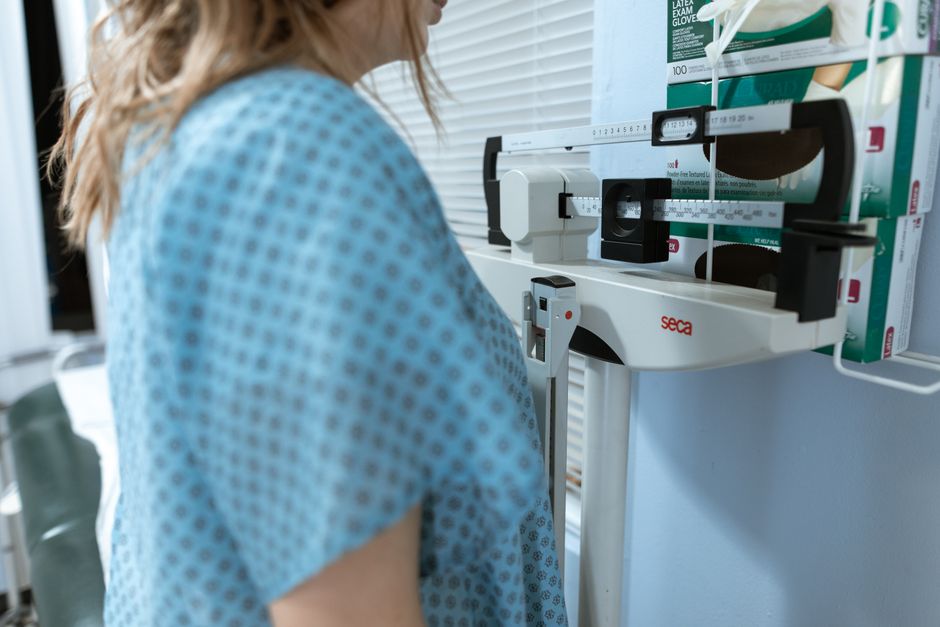
Yes, you can weigh more when bloated, but the extra number on the scale is temporary and not actual fat gain. Bloating adds weight from trapped gas, water, and undigested food moving through your digestive tract. This extra weight is typically 1 to 5 pounds and goes away once your body passes the gas or fluid. The number on the scale can shift by several pounds in a single day due to bloating alone. Understanding the difference between bloating and fat gain helps you avoid unnecessary worry about daily weight fluctuations.
What Causes the Extra Weight from Bloating?
Bloating happens when your gastrointestinal tract fills with gas or fluid. This trapped material has physical mass, so it adds weight when you step on the scale. The digestive system holds onto this material until it moves through or gets absorbed.
Common causes include swallowing air while eating or drinking, eating foods that produce gas, and digestive conditions like irritable bowel syndrome. High-fiber foods like beans and broccoli can cause gas in some people. Carbonated drinks also introduce air directly into your system. The body retains water when you eat high-sodium foods or during hormonal shifts like menstruation. This fluid retention adds weight just like trapped gas does.
Research published in the journal Gastroenterology found that people with bloating can have up to 200 milliliters of extra gas in their intestines at one time. That amount of gas weighs roughly half a pound. Combined with fluid retention, the total can easily reach several pounds.
How Much Extra Weight Can Bloating Actually Add?
Most people gain between 1 and 5 pounds from bloating. The exact number depends on your body size, what caused the bloating, and how long the material stays trapped. Some people report seeing a 10-pound swing on the scale after a large meal or during a flare-up of digestive issues.
Water retention from high-sodium meals can add 2 to 4 pounds within 24 hours. A study in the American Journal of Clinical Nutrition showed that a single high-sodium meal increased body water by about 2.2 pounds on average. Gas from fermenting foods can add another 1 to 2 pounds. The total effect is real but short-lived.
A comparison table helps show the difference between bloating weight and actual fat gain:
| Factor | Bloating Weight | Fat Gain |
|---|---|---|
| Amount gained | 1-5 pounds | 0.5-2 pounds per week |
| Time to appear | Hours | Days to weeks |
| Time to disappear | 24-72 hours | Weeks to months |
| What it is | Gas, water, food | Stored body fat |
| Scale change | Up and down quickly | Steady increase |
The key difference is speed. Bloating weight comes on fast and leaves fast. Fat gain creeps up slowly and requires consistent calorie surplus over time.
Does Bloating Affect Body Fat Percentage Measurements?
Bloating can throw off body fat measurements that use electrical currents or water displacement. Bioelectrical impedance scales send a small electrical signal through your body. Extra fluid or gas changes how that signal travels, which can make your body fat reading look higher or lower than it really is.
Water displacement methods like hydrostatic weighing also get affected. Trapped gas in your lungs and intestines changes your buoyancy, which the calculation uses to estimate body density. This can shift the result by 1 to 3 percent body fat on a given day.
Skinfold calipers measure fat under the skin and do not get affected by bloating directly. But if you are bloated enough that your abdomen is distended, the measurement at that site may be harder to take accurately. For the most reliable body fat readings, avoid testing when you feel bloated. Take measurements at the same time of day under similar conditions.




How Can You Tell the Difference Between Bloating and Fat Gain?
Timing and symptoms give you the answer. Bloating appears within hours of eating or during hormonal changes. Fat gain takes days or weeks of eating more calories than you burn. Bloating comes with visible stomach distension, gas, burping, or a feeling of fullness. Fat gain does not cause those immediate physical sensations.
Your clothes fit differently depending on the cause. Bloating makes your waistband feel tight around your abdomen, but your legs and arms stay the same. Fat gain tends to be more evenly distributed, though everyone stores fat differently based on genetics and hormones.
Daily weight fluctuations of 2 to 4 pounds are normal and almost always caused by water, food, or waste moving through your system. The National Institutes of Health notes that body weight can vary by up to 5 percent from day to day due to these factors. If your weight goes up 3 pounds overnight and then drops back down in two days, that is bloating or water retention, not fat.
What Actually Helps Reduce Bloating Weight Quickly?
Moving your body helps. Walking stimulates digestion and helps gas pass through your system. A 10 to 15 minute walk after meals can reduce bloating and the extra weight it causes. Gentle yoga poses like child’s pose or knees-to-chest also encourage gas release.
Drinking water sounds counterintuitive but works. When you are dehydrated, your body holds onto more water. Drinking enough fluids helps flush out excess sodium and reduces water retention. Aim for water throughout the day rather than chugging large amounts at once.
Peppermint tea and ginger tea have some evidence behind them. A review in the Journal of Clinical Gastroenterology found that peppermint oil can relax the digestive tract and reduce bloating symptoms. Ginger helps speed up stomach emptying, which moves food through faster. Both are safe for most people to try.
Over-the-counter options include simethicone for gas and magnesium supplements for constipation-related bloating. Simethicone helps gas bubbles combine so they pass more easily. Magnesium draws water into the colon, which can relieve constipation and the bloating that comes with it. Check with a doctor before taking any supplement regularly.
Some people report that avoiding carbonated drinks, chewing gum, and drinking through straws reduces the amount of air they swallow. This is widely claimed though strong evidence is limited. It is a low-risk change to test for yourself.
Common Misconceptions About Bloating and Weight
A common myth is that bloating means you are gaining fat. This is false. Bloating is temporary and has nothing to do with fat storage. You can be in a calorie deficit and still see the scale go up by 3 pounds due to bloating. That does not mean your diet is failing.
Another misconception is that detox teas or cleanses get rid of bloating weight permanently. These products often contain laxatives or diuretics that cause water loss. The weight comes back as soon as you eat or drink normally. There is no clinical evidence that these products provide lasting benefits. The CDC warns against using laxatives for weight control.
Some people believe that not eating causes less bloating. Skipping meals can actually make bloating worse. When you finally eat, your digestive system may react more strongly, producing more gas and discomfort. Regular meals with balanced fiber intake support consistent digestion.
When Should You Be Concerned About Bloating Weight?
Occasional bloating after meals is normal and not a health concern. But persistent bloating that lasts more than two weeks deserves attention. If your weight stays elevated from bloating without going back down, or if the bloating comes with pain, vomiting, or blood in your stool, see a doctor.
Rapid weight gain of more than 5 pounds in a few days, especially with swelling in your hands, feet, or face, could signal a medical issue. Kidney problems, heart failure, or liver disease can cause fluid retention that looks like bloating. The American Heart Association lists sudden weight gain from fluid retention as a warning sign for heart failure.
If you have a diagnosed digestive condition like IBS, celiac disease, or Crohn’s disease, bloating may be more frequent and severe. Work with your healthcare provider to manage the underlying condition. Treating the root cause reduces both the bloating and the temporary weight gain that comes with it.
Frequently Asked Questions
Can bloating make you weigh 5 pounds more?
Yes, bloating can add up to 5 pounds from trapped gas, water, and undigested food. This weight is temporary and usually goes away within 24 to 72 hours.
Does drinking water help reduce bloating weight?
Yes, drinking water helps flush out excess sodium and reduces water retention that contributes to bloating. Staying hydrated supports regular digestion and helps waste move through your system.
Is bloating weight the same as fat gain?
No, bloating weight is from gas and fluid, not stored body fat. Bloating appears quickly and disappears quickly, while fat gain takes weeks of consistent calorie surplus.
How long does it take for bloating weight to go away?
Bloating weight typically goes away within 24 to 72 hours as your body passes gas and eliminates waste. If it lasts longer than two weeks, check with a doctor.
