

Bloating is that tight, full, sometimes painful feeling in your belly. It is one of the most common reasons people see a doctor. The research points to a few clear causes: gas trapped in the digestive tract, slow movement of food through the gut, and sensitivity to normal amounts of gas. Most bloating is not a sign of a serious disease. It is usually a sign that something in your diet or daily habits needs a small adjustment. This article explains what the science actually says about why your stomach is bloated and what you can do about it.
What Actually Causes Bloating According to Research?
Research published in the journal Gastroenterology shows that bloating is not just about having too much gas. Many people with bloating have normal amounts of gas in their intestines. The problem is that the gas is not moving through the digestive tract as it should. The gut muscles may be pushing gas too slowly. Or the nerves in the gut may be extra sensitive to normal stretching.
The American College of Gastroenterology states that the most common causes of bloating include swallowing air while eating, eating foods that produce gas, and having a gut that is slow to empty. Constipation is a major driver. When stool sits in the colon too long, bacteria keep fermenting it and producing more gas. This creates a cycle of pressure and discomfort.
Another key finding from studies is that visceral hypersensitivity plays a role. This means your brain perceives normal gut stretching as painful or uncomfortable. People with irritable bowel syndrome (IBS) often have this. Their guts are not necessarily producing more gas, but they feel it more intensely. Research from the University of Michigan suggests that stress and anxiety can make this sensitivity worse.
What Foods Are Most Likely to Cause Bloating?
Not all foods cause bloating in everyone. But research has identified some common culprits. The most well-studied group is FODMAPs — fermentable carbohydrates that draw water into the gut and are quickly fermented by bacteria. A study in Gut found that a low-FODMAP diet reduced bloating in about 50% of people with IBS.
Common high-FODMAP foods include:
- Wheat, rye, and barley
- Onions and garlic
- Beans and lentils
- Apples, pears, and watermelon
- Milk and ice cream (lactose)
- Honey and high-fructose corn syrup
Beans deserve special mention. They contain raffinose, a sugar that humans cannot digest fully. When it reaches the colon, bacteria feast on it and produce hydrogen, methane, and carbon dioxide. Soaking dried beans overnight and discarding the water before cooking can reduce these gas-producing compounds significantly. The USDA has confirmed that this simple step lowers the raffinose content.
Carbonated drinks are another direct cause. The bubbles are carbon dioxide gas. When you drink soda or sparkling water, that gas enters your stomach. Some of it gets absorbed, but a lot of it stays and causes immediate bloating. Research shows that drinking through a straw or chewing gum also increases the amount of air you swallow.
Does My Stomach Being Bloated Mean I Have a Food Intolerance?
Not always. But food intolerance is a common and real cause. Lactose intolerance affects about 65% of the global population. When you lack enough lactase enzyme, undigested lactose sits in your gut and bacteria ferment it. This produces gas, bloating, and cramping. The National Institutes of Health reports that symptoms usually appear 30 minutes to 2 hours after eating dairy.
Gluten sensitivity is debated in research. True celiac disease affects about 1% of people and causes damage to the small intestine. But non-celiac gluten sensitivity is less clear. Some studies suggest that fructans — a FODMAP found in wheat — may be the real trigger, not gluten itself. A 2018 study in Gastroenterology found that people with self-reported gluten sensitivity improved more on a low-FODMAP diet than on a gluten-free diet. This suggests that for many people, the issue is fermentable carbs, not gluten.
If you suspect a food intolerance, the gold standard is an elimination diet. Remove the suspected food for two to four weeks. Then reintroduce it and watch for symptoms. This is more reliable than blood tests for food sensitivities, which the American Academy of Allergy, Asthma & Immunology warns are not evidence-based for diagnosing food intolerances.


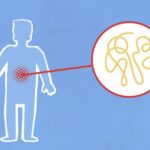


What Does the Research Say About Bloating and Gut Bacteria?
The gut microbiome is a hot topic in bloating research. Studies from Johns Hopkins University show that people with bloating often have different bacterial populations than those without. Specifically, they tend to have more methane-producing bacteria. Methane slows down gut transit time. When food moves too slowly, it ferments longer and produces more gas.
Probiotics are often recommended for bloating. But the evidence is mixed. A 2020 review in Nutrients analyzed 45 studies and found that certain probiotic strains — especially Bifidobacterium infantis and Lactobacillus plantarum — reduced bloating in some people. But not all probiotics work. Some may even make bloating worse by adding more gas-producing bacteria to the gut.
Small intestinal bacterial overgrowth (SIBO) is another condition linked to bloating. In SIBO, bacteria that normally live in the colon move into the small intestine. They start fermenting food before it is fully digested. This produces gas and bloating right after meals. A breath test can help diagnose it. Treatment usually involves antibiotics like rifaximin, which studies show improves symptoms in about 60% of people with SIBO.
What Lifestyle Changes Actually Help Reduce Bloating?
Research supports several simple changes. Eating slowly is one of the most effective. A study in the Journal of Neurogastroenterology and Motility found that people who ate a meal in under 10 minutes reported significantly more bloating than those who took 20 minutes. Chewing food thoroughly also helps. Saliva contains enzymes that start breaking down carbohydrates before they reach the stomach.
Exercise has a clear benefit. Physical activity stimulates the muscles of the digestive tract. A 2019 study in PLOS ONE found that 30 minutes of walking after a meal reduced gas retention and bloating in people with IBS. Even gentle movement like walking or yoga helps move gas through the intestines.
Hydration matters more than most people realize. Water helps fiber do its job. Without enough water, fiber can actually worsen constipation and bloating. The National Academy of Medicine recommends about 3.7 liters of water per day for men and 2.7 liters for women from all sources, including food.
Here is a comparison of common remedies based on research:
| Remedy | What Research Shows | Best For |
|---|---|---|
| Peppermint oil | Relaxes gut muscles; reduces IBS bloating in several trials | Gas and cramping |
| Probiotics | Mixed results; some strains help, others do not | Specific bacterial imbalances |
| Low-FODMAP diet | Strong evidence; works for about 50% of IBS patients | Food-related bloating |
| Digestive enzymes | Limited evidence; may help with lactose or bean digestion | Known food intolerances |
| Activated charcoal | Weak evidence; some people report relief | Occasional gas |
When Should You See a Doctor About Bloating?
Most bloating is harmless and temporary. But there are clear red flags. The American Gastroenterological Association recommends seeing a doctor if bloating is accompanied by weight loss, blood in the stool, fever, or persistent vomiting. Also seek help if bloating is severe enough to wake you from sleep or if it gets progressively worse over weeks.
Conditions like ovarian cancer can present with persistent bloating. The American Cancer Society notes that bloating that lasts more than two to three weeks, especially with pelvic pain or feeling full quickly, should be evaluated. This is rare but serious. Do not ignore it.
Other conditions that can cause chronic bloating include gastroparesis (delayed stomach emptying), celiac disease, and chronic pancreatitis. Your doctor can order tests like an abdominal ultrasound, breath tests, or a colonoscopy to rule out these causes. If you have a family history of colon cancer, any new or persistent bloating should be discussed with your doctor sooner rather than later.
Common Misconceptions About Bloating
One of the biggest myths is that bloating means you have a “leaky gut.” Leaky gut is a real concept in research — it refers to increased intestinal permeability. But it is not a recognized medical diagnosis. The National Institute of Diabetes and Digestive and Kidney Diseases states that there is not enough evidence to support leaky gut as a cause of bloating in most people. Claims that special diets or supplements can “heal” leaky gut are not backed by strong clinical trials.
Another myth is that drinking more water will flush out bloating. Water helps with constipation-related bloating. But if your bloating is from gas, drinking more water will not make it go away. It may actually make you feel fuller temporarily. The fix for gas bloating is usually diet change or movement, not extra hydration.
Some people believe that detox teas or colon cleanses cure bloating. These products often contain laxatives like senna. They cause you to have a bowel movement, which can temporarily reduce bloating. But they do not address the underlying cause. Long-term use can actually disrupt your gut’s natural rhythm and make bloating worse. The FDA has warned against many of these products for being mislabeled or containing harmful ingredients.
Frequently Asked Questions
Why is my stomach bloated even though I eat healthy?
Healthy foods like beans, broccoli, and whole grains are high in fiber and FODMAPs that can produce gas. Eating them too quickly or in large amounts can cause bloating even in a healthy diet.
Can stress cause bloating?
Yes. Stress activates the gut-brain axis and can slow digestion or increase gut sensitivity. Research shows that stress management techniques like deep breathing can reduce bloating in some people.
How long does bloating usually last?
Most bloating from food or gas resolves within a few hours to a day. If bloating lasts more than two weeks or keeps coming back, it is worth checking with a doctor.
Does drinking water help with bloating?
Water helps if your bloating is from constipation. It does not help with bloating caused by gas. Drinking water slowly and at room temperature may be more comfortable than cold water gulped quickly.
