
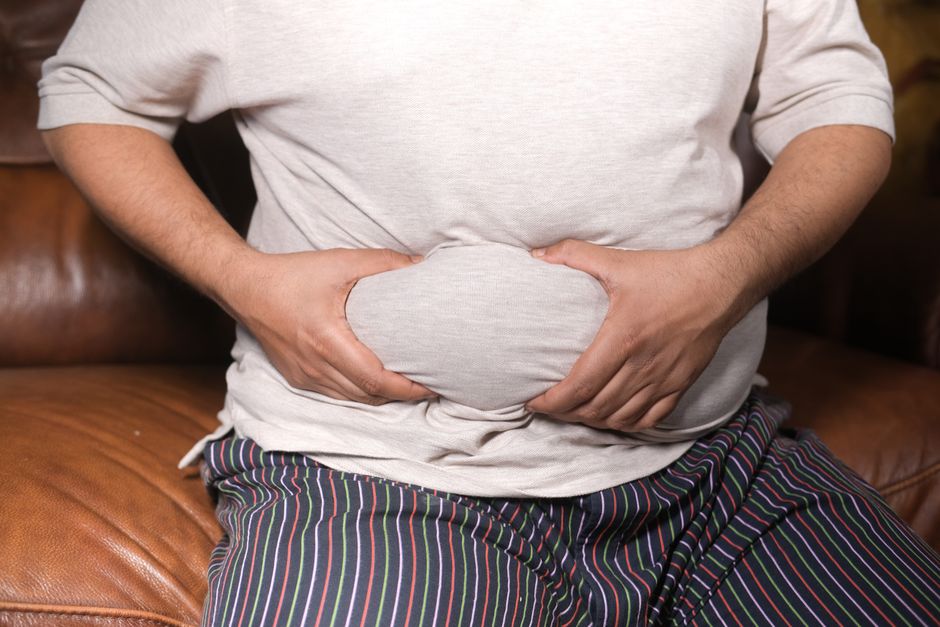
Bloating is caused by excess gas or fluid buildup in the digestive tract. The fastest ways to reduce it include gentle movement, drinking peppermint tea, avoiding trigger foods like beans and carbonated drinks, and eating smaller meals slowly. Most bloating resolves on its own within hours, though persistent cases may signal food intolerances or digestive conditions that need attention.
What Actually Causes a Bloated Tummy?
Gas production is the main culprit. When bacteria in your colon break down undigested carbohydrates they release hydrogen, carbon dioxide, and methane. Some of this gas gets absorbed into your bloodstream. The rest has to leave through burping or flatulence. When it builds up faster than your body can release it you feel bloated.
Swallowing air contributes more than most people realize. Eating quickly, drinking through straws, chewing gum, and talking while eating all push extra air into your stomach. People with anxiety tend to swallow air unconsciously throughout the day. That air has to go somewhere.
Constipation creates a backup effect. When stool sits in your colon for too long it ferments and produces gas while physically blocking the passage of other gas through your system. Hormonal shifts before menstruation cause water retention and slow digestion in many women. Certain medical conditions like irritable bowel syndrome and small intestinal bacterial overgrowth cause chronic bloating that does not respond to typical remedies.
Does Drinking Water Help Get Rid of a Bloated Tummy?
Water helps when bloating is caused by constipation or high sodium intake. It softens stool and helps move things through your digestive tract. If you ate salty food recently drinking water dilutes the sodium in your bloodstream which signals your kidneys to release retained fluid.
Drinking too much water too quickly can make bloating worse. Your stomach expands and you may swallow air while gulping. Carbonated water adds gas directly to your system. Studies show that still water consumed slowly throughout the day reduces bloating better than drinking large amounts at once.
Warm water works slightly better than cold for some people. Cold liquids can slow digestion temporarily. There is no strong evidence that adding lemon changes anything meaningful about how water affects bloating.
What Foods Should You Avoid When Bloated?
High-FODMAP foods cause bloating in people with sensitive digestion. FODMAPs are short-chain carbohydrates that your small intestine absorbs poorly. They travel to your colon where bacteria ferment them into gas. This group includes onions, garlic, beans, lentils, wheat, dairy products, apples, and artificial sweeteners like sorbitol.
Cruciferous vegetables contain raffinose, a sugar humans cannot digest. Broccoli, cauliflower, Brussels sprouts, and cabbage sit in your colon fermenting until bacteria break them down. They are nutritious but if you are already bloated they will make it worse for several hours.
Carbonated drinks release carbon dioxide in your stomach. Some of that gas gets absorbed but most of it has to come back up or pass through your entire digestive tract. Even sparkling water causes this. Beer combines carbonation with fermentable carbohydrates which is why it causes particularly bad bloating.
| Food Category | Why It Causes Bloating | Better Alternative |
|---|---|---|
| Beans and lentils | High in raffinose and resistant starch | Small portions with digestive enzymes |
| Dairy products | Lactose intolerance affects 65% of adults | Lactose-free milk or hard aged cheeses |
| Sugar alcohols | Not absorbed in small intestine | Small amounts of regular sugar |
| Cruciferous vegetables | Contain raffinose and sulfur compounds | Cooked rather than raw reduces effect |




Does Movement Help Reduce Bloating Quickly?
Walking stimulates peristalsis, the wave-like muscle contractions that move contents through your intestines. A 2021 study found that a 10-minute walk after eating reduced bloating scores by 30% compared to sitting. The movement helps trapped gas move toward an exit.
Certain yoga poses use gravity and gentle compression to release gas. The knees-to-chest position, seated twists, and cat-cow stretches all create pressure changes that can move gas pockets. These work best for gas trapped in the colon rather than the stomach.
Lying on your left side takes advantage of anatomy. Your colon starts on the lower right side of your abdomen, travels up, across, and down the left side. Lying on your left helps gas travel along this natural path toward the rectum. This position works surprisingly well for many people though research on it is limited.
What Natural Remedies Actually Work for Bloating?
Peppermint has genuine evidence behind it. The menthol relaxes smooth muscle in your digestive tract which allows gas to pass more easily. Studies show enteric-coated peppermint oil capsules reduce bloating in people with irritable bowel syndrome. Peppermint tea is weaker but still effective for mild bloating.
Ginger stimulates gastric emptying. Research shows it speeds up the rate at which your stomach moves food into your small intestine. This helps when bloating comes from food sitting too long in your stomach. Ginger tea or fresh ginger in meals works better than supplements for most people.
Probiotics help some people but not everyone. As of 2026 evidence shows they reduce bloating in those with IBS and post-antibiotic digestive issues. They do not do much for occasional bloating from overeating or gas-producing foods. Different strains work differently and most over-the-counter probiotics contain strains that have not been tested for bloating specifically.
Digestive enzymes like alpha-galactosidase break down complex carbohydrates before they reach your colon. Taking these with meals that contain beans or cruciferous vegetables prevents gas formation rather than treating it after the fact. Lactase enzyme helps people with lactose intolerance digest dairy without bloating.
When Does Bloating Signal Something More Serious?
Persistent bloating that lasts weeks without clear cause deserves medical evaluation. It can indicate small intestinal bacterial overgrowth, celiac disease, inflammatory bowel disease, or in rare cases ovarian cancer in women. The key difference is that normal bloating comes and goes with meals while pathological bloating is constant or worsening.
Bloating with weight loss, blood in stool, severe pain, or vomiting requires immediate attention. These symptoms together suggest obstruction, infection, or inflammatory conditions that need treatment. Bloating alone without these red flags is almost never serious but the combination changes things.
Food intolerance testing makes sense when bloating is chronic and related to eating. Lactose and fructose breath tests can identify specific carbohydrate malabsorption. Celiac blood tests should be done before trying a gluten-free diet since the diet interferes with test accuracy. Elimination diets under guidance from a registered dietitian identify triggers better than guessing.
What Are Quick Relief Strategies That Work Within Hours?
Simethicone breaks up gas bubbles in your digestive tract. It does not prevent gas formation but it helps existing gas pass more easily. Studies show modest benefit for post-meal bloating. It works faster than waiting for gas to move on its own.
Abdominal massage in a clockwise direction follows the path of your colon. Apply gentle pressure starting at your lower right abdomen, moving up under your ribs, across to the left, and down. Five minutes of this can move trapped gas and stimulate bowel movement. Physical therapists who specialize in pelvic floor work teach this technique.
Here are actions that provide relief within 1-3 hours:
- Take a 15-minute walk at a comfortable pace
- Drink warm peppermint or ginger tea slowly
- Lie on your left side for 10 minutes
- Do gentle torso twists or child’s pose from yoga
- Apply a warm heating pad to your abdomen
- Take simethicone as directed on package
Heat relaxes intestinal muscles and improves blood flow to the area. A heating pad or warm bath often provides comfort even if it does not directly release gas. The relaxation effect reduces the perception of discomfort while your body handles the actual gas.
Frequently Asked Questions About Getting Rid of a Bloated Tummy
How long does it take for bloating to go away naturally?
Most bloating from food or swallowed air resolves within 2-6 hours as gas moves through your system. Bloating from constipation takes longer and improves once you have a bowel movement.
Can stress cause stomach bloating?
Yes, stress alters gut motility and increases air swallowing. Chronic stress is linked to functional bloating where no physical cause is found but symptoms are real.
Does apple cider vinegar help with bloating?
There is no clinical evidence that apple cider vinegar reduces bloating. Some people report temporary relief but controlled studies have not confirmed this effect.
Is bloating worse at night?
Bloating often peaks in the evening after a full day of eating and gas accumulation. Lying down after eating can also trap gas that would otherwise escape more easily while upright.
