
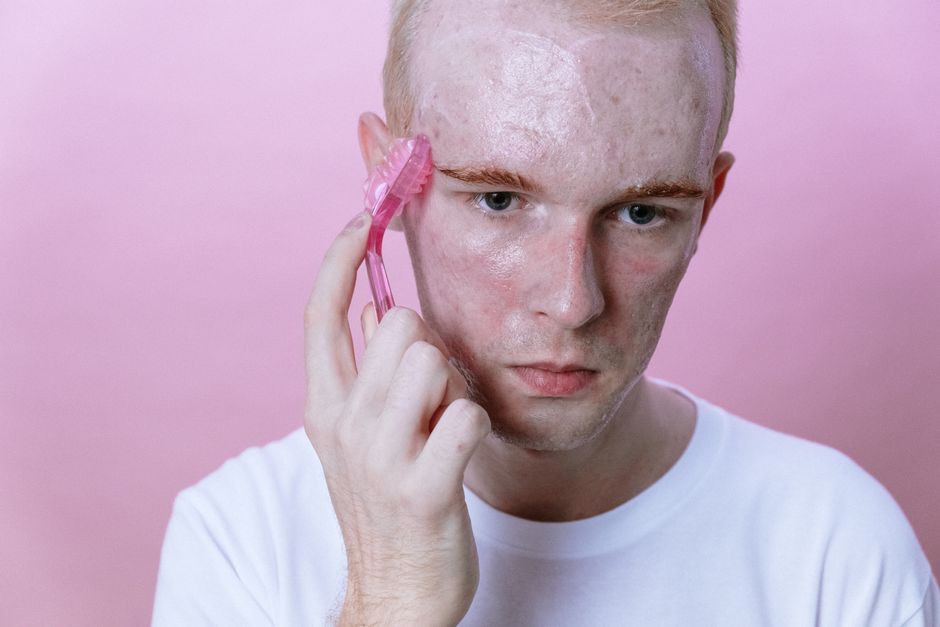
Acne is not just a skin problem. It can be a sign of something happening inside your body. Where you break out, when it happens, and what it looks like can point to underlying issues like hormone imbalances, gut health problems, or chronic inflammation. While the idea of an “acne face map” is oversimplified, research shows that certain patterns of acne are linked to specific health conditions. This article explains what your acne might actually be telling you, based on real evidence.
Does Acne Location Actually Mean Something Specific?
The internet is full of “face maps” that claim acne on your forehead means digestive issues and acne on your chin means hormonal problems. The truth is more complicated. Dermatologists have found that adult acne does tend to show up in certain patterns, but the reasons are not as simple as the face maps suggest.
Research published in the Journal of the American Academy of Dermatology found that acne along the jawline and lower face is strongly linked to hormonal fluctuations in women. This is one of the better-supported location-based patterns. Acne on the cheeks and chin is also common in adult women with polycystic ovary syndrome (PCOS).
Other locations are less specific. Forehead and nose acne is common in teenagers and young adults, likely because those areas have more oil glands. Cheek acne can be triggered by things like holding a phone against your face or sleeping on a dirty pillowcase. The location alone is rarely enough to diagnose a health problem, but it can give you and your doctor a useful clue.
What Do Hormonal Breakouts Tell You About Your Health?
Hormonal acne is the most common type of adult acne. It usually appears along the jawline, chin, and lower cheeks. These breakouts often come in cycles. Women may notice more pimples a week before their period. This pattern is well-documented and happens because estrogen drops and progesterone rises, which increases oil production.
But sometimes hormonal acne points to a bigger issue. PCOS affects about 1 in 10 women of childbearing age, according to the CDC. Along with acne, women with PCOS often have irregular periods, excess facial hair, and difficulty losing weight. If your acne comes with any of these symptoms, it is worth talking to a doctor.
Other hormonal causes include high cortisol from chronic stress and changes in birth control. Some women break out when they stop taking the pill because their natural hormone production takes time to restart. This is not dangerous, but it can be frustrating. A dermatologist can help you manage the transition.
Can Acne Be a Sign of Gut Problems?
The connection between your gut and your skin is real, but it is not as direct as many online sources claim. Some studies suggest that people with acne have different gut bacteria than people without acne. Research published in the Journal of Clinical and Aesthetic Dermatology found that acne patients had lower levels of beneficial bacteria like Lactobacillus and Bifidobacterium.
This does not mean your acne is “caused” by a bad gut. It means there is an association. The gut-skin axis works through inflammation. When your gut lining is irritated, it can trigger an immune response that shows up as skin inflammation. This is a complex process, not a simple one-to-one link.
What the evidence does support is that a diet high in processed foods and sugar can worsen acne. High-glycemic foods cause blood sugar spikes, which increase insulin and inflammation. A 2018 study in JAMA Dermatology found that people who ate a low-glycemic diet had fewer acne lesions. This is a clearer connection than the vague “leaky gut” claims you see online.




What Does Acne on the Back or Chest Mean?
Acne on the back and chest is common, but it often has different causes than facial acne. One major trigger is friction and pressure. Tight clothing, backpacks, and sports equipment can trap sweat and oil against the skin. This type of acne is called acne mechanica and is not a sign of internal health problems.
But body acne can also be hormonal. The same androgen hormones that cause facial acne also affect the oil glands on your chest and back. If your body acne is severe and comes with facial breakouts, it may point to higher-than-normal androgen levels.
Another possibility is a fungal infection. Fungal acne looks like small, itchy bumps on the chest, back, and shoulders. It is caused by an overgrowth of yeast, not clogged pores. Regular acne treatments do not work for this. If your body acne is itchy or does not respond to typical acne products, see a dermatologist. They can do a simple test to tell the difference.
What Does Research on What Your Acne Is Telling You About Your Health Show?
Research on what your acne is telling you about your health has grown significantly in the last decade. The strongest evidence links acne to three main areas: hormones, inflammation, and diet. Each of these factors can influence acne, and they often overlap.
A 2020 review in the International Journal of Molecular Sciences found that acne is a chronic inflammatory disease, not just a clogged pore problem. This is an important distinction. Inflammation in the skin can reflect inflammation elsewhere in the body. People with acne often have higher levels of inflammatory markers in their blood.
The same review noted that insulin-like growth factor 1 (IGF-1) plays a role. High IGF-1 levels stimulate oil production and skin cell growth. Dairy and high-sugar foods can raise IGF-1. This is why some people see improvement when they cut back on milk or sugary snacks. The effect is not huge for everyone, but it is real for some.
One limitation of the research is that most studies are observational. They show associations, not cause and effect. It is hard to say for sure that a specific food or hormone level causes acne in every person. Genetics also play a big role. If your parents had acne, you are more likely to have it too, regardless of your diet or stress levels.
When Should You See a Doctor About Your Acne?
Most acne can be managed with over-the-counter products and good skin care. But there are times when acne is a sign of something that needs medical attention. The table below can help you decide.
| Symptom or Pattern | What It Might Indicate | What to Do |
|---|---|---|
| Acne along jawline and chin that comes with irregular periods | Possible PCOS or hormone imbalance | See a gynecologist or endocrinologist |
| Sudden, severe acne in an adult who never had it before | Possible underlying medical condition or medication side effect | See a dermatologist |
| Acne with joint pain, fatigue, or fever | Possible autoimmune or inflammatory condition | See a primary care doctor |
| Deep, painful cysts that leave scars | Severe acne that needs prescription treatment | See a dermatologist |
| Acne that does not improve with standard treatments after 3 months | May need prescription medication or different diagnosis | See a dermatologist |
A doctor can run blood tests to check hormone levels, insulin, and inflammation markers. They can also rule out conditions like Cushing’s syndrome, which causes high cortisol and can lead to acne. Do not assume your acne is normal if it is severe, sudden, or accompanied by other symptoms.
What Common Misconceptions About Acne and Health Should You Ignore?
There is a lot of bad advice online about acne and health. Here are some of the most common misconceptions that have little to no evidence behind them:
- Acne on your forehead means you need to detox your liver. There is no evidence that forehead acne is linked to liver function. The liver detoxes itself without help from cleanses or diets.
- Eating chocolate causes acne. Research on chocolate is mixed. Some studies show a small effect from high-sugar chocolate, but dark chocolate with low sugar does not seem to cause breakouts in most people.
- Drinking more water clears acne. Staying hydrated is good for your skin, but there is no evidence that drinking extra water reduces acne. Acne is not caused by dehydration.
- Popping pimples releases toxins. Popping a pimple does not release toxins. It pushes bacteria and oil deeper into the skin, which makes inflammation worse and increases the risk of scarring.
- Acne means you have poor hygiene. Acne is not caused by dirt. Over-washing can actually make acne worse by stripping the skin of its natural oils.
The best approach is to focus on what the evidence actually supports. Good skin care, a balanced diet, and medical treatment when needed are more effective than chasing unproven theories.
Frequently Asked Questions
Can acne be a sign of a serious health problem?
Yes, in some cases. Sudden severe acne in adults can point to hormone disorders like PCOS, thyroid problems, or medication side effects. See a doctor if your acne is new, severe, or comes with other symptoms.
Does acne location on the face mean anything?
Some patterns are real. Jawline and chin acne is often hormonal in women. But most face map claims are not backed by strong evidence. Location alone is not enough to diagnose a health issue.
Can stress really cause acne?
Yes. Stress raises cortisol levels, which increases oil production and inflammation. Studies have found that students have more acne during exam periods. Managing stress can help, but it is rarely the only cause.
What foods are most likely to trigger acne?
High-glycemic foods like white bread, sugary drinks, and processed snacks are the most consistent triggers. Dairy, especially skim milk, may also worsen acne in some people. The effect varies from person to person.
