
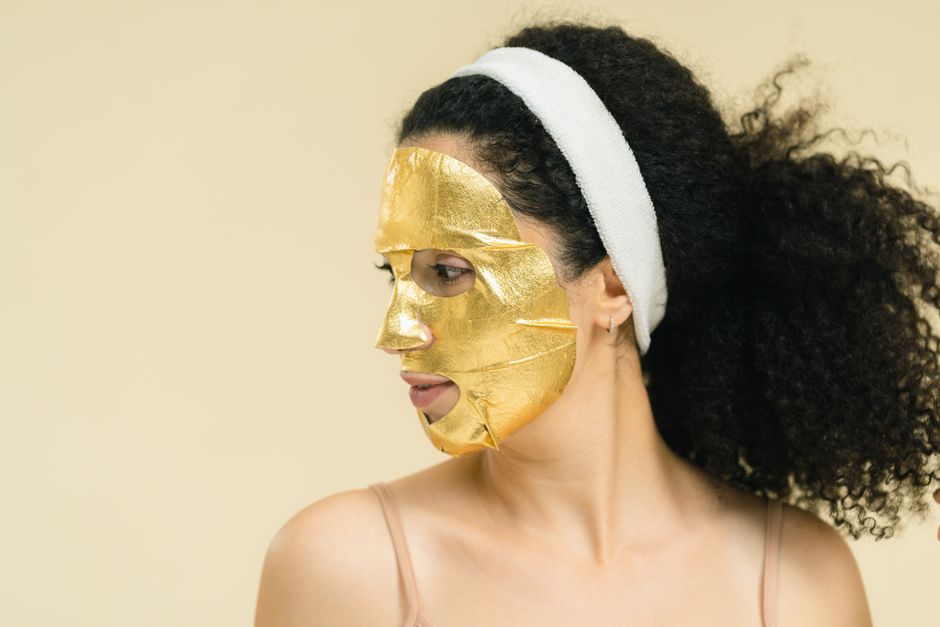
Glowing skin is not just about looking good. It can be a sign that your body is working well from the inside out. When your skin looks even, hydrated, and clear, it often reflects good circulation, balanced nutrition, and healthy organ function. While not every skin issue means something is wrong, a true healthy glow usually means your body is getting what it needs.
What Does Glowing Skin Actually Look Like?
Glowing skin is not the same as shiny or greasy skin. Real glowing skin has a natural radiance. It looks smooth and reflects light evenly. The surface is not dull or flaky. The skin tone is fairly even without large patches of redness or dark spots.
Doctors and dermatologists describe healthy skin as having good hydration and normal oil production. The outer layer of skin cells lies flat instead of rough. This makes light bounce off the skin rather than scattering. That reflection is what people call a glow.
One thing to know is that glowing skin does not mean perfect skin. Pores can be visible. A few small blemishes can be there too. But the overall texture is smooth and the color is balanced.
What Does Research on Glowing Skin and Health Show?
Research published in the journal Dermato-Endocrinology found that skin appearance is linked to diet and lifestyle. People who ate more fruits and vegetables had skin that looked more golden and healthy. This is partly because of carotenoids. These are natural pigments in orange and green produce that deposit in the skin and give it a warm tone.
The American Academy of Dermatology reports that skin is often a window into internal health. Chronic skin issues like persistent acne, extreme dryness, or yellowing can point to conditions such as hormonal imbalances, thyroid problems, or liver issues. But a healthy glow is usually a sign that nothing is actively wrong.
Studies on skin hydration show that well-hydrated skin reflects light better. Dehydrated skin looks dull and feels tight. Drinking enough water helps, but so does moisturizing and eating foods rich in healthy fats.
Can Your Diet Give You Glowing Skin?
Yes, but not in the way social media claims. There is no single superfood that will transform your skin overnight. What matters is your overall diet pattern over weeks and months.
Foods rich in antioxidants help protect skin cells from damage. Berries, dark leafy greens, and nuts are good examples. Vitamin C is essential for collagen production. Collagen keeps skin firm and plump. You can find vitamin C in citrus fruits, bell peppers, and broccoli.
Healthy fats from fish, avocados, and olive oil support the skin barrier. A strong skin barrier locks in moisture and keeps irritants out. Some studies suggest that omega-3 fatty acids from fish oil can reduce skin inflammation and improve hydration.
Sugar and refined carbs may work against glowing skin. A high sugar diet can lead to a process called glycation. This damages collagen and makes skin less elastic. The effect is not immediate, but over time it contributes to a dull appearance.




What Role Does Sleep and Stress Play?
Sleep is when your body repairs itself. This includes your skin. During deep sleep, blood flow to the skin increases. Collagen production also ramps up. When you do not sleep enough, your skin can look pale and tired. Dark circles under the eyes are a common sign.
Research from University Hospitals in Cleveland found that poor sleep quality is linked to more signs of skin aging. People who slept seven to nine hours had better skin barrier function and looked more attractive to observers. The difference was noticeable even after just a few nights of poor sleep.
Stress affects skin through hormones. Cortisol, the main stress hormone, can increase oil production. This can lead to breakouts. Chronic stress also weakens the skin barrier. This makes it harder for skin to hold moisture and defend against bacteria.
Managing stress does not mean eliminating it completely. Simple practices like regular exercise, enough sleep, and taking short breaks during the day can help keep cortisol levels in check.
What Skincare Habits Actually Work for a Glow?
Skincare products can help, but only if you start with the basics. A gentle cleanser that does not strip your skin is step one. Over-cleansing can damage the skin barrier and make skin look dull.
Moisturizer is essential for a glow. Look for ingredients like glycerin, ceramides, and hyaluronic acid. These help the skin hold water. Well-hydrated skin reflects light better.
Sunscreen is the single most effective product for maintaining healthy-looking skin over time. The CDC states that UV damage is the main cause of premature skin aging. Sunscreen prevents that damage. It also helps your skin tone stay even instead of developing dark spots.
Exfoliation can help, but it is often overdone. Gentle exfoliation once or twice a week removes dead skin cells that make skin look dull. Harsh scrubbing or chemical peels too often can cause redness and irritation.
Here is a quick comparison of common skincare ingredients and what they do:
| Ingredient | What It Does | Best For |
|---|---|---|
| Vitamin C | Antioxidant, boosts collagen | Brightening and evening tone |
| Hyaluronic Acid | Holds water in skin | Hydration and plumpness |
| Retinoids | Speeds cell turnover | Texture and fine lines |
| Ceramides | Strengthen skin barrier | Dryness and sensitivity |
| Niacinamide | Reduces inflammation | Redness and large pores |
When Should You Be Concerned About Skin Changes?
Most skin changes are harmless. But some changes can signal something more serious. If your skin suddenly becomes very yellow, it could indicate a liver issue. Jaundice is not common in adults, but it does require medical attention.
Persistent redness on the face, especially with bumps, could be rosacea. This is a chronic condition that can be managed but not cured. A dermatologist can help with treatment options.
Extreme dryness that does not improve with moisturizer might point to a thyroid problem. Hypothyroidism can make skin dry, thick, and pale. Blood tests can check for this.
New moles or changes in existing moles should always be checked. The Skin Cancer Foundation recommends seeing a dermatologist if a mole changes in size, shape, or color. This is not about glowing skin. It is about catching skin cancer early.
If you have acne that is severe or appears suddenly in adulthood, it could be related to hormones. Polycystic ovary syndrome (PCOS) is one possible cause. A doctor can run tests to find out.
Common Misconceptions About Glowing Skin
One of the biggest myths is that glowing skin means you are perfectly healthy. That is not true. Many healthy people have acne or rosacea. Many unhealthy people have clear skin. Skin appearance is one piece of information, not the whole picture.
Another myth is that expensive products are better. Drugstore moisturizers with the right ingredients work just as well as luxury brands. The price does not determine effectiveness.
Drinking eight glasses of water a day is often claimed to give you glowing skin. While hydration matters, there is no evidence that drinking extra water beyond what your body needs improves skin appearance. If you are already hydrated, more water does not help.
Some people believe that sweating a lot cleans your skin from the inside. Sweat does not detoxify your body. Your liver and kidneys do that. Sweat can actually irritate skin if it stays on your face too long.
Frequently Asked Questions
Can glowing skin be a sign of good health?
It can be, but it is not a guarantee. Glowing skin often indicates good hydration and circulation, but many healthy people have skin issues that have nothing to do with their overall health.
What foods give you glowing skin?
Foods rich in antioxidants, healthy fats, and vitamins help. Berries, leafy greens, fatty fish, and nuts are good choices. No single food will give you glowing skin on its own.
How long does it take to see skin changes from diet?
Most people see changes in four to six weeks. Skin cells turn over roughly every 28 days, so improvements from diet take at least that long to become visible.
Is glowing skin possible without skincare products?
Yes, for some people. A healthy diet, enough sleep, and sun protection can improve skin appearance without any products. But most people benefit from at least a basic moisturizer and sunscreen.
