
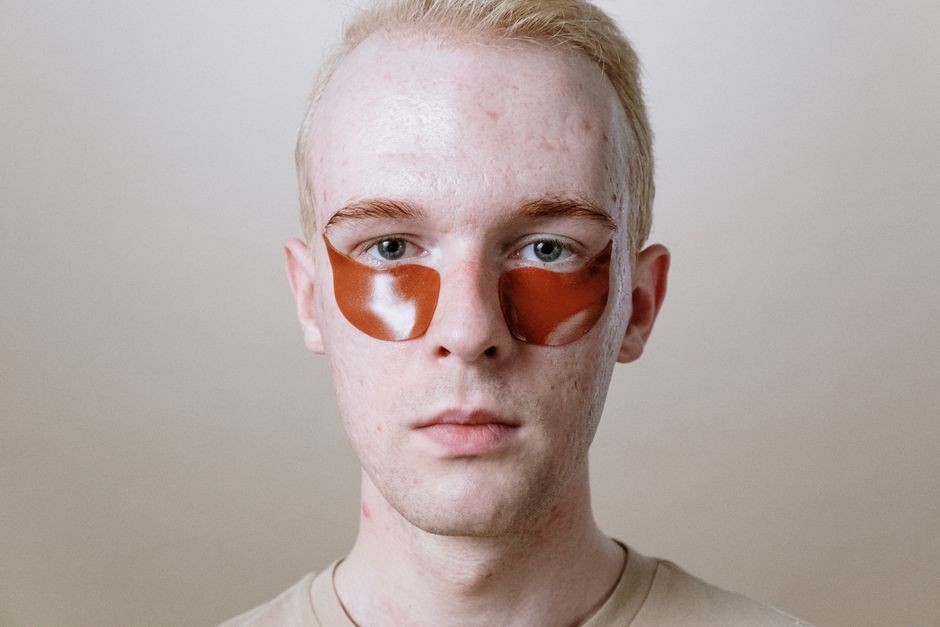
Inflammatory acne is the type of acne that appears as red, swollen, and often painful bumps on the skin. Unlike blackheads or whiteheads, which are non-inflamed, inflammatory acne involves the skin’s immune system responding to blocked pores. These lesions look like red papules, pus-filled pustules, or deep, tender nodules and cysts. Recognizing the visual signs early is the first step toward managing the condition effectively.
What Does Inflammatory Acne Look Like?
Inflammatory acne looks like raised, red bumps that are often tender to the touch. The redness is a direct sign of inflammation, which is the body’s immune response to bacteria and trapped oil inside the pore. The skin around the bump may be swollen, and the lesion itself can range from a small, firm dot to a large, soft cyst.
There are several distinct forms of inflammatory acne, and they look different from one another. The most common types are papules, pustules, nodules, and cysts. Papules are small, red, solid bumps. Pustules look similar but have a white or yellow center filled with pus. Nodules are larger, hard, and deeply embedded in the skin. Cysts are the most severe form and feel like soft, fluid-filled lumps beneath the surface.
How Is Inflammatory Acne Different From Non-Inflammatory Acne?
Non-inflammatory acne includes blackheads and whiteheads. These are clogged pores that do not trigger an immune response. They appear as flat or slightly raised bumps that are not red and usually do not hurt. Blackheads look dark because the oil inside the pore is exposed to air and oxidizes. Whiteheads are closed pores with a white or flesh-colored surface.
Inflammatory acne is different because the pore becomes infected or irritated, causing the body to send white blood cells to the area. This process creates redness, swelling, and pain. If you press on a non-inflammatory blackhead, it feels like a small grain under the skin. If you press on an inflammatory papule, it feels tender and firm because of the underlying immune activity.
Some people have both types at the same time. It is common to see blackheads on the nose while inflammatory pustules appear on the chin or cheeks. The two types require different approaches to treatment, so telling them apart matters.
What Causes the Redness and Swelling?
The redness and swelling in inflammatory acne come from the body’s immune response. When a pore becomes blocked with excess oil and dead skin cells, a bacteria called Cutibacterium acnes can multiply inside. The immune system detects this and sends white blood cells to fight the bacteria. This response produces chemicals that increase blood flow to the area, causing redness and heat. Fluid also accumulates, which creates swelling.
This process is similar to what happens when you get a splinter. The body reacts to a foreign invader by inflaming the surrounding tissue. In acne, the invader is bacteria trapped inside a blocked pore. The severity of the inflammation depends on how deep the blockage is and how strongly the immune system reacts. Some people naturally produce a stronger inflammatory response, which is why the same amount of acne can look much worse on one person than another.
Hormones also play a role. Androgens, which are male sex hormones present in both men and women, can increase oil production. When oil production spikes, the chance of pore blockage and subsequent inflammation rises. This is why acne often flares during puberty, menstrual cycles, and times of hormonal change.




What Do the Different Types of Inflammatory Acne Look Like?
Each type of inflammatory acne has a distinct appearance. Recognizing the difference helps you understand severity and what treatments might be appropriate.
- Papules: Small, red, solid bumps. They are usually less than 5 millimeters across and do not have a visible head. The skin around them looks pink or red and feels slightly raised.
- Pustules: Similar to papules but with a visible white or yellow center. This center is pus, which is a mixture of white blood cells, bacteria, and dead skin cells. Pustules are what most people call “pimples” or “zits.”
- Nodules: Large, hard bumps that sit deep in the skin. They feel firm and can be quite painful. Nodules do not have a visible head and often do not come to the surface. They can persist for weeks or months.
- Cysts: Deep, soft, fluid-filled lumps. They are the most severe form of inflammatory acne. Cysts feel like a balloon under the skin and can be very painful. They often leave scars after they heal.
Nodules and cysts are sometimes grouped together and called nodulocystic acne. This is a severe form that requires medical treatment. Over-the-counter products are rarely strong enough to manage these deep lesions.
Where Does Inflammatory Acne Usually Appear?
Inflammatory acne can appear anywhere on the body where oil glands exist. The face is the most common location, particularly the forehead, cheeks, chin, and jawline. The chest and back also have many oil glands and are frequent sites for inflammatory lesions.
Some patterns are linked to underlying causes. Acne along the jawline and lower face is often associated with hormonal fluctuations in adults. Acne on the forehead and T-zone is more common during the teenage years. However, these patterns are not absolute rules. Many people have inflammatory acne in multiple locations at once.
Body acne on the chest and back can look different from facial acne. The lesions are often larger and more numerous because the skin there is thicker. They can also be more painful because of friction from clothing.
How Long Does Inflammatory Acne Last?
The duration of an individual inflammatory lesion varies by type. A papule or pustule typically lasts a few days to a week. It forms, comes to a head or resolves, and then fades. Nodules and cysts last much longer. They can persist for weeks or even months because they are deeply embedded in the skin.
The redness, or post-inflammatory erythema, can remain long after the bump itself has flattened. This is not a scar but a temporary discoloration caused by dilated blood vessels. It can take months to fade completely. Dark spots, called post-inflammatory hyperpigmentation, are also common after inflammatory acne heals. These are more noticeable in people with darker skin tones.
Scarring is a separate concern. Inflammatory acne, especially nodules and cysts, can damage the skin’s collagen and leave permanent scars. This is why dermatologists emphasize early treatment of inflammatory acne. Treating it sooner reduces the risk of permanent marks.
When Should You See a Dermatologist?
You should see a dermatologist if you have painful, deep lesions that do not respond to over-the-counter treatments. Nodules and cysts are signs of severe acne that often require prescription medication. If you are developing scars or dark spots after lesions heal, that is another reason to seek medical care.
Over-the-counter products containing benzoyl peroxide and salicylic acid can help with mild papules and pustules. These ingredients reduce bacteria and help unclog pores. However, they are not strong enough for nodules and cysts. Dermatologists can prescribe topical retinoids, oral antibiotics, or other medications that target deeper inflammation.
If acne is affecting your emotional well-being or self-esteem, that is also a valid reason to see a doctor. Acne is a medical condition, not a cosmetic issue. Seeking treatment early can prevent both physical scars and emotional distress.
Can You Prevent Inflammatory Acne?
You cannot completely prevent inflammatory acne because genetics and hormones play a major role. However, you can reduce your risk of flare-ups. Washing the face twice daily with a gentle cleanser removes excess oil and dead skin. Non-comedogenic moisturizers and sunscreens are less likely to clog pores.
Avoid picking or squeezing inflammatory lesions. Squeezing pushes bacteria and oil deeper into the skin, making the inflammation worse. It also increases the risk of scarring. Letting a lesion run its course is better than trying to pop it.
Some evidence suggests that a diet high in refined sugars and dairy may worsen acne in some people. The evidence is not strong enough to recommend a specific diet for everyone. If you notice a pattern between certain foods and your breakouts, it is reasonable to reduce those foods and see if it helps.
Frequently Asked Questions
What is the fastest way to reduce inflammatory acne redness?
Ice wrapped in a clean cloth applied for a few minutes can temporarily reduce swelling and redness. Prescription-strength topical treatments are the most effective long-term way to control inflammation.
Can inflammatory acne go away without treatment?
Mild papules and pustules can resolve on their own within days to a week. Nodules and cysts usually require medical treatment to resolve completely and prevent scarring.
Is it safe to pop an inflammatory pimple?
No. Popping pushes bacteria deeper into the skin and increases the risk of infection and permanent scarring. Let the lesion heal on its own or see a dermatologist for professional extraction.
Does toothpaste help inflammatory acne?
No. There is no clinical evidence that toothpaste treats acne, and it can irritate the skin and worsen inflammation. Use products formulated for acne instead.
