
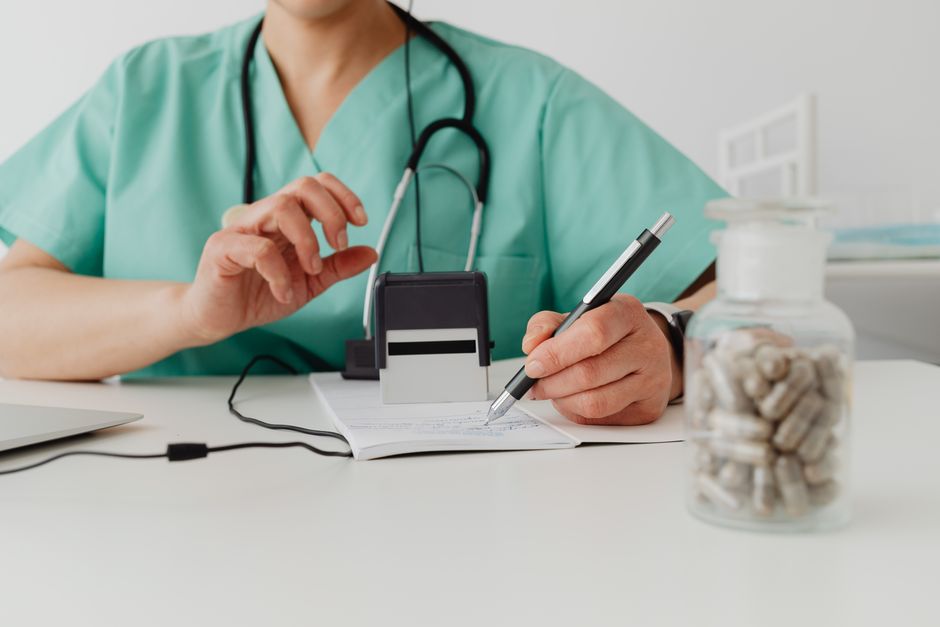
Acne is one of the most common reasons people see a dermatologist. If you walked into a clinic today with active breakouts, the doctor would likely start with a specific plan based on your skin type and the severity of your acne. Most dermatologists prescribe a combination of a topical retinoid and either benzoyl peroxide or a topical antibiotic. For moderate to severe cases, they often add an oral medication like an antibiotic or spironolactone for women. The exact choice depends on whether your acne is mostly blackheads, inflamed pimples, or deep cysts.
What Is The First-Line Treatment A Dermatologist Chooses?
Topical retinoids are the backbone of almost every acne prescription. These are vitamin A derivatives that work by normalizing the way skin cells shed. In acne-prone skin, dead cells stick together and clog pores. Retinoids prevent that clogging process before a pimple even forms.
Common examples include tretinoin, adapalene, and tazarotene. Adapalene is available over the counter at 0.1% strength, but dermatologists often prescribe higher strengths or other retinoids for better results. These medications require consistent use for 8 to 12 weeks before you see significant improvement. Many people stop too early because they experience dryness and peeling in the first month, but that initial irritation often settles down.
Retinoids are not spot treatments. They work best when applied to the entire affected area, not just on individual pimples. This prevents new breakouts from forming rather than only treating ones that already exist.
When Does A Dermatologist Prescribe An Antibiotic?
Inflammatory acne — the red, tender bumps that hurt — usually responds to antibiotics that reduce skin bacteria and calm inflammation. The bacteria Cutibacterium acnes plays a role in acne, but it is not the root cause. Antibiotics help by lowering bacterial numbers and reducing the immune response that creates red, swollen lesions.
Topical antibiotics like clindamycin are often combined with benzoyl peroxide. This combination works better than either alone and reduces the risk of antibiotic resistance. Benzoyl peroxide kills bacteria without allowing them to develop resistance, which is why dermatologists rarely prescribe a topical antibiotic by itself.
Oral antibiotics are reserved for moderate to severe inflammatory acne. Doxycycline and minocycline are the most common choices. These are typically prescribed for 3 to 4 months, not long-term. Once your skin improves, the dermatologist usually transitions you to a maintenance routine with retinoids and benzoyl peroxide. Long-term antibiotic use is avoided because of resistance concerns and side effects like yeast infections or digestive upset.
What About Hormonal Treatments For Acne?
For women with acne that flares around their menstrual cycle or along the jawline and chin, hormonal therapy is a common prescription. Spironolactone is a medication that blocks androgen receptors. Androgens stimulate oil production, and blocking them reduces the oil that feeds acne.
Spironolactone is taken daily as a pill. It can take up to 3 months to show meaningful results. Dermatologists often prescribe it alongside a topical retinoid. It is not used in men because it can cause breast tenderness and other feminizing effects. Women who are pregnant or planning pregnancy should not take it because it can affect fetal development.
Combined oral contraceptives are another hormonal option. Birth control pills containing estrogen and progestin can improve acne by reducing circulating androgens. Several formulations are FDA-approved specifically for acne treatment. These require a prescription and take 3 to 6 months to show full effect.





How Are Severe Or Cystic Acne Cases Treated?
Deep, painful nodules and cysts do not respond well to topical treatments alone. For severe nodular acne, dermatologists frequently prescribe isotretinoin. This oral retinoid is the closest thing to a cure that exists for acne. It shrinks oil glands, normalizes skin cell shedding, and reduces bacteria — attacking the condition from multiple angles at once.
Isotretinoin treatment typically lasts 4 to 6 months. Most people see dramatic clearing, and many remain clear for years afterward. Some need a second course if acne returns.
Isotretinoin has significant side effects and requires close monitoring. It causes severe birth defects, so women must use two forms of birth control and take monthly pregnancy tests. Blood tests monitor liver enzymes and cholesterol levels because the drug can affect both. Dry skin, chapped lips, and joint aches are common during treatment. Because of these requirements, isotretinoin is prescribed only after other treatments have failed.
Do Dermatologists Prescribe Anything For Acne Scars?
Acne scars require a different approach than active breakouts. Once the acne is under control, dermatologists address scars based on their type. Ice pick scars, boxcar scars, and rolling scars each respond to different treatments.
Procedures like microneedling, laser resurfacing, and chemical peels are common in-office treatments. These work by stimulating collagen production or removing damaged skin layers. Subcision — a procedure that breaks up the fibrous bands pulling skin down — helps with rolling scars. Dermal fillers can temporarily lift certain scar types.
No topical cream erases true acne scars. Prescription-strength retinoids and vitamin C serums can improve skin texture and fade dark spots, but they cannot rebuild lost collagen in deep scars. Dark marks left after a pimple heals are called post-inflammatory hyperpigmentation, not true scars. These often fade over months and respond to retinoids, hydroquinone, or azelaic acid.
How Long Does Prescription Acne Treatment Take To Work?
Acne treatment is slow. Most prescription medications require 8 to 12 weeks before meaningful improvement appears. Retinoids work by changing cell behavior, and that change takes time. Antibiotics reduce inflammation faster, often within 4 to 6 weeks, but they are not meant for long-term use.
Dermatologists typically schedule a follow-up visit at 8 to 12 weeks after starting a new medication. This appointment allows them to assess response and adjust the plan. If there is no improvement by that point, they may increase the strength, add another medication, or switch to a different approach.
Patience is essential. Many people try a prescription for 2 to 3 weeks and stop because they see no change. That is not enough time for most acne medications to work. The exception is isotretinoin, which often shows visible improvement within the first month, though full clearing takes months.
What Can You Expect At A Dermatology Appointment For Acne?
A dermatologist will examine your skin and ask about your current routine, medications, and medical history. They will look at the types of lesions you have — blackheads, whiteheads, papules, pustules, nodules, or cysts. This examination determines the treatment category.
Be prepared to list every product you use on your face, including cleansers, moisturizers, and makeup. Some products worsen acne without being obvious culprits. The dermatologist may also ask about stress, sleep, and diet because these factors influence acne in some people.
You will likely leave with a prescription and instructions to use it consistently for at least 2 to 3 months. The dermatologist should explain how to apply each product, when to use it, and what side effects to expect. If the instructions are unclear, ask before leaving the office.
Are Over-The-Counter Products Ever Enough?
Mild acne sometimes responds well to over-the-counter options. The most evidence-backed ingredients are benzoyl peroxide, salicylic acid, and adapalene 0.1%. These treat existing pimples and help prevent new ones when used consistently.
If you have tried these products correctly for 8 to 12 weeks without meaningful improvement, a dermatologist can offer stronger options. Trying multiple over-the-counter products at once is rarely helpful and often irritates the skin. A simple routine with proven ingredients beats a complicated one with many unproven products.
Products labeled “for acne” that contain botanical extracts, essential oils, or proprietary blends often lack clinical evidence. Some can even clog pores or cause contact dermatitis. Stick with ingredients that have decades of research behind them.
What Happens After Your Acne Clears?
Acne is a chronic condition for many people. Clearing it does not mean it will stay clear without maintenance. Dermatologists usually recommend continuing a topical retinoid long-term to prevent new breakouts. This is the single most effective maintenance strategy.
Benzoyl peroxide can be used as needed for spot treatment or a few times per week for prevention. Oral medications like antibiotics and spironolactone are not meant for indefinite use. Once your skin stabilizes, the goal is to maintain results with topical therapy alone.
Some people outgrow acne after their teens or twenties. Others need ongoing treatment for years. Your dermatologist can help you find the lowest-strength, simplest regimen that keeps your skin clear without unnecessary side effects.
Frequently Asked Questions
What is the most common prescription for acne?
A topical retinoid like tretinoin or adapalene is the most common first prescription. It prevents clogged pores and is often combined with benzoyl peroxide or clindamycin for inflammatory acne.
How fast do prescription acne medications work?
Most prescription treatments take 8 to 12 weeks to show meaningful improvement. Oral antibiotics may reduce inflammation in 4 to 6 weeks, but topical retinoids require consistent daily use for months.
Will a dermatologist prescribe antibiotics for mild acne?
Usually not. Mild acne typically responds to topical retinoids and benzoyl peroxide. Oral antibiotics are reserved for moderate to severe inflammatory acne that has not improved with topical treatment.
Can a dermatologist prescribe acne medication without an in-person visit?
Many dermatologists offer telehealth visits for acne. They can prescribe topical treatments and some oral medications after a video consultation, though isotretinoin requires in-person monitoring and blood tests.
