
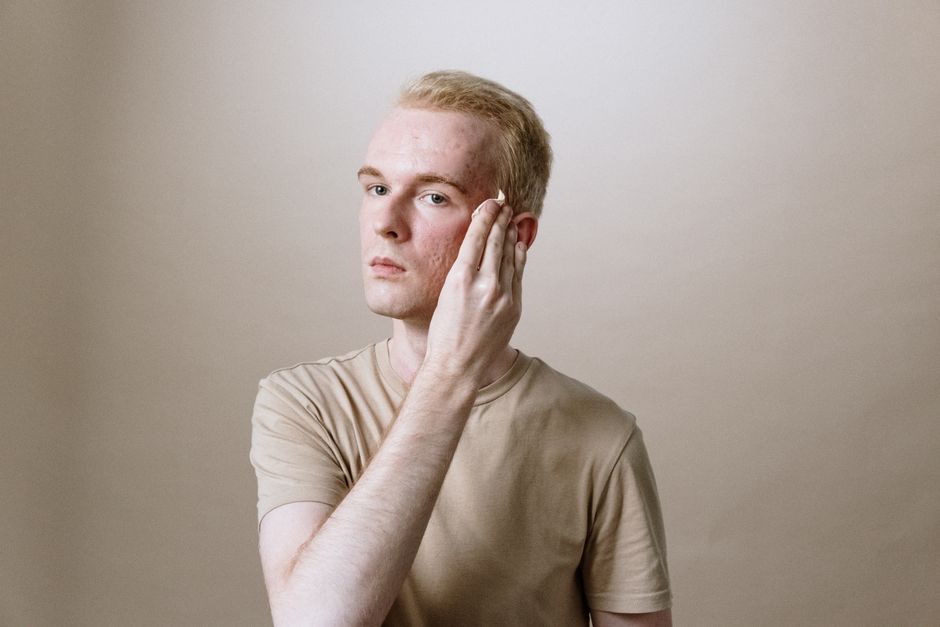
Acne is wet, inflamed, and frustrating. The instinct is to dry it out with harsh products. That instinct often backfires. What truly dries out acne without making it worse is a combination of the right active ingredients, gentle skin barrier support, and a strict “less is more” approach. Benzoyl peroxide and salicylic acid are the proven workhorses, but only when used correctly. Over-drying triggers your skin to produce more oil, creating a cycle of breakouts and irritation. The goal is to reduce oil and bacteria without stripping the skin’s natural protective layer.
Why Harsh Drying Makes Acne Worse
Acne forms when hair follicles become clogged with oil and dead skin cells. Bacteria called C. acnes then multiply in that clogged pore, causing inflammation. When you aggressively strip the skin with harsh soaps or rubbing alcohol, you remove all the oil. Your skin senses this loss and overcompensates by producing even more oil to protect itself.
This is often called the rebound effect. The temporary “squeaky clean” feeling is actually a sign of damage. That tight, dry sensation means you have stripped the skin barrier. A damaged barrier loses water, becomes red and flaky, and is more vulnerable to bacteria. The result is more acne, not less.
Harsh products also cause microscopic cracks in the skin. These cracks allow irritants in and moisture out. The skin becomes inflamed, and existing pimples take longer to heal. New pimples often form in the irritated areas.
Benzoyl Peroxide: The Bacteria Killer
Benzoyl peroxide is the most effective over-the-counter drying agent for acne. It works by releasing oxygen into the pore, which kills C. acnes bacteria. It is not a gentle ingredient, but it is effective when used properly.
Start with a low concentration. Products with 2.5% benzoyl peroxide are as effective as 5% or 10% formulas but cause far less irritation. Apply it only to active breakouts or the areas where you typically break out. Leave it on for a short time and rinse off if your skin is sensitive. This is called short-contact therapy and it reduces side effects while maintaining effectiveness.
Benzoyl peroxide bleaches fabric. Use white pillowcases and towels, or wait until the product is fully absorbed before touching bedding. It can also make your skin more sensitive to sunlight, so daily sunscreen is non-negotiable if you use this ingredient.
Salicylic Acid: The Pore Unclogger
Salicylic acid is a beta-hydroxy acid (BHA). Unlike benzoyl peroxide, it does not kill bacteria directly. Instead, it dissolves the glue that holds dead skin cells together. This allows the pore to shed cells normally instead of trapping them. It also penetrates into the pore to clear out oil.
Salicylic acid is oil-soluble. This is why it is effective for acne. It can travel through the oily sebum in your pore and work from the inside. It is gentler than benzoyl peroxide for many people and works well for blackheads and whiteheads.
Use a salicylic acid cleanser or leave-on treatment. A 2% concentration is the standard effective dose in over-the-counter products. Like benzoyl peroxide, it can dry the skin if overused. Start with every other day and increase frequency only if your skin tolerates it.
Niacinamide and Zinc: The Calming Support
Drying acne without making it worse requires calming the inflammation at the same time. Niacinamide, a form of vitamin B3, does exactly this. It reduces redness, regulates oil production, and helps repair the skin barrier. It is well-tolerated by most skin types and pairs well with both benzoyl peroxide and salicylic acid.
Zinc is another anti-inflammatory ingredient found in many acne products. It is often combined with niacinamide in serums. Zinc helps reduce the redness and swelling of active pimples. It does not dry out the skin the way benzoyl peroxide does, making it a good option for sensitive skin.
These ingredients do not directly kill bacteria or unclog pores. They support the skin while the active ingredients do the work. A routine that only dries without calming will always fail. The skin needs both actions to heal.
Moisturizer Is Not Optional
Many people with acne skip moisturizer because they fear it will cause more breakouts. This is a mistake. Moisturizer is essential when using drying acne treatments.
Choose a non-comedogenic moisturizer. This means it is formulated not to clog pores. Gel-based or water-based moisturizers are best for oily skin. Look for ingredients like hyaluronic acid or glycerin, which hydrate without adding heavy oils.
Apply moisturizer after your acne treatment has dried. This seals in hydration and protects the skin barrier. If your skin is red or peeling from acne medication, moisturizer is the first step in fixing that damage. A damaged barrier will always produce more oil and more acne.
What to Avoid Completely
Some common acne remedies make things worse. Avoid rubbing alcohol, which strips the skin and causes rebound oil production. Avoid toothpaste, which contains ingredients that irritate the skin and cause contact dermatitis. Avoid harsh physical scrubs with beads or shells, which create micro-tears and spread bacteria.
Do not pop, squeeze, or pick at pimples. This pushes bacteria deeper into the skin and causes scarring. It also prolongs healing time and increases inflammation. Let the active ingredients do their work over time.
Avoid combining multiple strong active ingredients at once unless directed by a dermatologist. Using benzoyl peroxide, salicylic acid, and retinol all in the same routine often causes severe irritation. The irritation makes acne look worse and slows healing.
How Long Until You See Results
Acne treatments do not work overnight. Benzoyl peroxide and salicylic acid need time to reduce bacteria and unclog pores. Most people see improvement within 4 to 6 weeks of consistent use. Full results can take up to 12 weeks.
During the first few weeks, your skin may appear worse before it improves. This is sometimes called purging. As the active ingredients speed up cell turnover, existing clogged pores come to the surface. This is not a sign the treatment is failing. It is a normal part of the process.
If your skin becomes severely red, painful, or blistered, stop the treatment. This is contact irritation, not purging. Let your skin recover for a few days before trying a gentler approach or a lower concentration.
When to See a Dermatologist
Over-the-counter treatments work for mild to moderate acne. If your acne is severe, painful, cystic, or leaving permanent scars, see a dermatologist. Prescription treatments like topical retinoids, antibiotics, or oral medications are often more effective.
A dermatologist can also determine if your breakouts are actually acne. Conditions like rosacea, folliculitis, or perioral dermatitis can look like acne but require different treatments. Using acne products on these conditions can make them worse.
If over-the-counter products have not improved your skin after 12 weeks of consistent use, professional help is the next step. There is no shame in needing prescription treatment. Acne is a medical condition, not a hygiene failure.
The Bottom Line on Drying Acne
Effective acne drying is about precision, not force. Use benzoyl peroxide to kill bacteria. Use salicylic acid to unclog pores. Calm the skin with niacinamide or zinc. Moisturize every single day. Avoid harsh stripping agents and physical scrubs.
Your skin is not the enemy. Treating it with respect and patience will always produce better results than aggressive drying. If a product makes your skin feel tight, itchy, or painful, it is causing damage. Stop using it and simplify your routine.
The right approach is consistent, gentle, and evidence-based. It takes time, but it works.
Frequently Asked Questions
Can toothpaste dry out a pimple overnight?
No. Toothpaste contains ingredients like fluoride and baking soda that irritate the skin and cause redness or chemical burns. It does not kill acne bacteria effectively and can make the area worse.
Is it okay to skip moisturizer if my skin is oily?
No. Skipping moisturizer causes your skin to produce more oil to compensate for the dryness. Use a lightweight, non-comedogenic gel moisturizer to protect your skin barrier.
How often should I use benzoyl peroxide?
Start with once daily or every other day to see how your skin reacts. If you experience redness or peeling, reduce frequency or switch to a lower concentration like 2.5%.
Why is my acne worse after using salicylic acid?
This may be purging, which happens when the ingredient speeds up cell turnover and brings existing clogs to the surface. Purging usually resolves within a few weeks. If irritation is severe or painful, stop use and consult a dermatologist.
