
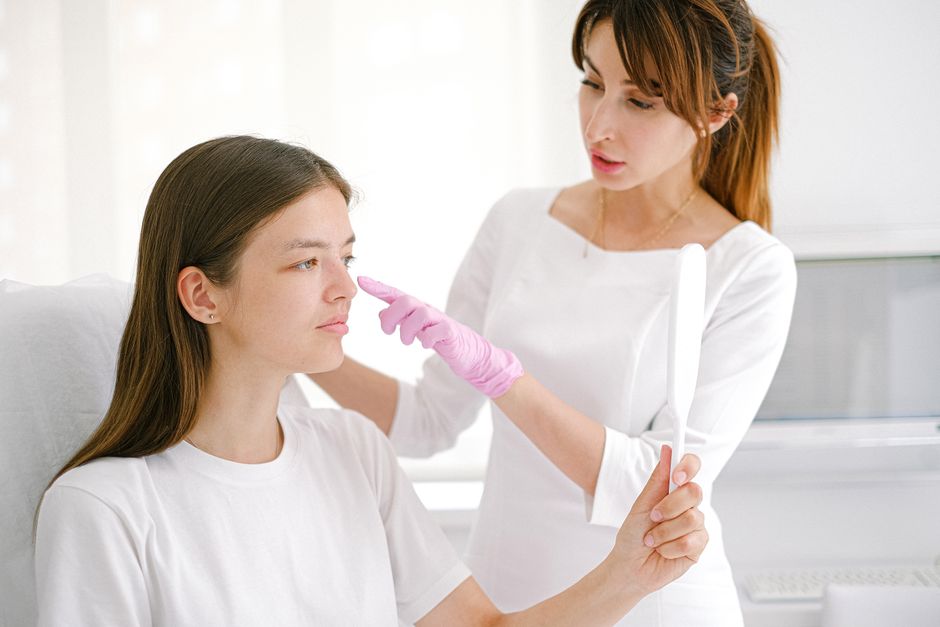
A full-body skin check is a visual exam of your skin, head to toe, done by a dermatologist to look for skin cancer, especially melanoma, and other concerning growths. You will undress to your underwear, put on a paper gown, and the doctor will inspect your skin with a dermatoscope, a special magnifying lens. The exam typically takes 10 to 15 minutes, and you will get the results immediately, including whether any spots need a biopsy or just monitoring.
Why Do I Need A Full-Body Skin Exam?
The main goal is early detection of skin cancer. When found early, most skin cancers are highly treatable. Melanoma, the most dangerous form, is much easier to treat before it spreads deep into the skin.
Regular skin checks are especially important if you have a history of sunburns, use tanning beds, have many moles, or have a family history of melanoma. Some dermatologists recommend yearly checks for people at higher risk. For others, every few years may be enough.
Your doctor will help you decide the right schedule based on your personal risk factors. The exam is not just about cancer. It is also a chance to check other skin conditions like eczema, psoriasis, or suspicious growths that are not cancer.
What Happens During The Appointment?
You will start by filling out a short questionnaire about your health history, sun exposure, and any spots that concern you. Then you will be asked to remove your clothing down to your underwear. You will wear a disposable paper gown or drape during the exam.
The dermatologist will examine your skin systematically. They usually start at your scalp and work down to your feet. They will look at your face, ears, neck, chest, back, arms, hands, legs, and the soles of your feet. They will also check between your fingers and toes, and under your nails.
They use a dermatoscope for most of the exam. This handheld device has a bright light and a magnifying lens. It lets the doctor see structures in the skin that are not visible to the naked eye. This helps them tell the difference between a harmless mole and something that needs a closer look.
What Does A Dermatologist Look For?
Dermatologists use a set of rules to evaluate moles and other pigmented spots. The most common one is the ABCDE rule. It is a simple way to remember the warning signs of melanoma.
- Asymmetry: One half of the mole does not match the other half.
- Border: The edges are irregular, ragged, or blurred.
- Color: The mole has multiple colors or uneven shades of brown, black, or red.
- Diameter: The spot is larger than 6 millimeters, about the size of a pencil eraser.
- Evolving: The mole changes in size, shape, or color over time.
The ABCDE rule is a screening tool, not a diagnosis. Many harmless moles can have one or two of these features. The doctor looks at the whole picture, including how the spot looks under the dermatoscope, to decide if a biopsy is needed.
They also look for what they call the “ugly duckling” sign. This means a mole that looks completely different from all your other moles. It stands out from the crowd. This can be a warning sign even if it does not fit the ABCDE criteria perfectly.





What Is A Skin Biopsy?
If the doctor finds a spot that looks suspicious, they will likely recommend a biopsy. This is the only way to know for sure if a spot is cancer. A biopsy involves numbing the area with a local anesthetic and removing a small piece of the skin.
There are a few types of biopsies. A shave biopsy removes the top layers of skin with a small blade. A punch biopsy uses a circular tool to remove a deeper, cylindrical piece of skin. An excisional biopsy removes the entire spot along with a small margin of normal skin around it.
The procedure takes only a few minutes. You will feel a brief sting from the numbing injection, but you should not feel any pain during the biopsy itself. The sample is sent to a lab, and results usually come back in one to two weeks.
Most biopsies come back benign, meaning the spot is not cancer. If it is cancer, the pathology report will tell the doctor the type and depth of the cancer, which guides the next steps in treatment.
What Happens After The Exam?
You will know the results of the visual exam right away. The doctor will tell you which spots are fine, which ones need monitoring, and which ones need a biopsy. You will not have to wait for the visual portion of the exam.
If no concerning spots are found, you are done. You will get dressed and go home. The doctor may recommend you return for another check in a year or in a few years, depending on your risk.
If you had a biopsy, you will need to wait for the lab results. The biopsy site may have a small bandage. You will get instructions on how to care for it, including keeping it clean and watching for signs of infection like increased redness, pain, or drainage.
How Should I Prepare For My Skin Check?
Preparation is simple. Do not wear makeup, nail polish, or lotion on the day of your appointment. These products can hide the skin and make the exam less accurate.
Wear your hair loose or in a way that lets the doctor see your scalp. If you have long hair, a ponytail or braid that can be moved easily is helpful.
Make a list of any spots that concern you. Point them out to the doctor at the start of the exam. This ensures they are not missed. Also, mention any new moles, sores that do not heal, or spots that itch or bleed.
Bring your medical history, including a list of medications. Some medications can affect the skin, so the doctor needs to know what you take. If you have had skin cancer before, bring records of your previous treatments if possible.
Are There Any Risks Or Downsides?
The exam itself is painless and has no risks. The only downside is the possibility of a biopsy that turns out to be benign. This is common, and it is not a mistake. It is simply the safest way to rule out cancer when a spot looks suspicious.
Another downside is that skin checks are not perfect. Some early melanomas can be very subtle and hard to see, even with a dermatoscope. This is why regular checks are important. A spot that looks fine today might change later, and you are the best person to notice that change.
There is also the issue of over-diagnosis. Some slow-growing skin cancers may never cause harm if left alone. But because doctors cannot always tell which ones will behave aggressively, they often remove them. This is a debated area in dermatology, and the approach varies by doctor and by the specific lesion.
Frequently Asked Questions
Does a skin check hurt?
No, the visual exam is completely painless. A biopsy involves a numbing injection that stings briefly, but the removal itself should not hurt.
How long does a full-body skin check take?
Most full-body skin exams take about 10 to 15 minutes. The appointment may be longer if you need a biopsy or have many moles to evaluate.
Do I have to take off all my clothes?
You will be asked to undress to your underwear and wear a paper gown. The doctor examines all skin, including areas covered by clothing, but you are covered with a drape during the exam.
How often should I get a skin check?
For people at average risk, every one to three years is reasonable. People with a history of skin cancer, many moles, or other risk factors may need yearly exams. Your dermatologist will give you a specific recommendation.
