
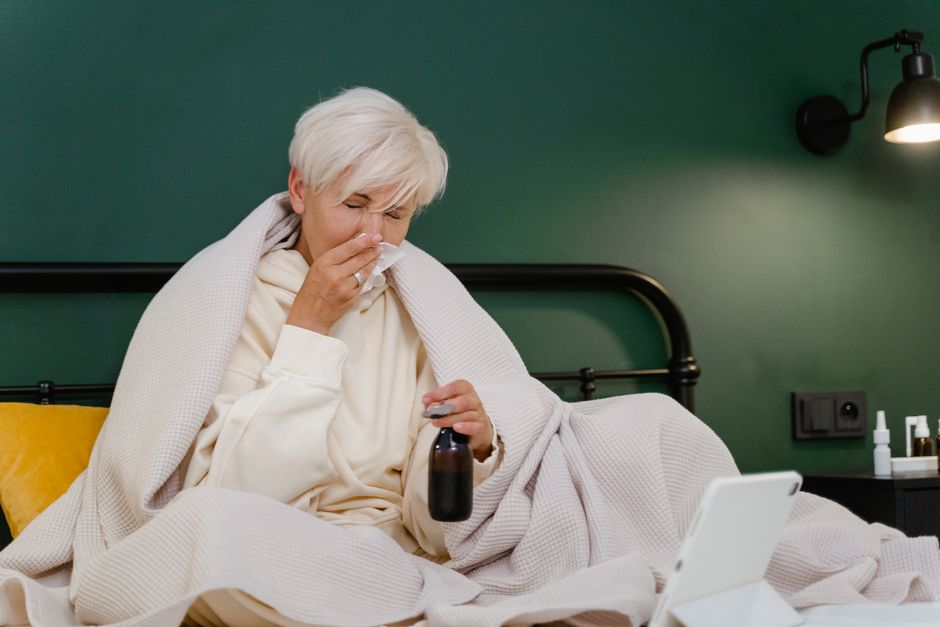
Nothing cures the common cold. No pill, no shot, no herbal remedy eliminates the virus once it takes hold. The best approach is straightforward: rest, drink plenty of fluids, and treat symptoms as they appear. Most colds run their course in 7 to 10 days with or without treatment. Your goal is to feel better while your immune system does the work.
What Works Beest For A Cold?
Rest and fluids come first. Your body needs energy to fight the virus, and sleep gives your immune system its best chance. Water, broth, and warm tea help replace fluids lost from fever or mucus production.
For symptom relief, several options have solid evidence behind them. Acetaminophen (Tylenol) and ibuprofen (Advil, Motrin) reduce fever and ease body aches. Decongestants like pseudoephedrine (Sudafed) can relieve nasal congestion. Honey is a well-supported remedy for nighttime cough in adults and children over age one.
Saline nasal sprays and neti pots (when used with distilled or boiled water) can flush mucus and ease stuffiness. Lozenges or hard candy may soothe a sore throat. These treatments do not shorten the illness, but they can make the experience easier to manage.
Do Over-the-Counter Cold Medicines Help?
Many combination cold products contain multiple ingredients — a pain reliever, a decongestant, an antihistamine, and sometimes a cough suppressant. They may offer convenience, but evidence for their overall effectiveness is mixed.
Decongestants work for nasal stuffiness in most people. Antihistamines may help with sneezing and runny nose, especially older ones like diphenhydramine (Benadryl). However, these can cause drowsiness. Newer antihistamines like loratadine (Claritin) are less likely to cause sleepiness but may not work as well for cold symptoms.
Cough suppressants like dextromethorphan have modest evidence at best. Some studies show a small benefit, while others find no real difference from placebo. Expectorants like guaifenesin (Mucinex) are meant to thin mucus, but research on their effectiveness is limited.
The honest answer: these products may offer some relief, but they do not make the cold go away faster. Read labels carefully. Avoid taking multiple products that contain the same ingredient, especially acetaminophen, which can cause liver damage in high doses.
What About Zinc and Vitamin C?
Zinc has the strongest evidence among supplements for colds. Some research suggests that zinc lozenges taken within 24 hours of symptom onset may shorten cold duration by a day or two. The dose matters, and not all forms of zinc work the same way. Zinc lozenges that provide 75 mg or more of elemental zinc daily have shown the most consistent results. However, long-term use of high-dose zinc can cause copper deficiency and nausea.
Vitamin C is more modest. Taking vitamin C regularly before a cold starts does not prevent colds in most people. It may slightly reduce the duration and severity of symptoms once a cold begins. The benefit is small — roughly 8 to 10 percent reduction in symptom days in adults.
Echinacea is widely used, but evidence is inconsistent. Some studies report a small benefit for reducing symptom duration, while others find no effect. The quality and preparation of echinacea products vary widely, making it difficult to draw firm conclusions.
No clinical evidence currently confirms that any supplement can prevent a cold. Washing hands, avoiding close contact with sick people, and not touching your face remain the most effective prevention strategies.





Does Chicken Soup Really Help?
Chicken soup has been a cold remedy for generations, and some research supports it. One laboratory study found that chicken soup may have mild anti-inflammatory effects by reducing the movement of neutrophils, a type of immune cell involved in inflammation. This could theoretically ease cold symptoms.
The hot liquid itself is beneficial. Warm soup or broth helps thin mucus, soothe a sore throat, and keep you hydrated. The steam from hot soup can also temporarily relieve nasal congestion. The sodium in broth may help with fluid retention, though this is not a proven benefit for colds specifically.
The evidence here is limited. No large human trials have confirmed that chicken soup shortens colds or reduces symptoms more than any other warm liquid. But it is safe, nutritious, and makes most people feel better — and that matters.
When Should You See a Doctor for a Cold?
Most colds do not require a medical visit. But certain symptoms warrant attention. See a doctor if you have a fever above 101.3°F (38.5°C) that lasts more than three days, if you have difficulty breathing, if you develop chest pain, or if you cannot keep fluids down due to vomiting or nausea.
Also seek medical care if symptoms improve and then suddenly get worse — this can signal a secondary bacterial infection like pneumonia or sinusitis. Green nasal discharge alone does not necessarily mean you have a bacterial infection. It is a normal part of the immune response and can occur with viral colds as well.
People with asthma, COPD, heart conditions, or weakened immune systems should check with their doctor early in a cold. Children under three months old with a fever should always be evaluated by a pediatrician.
Can Antibiotics Treat a Cold?
No. Antibiotics kill bacteria, not viruses. The common cold is caused by viruses — most often rhinoviruses, but also coronaviruses, adenoviruses, and others. Taking antibiotics for a cold does not help and contributes to antibiotic resistance, a serious public health problem.
If your doctor diagnoses a secondary bacterial infection like strep throat or bacterial sinusitis, antibiotics may be appropriate. But for a straightforward cold, they have no role. Do not pressure your doctor for an antibiotic prescription for a cold.
Does Humidity or Steam Help a Cold?
Moist air can temporarily ease nasal congestion and soothe irritated airways. Some studies suggest that steam inhalation may provide short-term relief for cold symptoms, but the evidence is not strong. A few small trials found no significant difference between steam and placebo for cold symptoms.
Dry indoor air can worsen nasal dryness and discomfort. Using a humidifier may help, especially during winter months when indoor air is driest. Clean the humidifier regularly to prevent mold and bacterial growth.
There is no good evidence that steam inhalation kills cold viruses or shortens illness. It may make you feel more comfortable temporarily, which is a reasonable goal if you find it soothing.
How Long Is a Cold Contagious?
You are contagious from one day before symptoms begin until about five to seven days after symptoms start. The highest contagious period is the first two to three days of illness. Some people, especially young children and those with weakened immune systems, may spread the virus for longer.
Colds spread through droplets when a sick person coughs, sneezes, or talks. The virus can also survive on surfaces for several hours. Hand washing and covering coughs and sneezes remain the best ways to protect others.
Frequently Asked Questions
How long should I stay home with a cold?
Stay home while you have fever and for 24 hours after it breaks without using fever-reducing medicine. For mild colds without fever, use your judgment — if you feel well enough to work and can avoid close contact with others, returning to normal activity is usually fine.
Can exercise make a cold worse?
Light activity like walking is generally safe if symptoms are above the neck — runny nose, sneezing, mild sore throat. Avoid intense exercise if you have fever, body aches, or chest congestion, as it may stress your immune system and prolong recovery.
Is it safe to take cold medicine every day?
Cold medicines are meant for short-term use, typically less than a week. Using decongestants daily for more than seven days can cause rebound congestion. Acetaminophen should not exceed 3,000 mg per day for most adults to avoid liver damage. Follow package directions and talk to a doctor if symptoms persist.
