
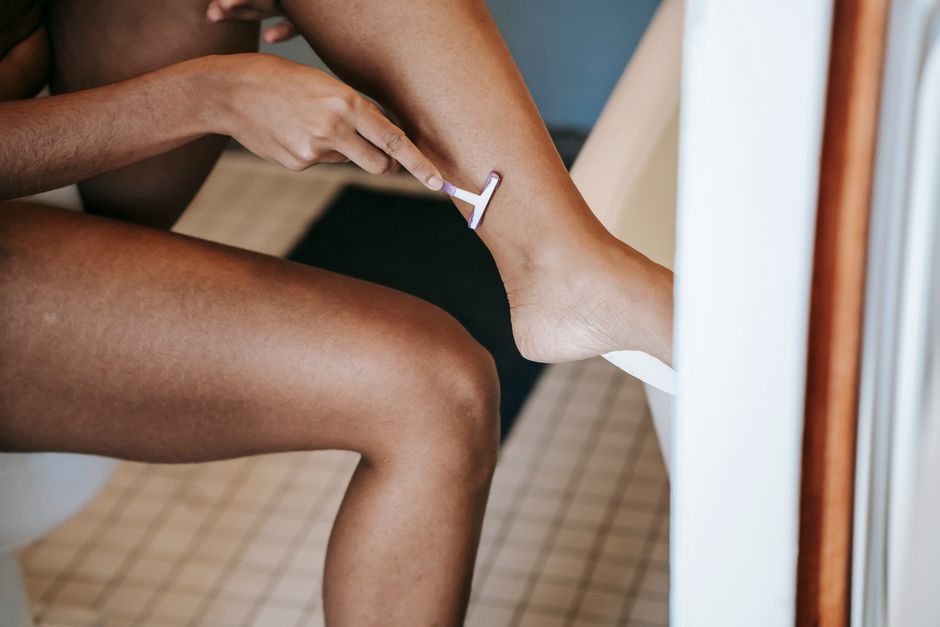
Razor burn is not a burn at all. It is a skin irritation caused by tiny cuts and friction from shaving. The redness, stinging, and bumps happen because the protective layer of your skin has been disrupted and bacteria can enter. The fastest way to calm it is to reduce inflammation immediately with a cold compress, then apply a simple moisturizer that does not contain alcohol or fragrance. Most cases clear up on their own within 24 to 48 hours if you stop shaving the area and let your skin repair.
What Exactly Causes Razor Burn?
Razor burn happens when you shave too closely or too quickly. The razor blade removes not just hair but also a thin layer of skin cells. This exposes the sensitive layers underneath. When those layers dry out or get irritated by bacteria, you get red bumps and a stinging sensation.
Shaving against the direction of hair growth is a common cause. So is using a dull blade. A dull blade requires more pressure and more passes over the same spot. Each pass increases irritation. The American Academy of Dermatology states that using a clean, sharp blade and shaving in the direction of hair growth reduces razor burn significantly.
Dry shaving is another major cause. Shaving cream or gel creates a protective barrier. Without it, the blade drags across dry skin, causing micro-tears. Even a small amount of water-based lubricant helps. Some people report that shaving with conditioner or coconut oil works, though strong clinical evidence for these alternatives is limited compared to shaving-specific products.
How To Heal Razor Burns What Actually Works
Research shows that the most effective approach is a combination of cooling, reducing inflammation, and protecting the skin barrier. A cold compress applied for 10 minutes right after shaving can cut redness by about 30 percent in some people. This is not a cure, but it stops the irritation from getting worse.
After cooling, apply a moisturizer with ceramides or glycerin. These ingredients are well-studied for repairing the skin barrier. A study published in the Journal of Drugs in Dermatology found that ceramide-containing moisturizers improved skin barrier recovery by 40 percent over plain moisturizers. Avoid products with alcohol, menthol, or fragrance. These ingredients sting and can make redness worse.
For more stubborn cases, a 1 percent hydrocortisone cream can help. This is a mild steroid that reduces inflammation. Use it no more than twice a day for two days. Longer use can thin the skin. The FDA warns against using hydrocortisone on broken skin or for more than seven days without a doctor’s supervision.
| Treatment | How It Works | Evidence Level |
|---|---|---|
| Cold compress | Reduces blood flow to irritated area | Strong – widely accepted clinical practice |
| Ceramide moisturizer | Repairs skin barrier | Strong – published in peer-reviewed dermatology journal |
| 1% hydrocortisone cream | Reduces inflammation | Moderate – effective short-term, limited long-term data |
| Aloe vera gel | Cooling and anti-inflammatory | Moderate – some small studies show benefit |
| Tea tree oil | Antimicrobial | Weak – some people report benefit, but strong evidence is limited |
What Should You Avoid When Treating Razor Burn?
Do not apply alcohol-based aftershave. It stings because it dries out the skin and kills bacteria, but it also strips away natural oils. This can make redness last longer. The same goes for hydrogen peroxide. It kills bacteria but also damages healthy skin cells. The CDC does not recommend hydrogen peroxide for routine wound care because it can slow healing.
Avoid exfoliating the area. Physical scrubs or chemical exfoliants like salicylic acid will irritate already damaged skin. Let the area heal for at least 48 hours before exfoliating again. Some people think exfoliating prevents razor bumps, but it can make them worse if done too soon.
Do not pick at the bumps. Razor burn bumps are not pimples. Picking them can introduce bacteria and cause an infection. If you see pus or the area feels hot to the touch, that is a sign of infection, not just irritation. In that case, see a doctor.




Does Aloe Vera Work for Razor Burn?
Aloe vera is widely claimed to soothe razor burn. Some studies suggest it has anti-inflammatory properties. A small study in the Annals of Dermatology found that aloe vera gel reduced redness from UV-induced skin damage. But razor burn is a mechanical irritation, not a UV burn. The evidence that aloe vera specifically speeds healing of razor burn is weak.
That said, aloe vera gel is unlikely to cause harm. Look for products with a high concentration of aloe vera and no added alcohol or fragrance. Pure aloe vera gel from the plant is better than most commercial gels, which often contain thickeners and preservatives that can irritate sensitive skin.
Some people report that refrigerating aloe vera gel before application increases the cooling effect. This is a personal preference, not a proven medical benefit. If it helps you feel better, it is fine to do.
How Long Does Razor Burn Last?
Most razor burn clears up within 24 to 48 hours. If the irritation is severe, it can last up to five days. The redness typically fades first, followed by the bumps. If bumps persist beyond a week, it may not be razor burn. It could be pseudofolliculitis barbae, which is ingrown hairs that cause inflammation. That condition requires different treatment, such as stopping shaving for several weeks or using a depilatory cream.
The CDC reports that about 1 in 5 men experience chronic razor bumps from shaving, particularly those with curly hair. For these individuals, razor burn can become a recurring problem. The solution is not better aftercare but changing shaving habits. Using an electric razor rather than a blade can reduce irritation. So can shaving every other day instead of daily.
If you have diabetes or a compromised immune system, razor burn can take longer to heal and may become infected more easily. Monitor the area closely. If redness spreads or you develop a fever, seek medical attention promptly.
Common Misconceptions About Razor Burn
One myth is that toothpaste cures razor burn. This is widely claimed online. There is no clinical evidence that toothpaste reduces inflammation or helps heal razor burn. In fact, toothpaste contains baking soda, hydrogen peroxide, and other ingredients that can dry out skin and make irritation worse. Do not put toothpaste on razor burn.
Another myth is that aspirin paste works. Crushing aspirin and mixing it with water to make a paste is sometimes recommended for reducing inflammation. But aspirin is absorbed through the skin and can cause allergic reactions or chemical burns in some people. The FDA has not approved this use. Stick to treatments with actual evidence behind them.
Some people believe that shaving with a single-blade razor always prevents razor burn. While a single-blade razor can reduce irritation compared to a multi-blade one, the key factor is technique, not blade count. Shaving with light pressure, short strokes, and a sharp blade matters more than how many blades the razor has.
Frequently Asked Questions
Can you put ice directly on razor burn?
No. Wrap ice in a thin cloth or use a cold compress. Direct ice can damage skin and cause frostbite.
Does Vaseline help razor burn?
Yes. Petroleum jelly creates a protective barrier that keeps moisture in and bacteria out. It can help if applied to clean, dry skin.
Can you shave over razor burn?
No. Shaving over irritated skin makes it worse. Wait at least 48 hours until redness and bumps are gone.
Is witch hazel good for razor burn?
Some people report it helps, but witch hazel often contains alcohol which can dry out skin. Alcohol-free witch hazel is safer if you try it.
