
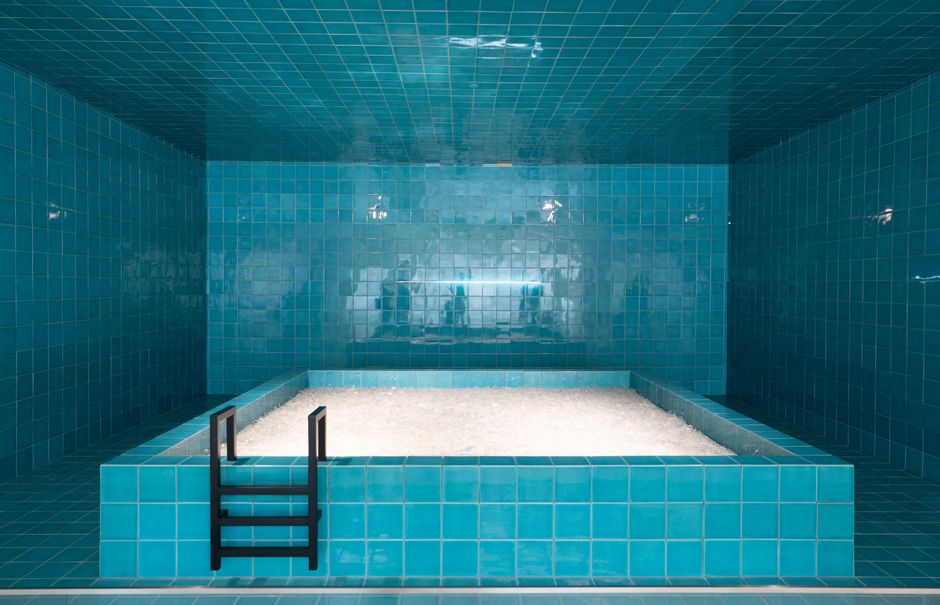
A cold plunge is exactly what it sounds like — immersing your body in cold water, typically between 50-59°F (10-15°C), for a short period. People do it for many reasons, but the core effect is a sudden, intense activation of your nervous system. This triggers a cascade of physical responses: blood vessels constrict, heart rate spikes briefly, and your body releases stress hormones like norepinephrine. The result can be reduced inflammation, a sharp mental alertness, and for some, a lasting improvement in mood and energy. However, not every claim you hear about cold plunges is backed by solid science, and the practice carries real risks if done carelessly.
What Does the Research on Cold Plunges Actually Show?
The most well-studied benefit of cold water immersion is its effect on inflammation and muscle recovery. Research published in the Journal of Physiology found that cold water immersion after intense exercise can reduce muscle soreness by about 20% compared to passive recovery. The cold causes blood vessels to constrict, which limits swelling, and then when you warm up, the vessels dilate and flush out waste products. This is why many athletes use ice baths after games or hard training sessions.
But the evidence gets thinner for other popular claims. Some studies suggest cold exposure can boost your immune system by increasing the number of white blood cells, but the effect is modest and temporary. A 2016 study in PLOS ONE found that people who took cold showers reported 29% fewer sick days from work compared to those who took hot showers. However, the study was small and relied on self-reporting, so it is not conclusive.
The most intriguing research is on mental health. A 2022 study from the University of Cambridge found that a single cold water swim significantly improved mood in participants with depression and anxiety. The effect lasted for several hours. Researchers believe this is due to the release of endorphins and the activation of the vagus nerve, which helps calm the nervous system. But again, this was a small study, and long-term effects are not yet clear.
Does Cold Plunge Improve Mental Health and Mood?
Yes, many people report a noticeable boost in mood and mental clarity after a cold plunge. The mechanism is straightforward: the shock of cold water triggers a massive release of norepinephrine, a neurotransmitter that increases focus and alertness. Some studies show norepinephrine levels can increase by 200-300% during cold exposure. This is the same chemical that helps you feel sharp and awake after a good night’s sleep or a strong cup of coffee.
There is also evidence that regular cold plunges can help with long-term mood regulation. A 2023 review in Neuroscience & Biobehavioral Reviews analyzed multiple studies and concluded that regular cold water exposure can reduce symptoms of depression and anxiety. The researchers suggest that the repeated adaptation to cold stress trains the brain to handle other stressors better. This is sometimes called “stress inoculation.”
However, it is important to be honest about the limits. Cold plunges are not a replacement for therapy or medication for clinical depression or anxiety. They are a complementary practice that may help some people feel better. If you have a diagnosed mental health condition, talk to your doctor before relying on cold plunges as a primary treatment.
What Are the Risks and Side Effects of Cold Plunges?
Cold plunges are not safe for everyone. The most serious risk is cold shock response, which can happen in water below 60°F. This is an involuntary gasp reflex that can cause you to inhale water if your face is submerged. It also causes a rapid spike in heart rate and blood pressure, which can trigger a heart attack or stroke in people with underlying cardiovascular conditions. The American Heart Association warns that cold water immersion can be dangerous for anyone with heart disease, high blood pressure, or a history of arrhythmia.
Hypothermia is another real danger, especially if you stay in the water too long. Most experts recommend limiting cold plunges to 2-5 minutes for beginners and no more than 10 minutes even for experienced users. Water temperature matters: the colder the water, the shorter your time should be. At 50°F, 5 minutes is generally the maximum safe limit for most healthy adults.
There are also less serious but common side effects. Some people experience intense shivering, numbness in the fingers and toes, and a feeling of anxiety or panic during the first 30 seconds. These usually pass as your body adapts, but they can be unpleasant and may discourage some people from continuing. Never do a cold plunge alone, especially in natural bodies of water, because the risk of losing control or passing out is real.





How Do You Do a Cold Plunge Safely?
Start slow. If you are new to cold plunges, begin with a cold shower at the end of your regular shower. Turn the water as cold as it goes and stay under it for 30 seconds to 1 minute. Do this for a week before attempting a full immersion. When you are ready for a plunge, use a tub or tank where you can control the temperature. Aim for 55-60°F for your first few sessions.
Follow these safety steps every time:
- Never plunge alone. Have someone nearby who can help if you get into trouble.
- Enter the water slowly. Do not jump in. Let your body adjust for 10-15 seconds before going deeper.
- Keep your head above water. Do not submerge your face, as this increases the risk of cold shock response.
- Set a timer. Start with 1-2 minutes and gradually increase to 5 minutes over several weeks.
- Warm up naturally afterward. Do not take a hot shower immediately, as rapid temperature changes can stress your heart. Instead, put on dry clothes and move around gently.
If you have any chronic health condition — especially heart disease, high blood pressure, diabetes, or Raynaud’s disease — talk to your doctor before starting cold plunges. The same goes for pregnant women and older adults. Cold plunges are not a one-size-fits-all practice.
What Are Common Misconceptions About Cold Plunges?
The biggest myth is that cold plunges “burn fat” in any meaningful way. Some proponents claim that cold exposure activates brown fat, which burns calories to generate heat. This is true in a laboratory sense — brown fat activation does increase calorie burn. But the amount is tiny. A 2018 study in Cell Metabolism found that 2 hours of mild cold exposure increased calorie burn by only about 100-200 calories. A 5-minute cold plunge burns roughly 10-20 extra calories. That is less than a single cracker. Cold plunges are not a weight loss tool.
Another common claim is that cold plunges “boost your immune system” so much that you will never get sick. As mentioned earlier, the evidence shows a modest reduction in sick days, not immunity. You can still catch a cold or the flu. The immune boost is temporary and not strong enough to replace good hygiene, sleep, and nutrition.
Some people also believe that longer is better. This is false. Staying in cold water for more than 10 minutes increases the risk of hypothermia without providing additional benefits. The body’s response to cold peaks within the first 2-3 minutes. After that, you are just accumulating risk. Stick to short durations.
How Does Cold Plunge Compare to Other Recovery Methods?
Cold plunges are often compared to contrast therapy (alternating hot and cold) and active recovery (light movement). Here is a quick comparison based on the evidence:
| Method | Best For | Evidence Strength | Risk Level |
|---|---|---|---|
| Cold Plunge | Reducing inflammation and muscle soreness after intense exercise | Strong for recovery; moderate for mood | Moderate (if done improperly) |
| Contrast Therapy | Improving circulation and reducing muscle stiffness | Moderate; less studied than cold alone | Low to moderate |
| Active Recovery | Maintaining blood flow and preventing stiffness | Strong for general recovery | Very low |
| Sauna | Relaxation, cardiovascular health, and detoxification (through sweat) | Strong for cardiovascular benefits | Low |
Cold plunges are most effective for reducing acute inflammation and muscle soreness right after a hard workout. For general daily recovery, active recovery like walking or light stretching is safer and just as effective for most people. Saunas offer different benefits, mainly for heart health and relaxation, and can be used on different days. There is no evidence that combining cold and sauna in the same session is better than doing one or the other.
Frequently Asked Questions
How long should a cold plunge last?
For beginners, start with 1-2 minutes in water between 55-60°F. Experienced users can go up to 5-10 minutes, but never longer than 10 minutes to avoid hypothermia.
Does a cold plunge help with weight loss?
No, the calorie burn from a cold plunge is minimal — about 10-20 calories per session. It is not an effective weight loss tool.
Can I do a cold plunge if I have high blood pressure?
No, cold plunges can cause a dangerous spike in blood pressure and heart rate. Talk to your doctor before trying one if you have high blood pressure or any heart condition.
Is a cold shower as effective as a cold plunge?
Cold showers are less intense because they do not fully immerse your body. They still provide some benefits like improved alertness and mood, but full immersion is more effective for reducing inflammation.
