
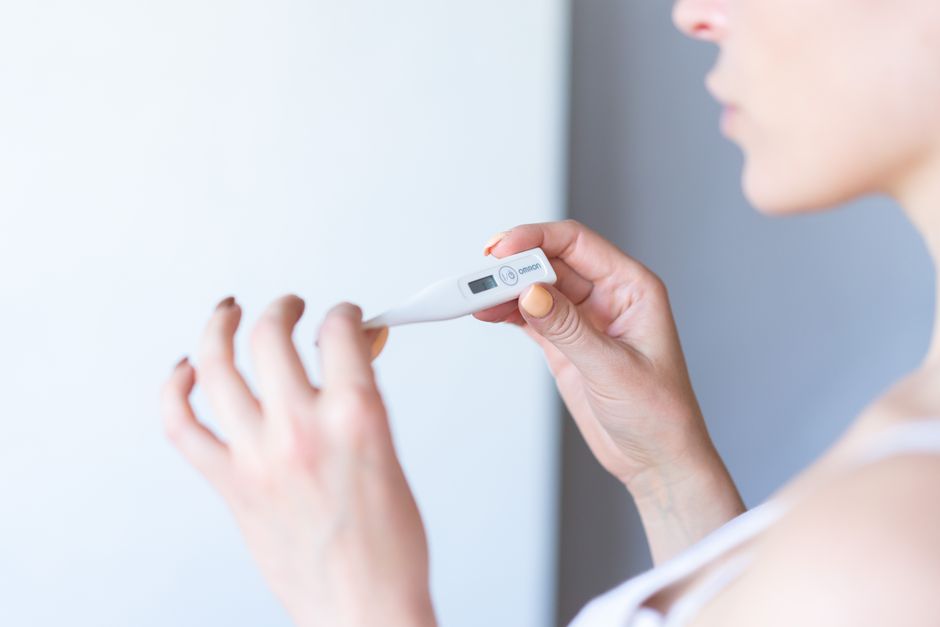
When your body temperature climbs above 100.4°F, you have a fever. It is not an illness itself — it is a sign your immune system is fighting something. Most fevers run their course without treatment. The goal is not to eliminate the fever entirely but to manage discomfort while your body does its work. Rest, fluids, and over-the-counter medications like acetaminophen or ibuprofen can help bring a fever down when needed. Cold baths, alcohol rubs, and “sweating it out” do not help and can make things worse.
What actually causes a fever?
A fever starts when your immune system detects a threat like a virus or bacteria. White blood cells release chemicals called pyrogens that travel to the hypothalamus — the part of your brain that controls body temperature. The hypothalamus then raises your body’s thermostat to make the environment less friendly for the invading germs.
This temperature increase speeds up your immune response. Research shows that even a modest fever can help immune cells move faster and work better. The CDC notes that most fevers in adults are caused by respiratory infections like colds or flu, but other causes include ear infections, urinary tract infections, and inflammatory conditions.
Not every elevated temperature is a fever. Exercise, hot weather, and hormonal changes can raise body temperature temporarily. True fever is defined as a measured temperature of 100.4°F (38°C) or higher using an oral thermometer.
How To Kick A Fever What Works And What Doesnt
Let’s be direct about what the evidence supports. Over-the-counter fever reducers called antipyretics are the most reliable way to lower a fever. Acetaminophen (Tylenol) and ibuprofen (Advil, Motrin) both work by blocking the chemicals that signal your brain to raise your temperature. Studies published in the Journal of the American Medical Association show these medications reduce fever effectively within 30 to 60 minutes.
Ibuprofen tends to last longer — about six to eight hours compared to four to six hours for acetaminophen. Do not take both at the same time unless a doctor specifically tells you to. Alternating them can be done safely but requires careful timing to avoid accidental overdose.
Physical cooling methods like placing a cool cloth on your forehead or taking a lukewarm bath can provide temporary comfort. But they do not actually lower your core temperature for long. The moment you stop, your body cranks back up. Cold water or ice baths are dangerous — they can cause shivering, which actually raises your core temperature. The American Academy of Pediatrics warns against alcohol rubs entirely because the alcohol can be absorbed through the skin.
What about natural remedies for fever?
Many natural approaches are popular, but the evidence behind them is mixed. Staying hydrated is the one thing every doctor agrees on. When you have a fever, your body loses more water through sweat and faster breathing. Dehydration makes fevers harder to manage and can worsen symptoms. Water, clear broths, and electrolyte drinks all work.
Some people report that elderberry syrup or echinacea helps shorten the duration of a fever. Some studies suggest elderberry may reduce cold symptoms by a day or two, but strong evidence specifically for fever reduction is limited. Echinacea has even less support. Ginger tea is another common home remedy. A small study in the Journal of Ethnopharmacology found ginger may have mild anti-inflammatory effects, but it has not been tested directly against fever in humans.
Honey is well-supported for cough relief in both adults and children over age one. But honey does not lower body temperature. Do not give honey to infants under 12 months due to the risk of botulism.
What does not work: “Sweating it out” by bundling up in heavy blankets. This can raise your temperature dangerously high and lead to heat-related illness. Vitamin C megadoses have not been shown to treat fevers once they start. Zinc lozenges may shorten colds but do not directly address fever.





When should you treat a fever?
This is where the advice gets more specific than most articles tell you. The general rule is: treat the person, not the number. A low-grade fever of 100.5°F in someone who is otherwise comfortable, drinking fluids, and resting does not need medication. A fever of 101°F in someone who is miserable, in pain, or unable to sleep probably does.
The CDC and the National Institutes of Health both advise treating fever when it causes significant discomfort. For adults, that usually means a temperature above 102°F with symptoms like headache, muscle aches, or chills. For children, the threshold is similar — treat if they seem uncomfortable, not just because the thermometer reads a certain number.
There is one exception: infants under three months with a temperature of 100.4°F or higher need immediate medical attention. Their immune systems are not developed enough to fight infections on their own. For older children and adults, a fever below 104°F that responds to medication and does not last more than three days is rarely dangerous.
| Temperature Range | What It Means | What To Do |
|---|---|---|
| Below 100.4°F | Not a fever | No treatment needed |
| 100.4°F – 102°F | Low-grade fever | Treat only if uncomfortable |
| 102°F – 104°F | Moderate fever | Medication if symptoms bother you |
| Above 104°F | High fever | Seek medical advice |
| Above 106°F | Emergency | Go to ER immediately |
What mistakes do people make when trying to break a fever?
The most common mistake is taking too much medication. Acetaminophen overdose is one of the leading causes of liver failure in the United States. The maximum daily dose for adults is 3,000 mg, though some labels still say 4,000 mg. Stick to 3,000 mg to be safe. Ibuprofen maximum is 1,200 mg per day for over-the-counter use unless a doctor prescribes more.
Another mistake is combining multiple products that contain the same ingredient. Many cold and flu medications already contain acetaminophen. Taking a separate fever reducer on top can push you over the safe limit without realizing it.
Using cold showers or ice packs on the skin is another error. These cause shivering, which generates heat and can actually raise your core temperature. The same goes for wrapping yourself in heavy blankets to “sweat out” a fever. You are trapping heat, not releasing it. The body needs to lose heat to come back down. Light clothing and a cool room help more than layers.
Some people try alternating acetaminophen and ibuprofen every two hours thinking it works better. This is not supported by evidence and increases the risk of dosing errors. If you choose to alternate, take one medication, wait at least four hours, then take the other if needed — but only do this with a doctor’s guidance.
When does a fever become dangerous?
A fever itself is rarely dangerous below 104°F. The brain has a built-in thermostat that usually prevents temperatures from climbing into harmful territory. But external factors like being in a hot car or overdressing can push body temperature beyond what the hypothalamus intended.
Seek medical attention if a fever lasts more than three days in adults or more than 24 hours in children under two. Also seek help if the fever is accompanied by stiff neck, severe headache, confusion, difficulty breathing, rash, or pain when urinating. These symptoms can point to serious infections like meningitis, pneumonia, or sepsis that require immediate treatment.
For infants under three months, any fever is a medical emergency. Their immune systems cannot handle even common infections without help. Call your pediatrician or go to the emergency room. The same goes for anyone with a compromised immune system — chemotherapy patients, organ transplant recipients, or people on long-term steroids.
Frequently Asked Questions
Can I take Tylenol and ibuprofen together for fever?
Do not take them at the same time. You can alternate them with at least four hours between doses, but only under a doctor’s direction.
Is 99.5 considered a fever?
No. A fever is defined as 100.4°F or higher. Normal body temperature varies throughout the day and can be slightly higher in the evening.
How long does a fever usually last?
Most fevers from viral infections last two to three days. If a fever lasts longer than three days or goes away and comes back, see a doctor.
Should I let a fever run its course or take medicine?
Let it run if you are comfortable. Take medicine if symptoms like headache or body aches interfere with rest. Treat the person, not the number.
