
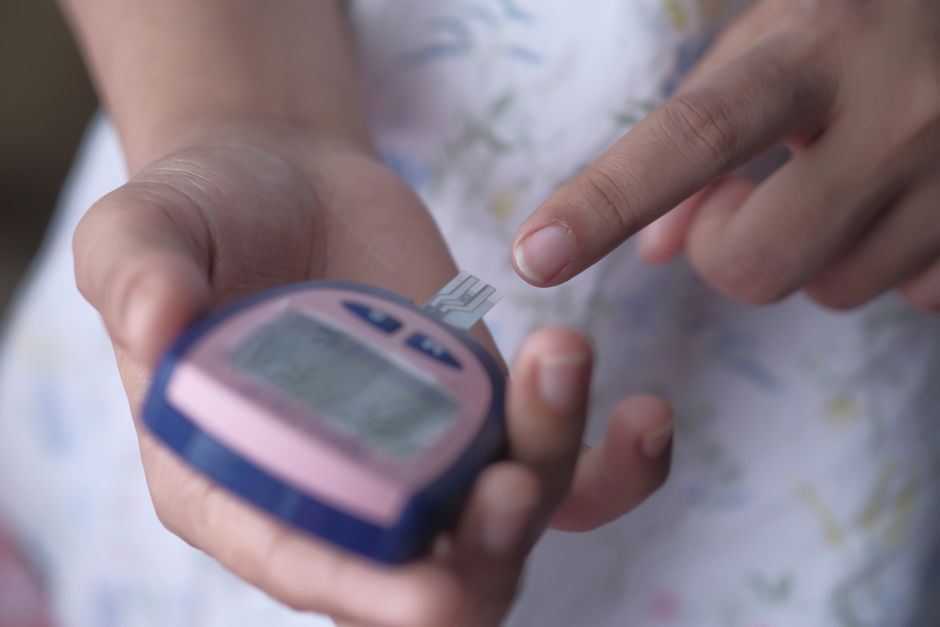
A pregnancy glucose test checks how well your body manages sugar during pregnancy. It is used to screen for gestational diabetes, a form of high blood sugar that develops during pregnancy and usually goes away after birth. The test works by having you drink a sweet liquid and then measuring the glucose level in your blood at set times afterward.
What Is A Pregnancy Glucose Test And How Does It Work?
Pregnancy changes how your body handles sugar. As the placenta grows, it releases hormones that can make your cells less responsive to insulin — the hormone that moves glucose out of your blood and into your cells. This is sometimes called insulin resistance.
Most pregnant women produce extra insulin to compensate. But for some, blood sugar rises higher than normal. That condition is gestational diabetes. It usually develops in the second or third trimester and often has no obvious symptoms.
The glucose test is designed to catch it. There are two main versions: a screening test and a longer diagnostic test.
The screening test (glucose challenge test)
You drink a liquid containing a set amount of glucose. You do not need to fast for this one. After about an hour, a blood sample is drawn to measure your glucose level. If the result falls above a certain threshold, your provider will usually recommend the longer test to confirm whether gestational diabetes is actually present.
A screening result that is high does not mean you have gestational diabetes. It means you need further testing. Many women who fail the screening go on to have normal results on the diagnostic test.
The diagnostic test (oral glucose tolerance test)
This one takes longer and requires fasting. You fast overnight, then have your blood drawn to get a baseline glucose level. You drink a glucose solution, and your blood is checked again at intervals over the next few hours. The number of draws and the timing depend on the protocol your clinic uses.
If two or more of those readings meet or exceed established thresholds, the diagnosis is gestational diabetes. A single elevated value may or may not be enough, depending on the criteria being applied. Different medical organizations have used slightly different cutoff values over the years, which is why protocols can vary between clinics.
Why Is Glucose Testing Done During Pregnancy?
Untreated gestational diabetes carries real risks. It can lead to a baby that grows larger than average, which increases the chance of a difficult delivery or cesarean section. It also raises the risk of high blood pressure in the mother and can cause problems with the baby’s blood sugar after birth.
The test exists to find the condition early enough to manage it. When gestational diabetes is identified and treated — through diet changes, monitoring, and sometimes medication — many of these risks can be reduced.
Testing is generally offered to all pregnant women, not just those with obvious risk factors. That is because a large share of women who develop gestational diabetes have no clear risk factors at all. Age, weight, family history, and prior pregnancy history do raise the odds, but they do not tell the whole story.
When Is the Test Usually Done?
Screening typically happens between 24 and 28 weeks of pregnancy. That window is when insulin resistance tends to become most noticeable, making the test more likely to detect a problem if one exists.
Some women are tested earlier. If you have risk factors such as obesity, a previous pregnancy with gestational diabetes, or a strong family history of type 2 diabetes, your provider may recommend screening at your first prenatal visit. If that early test is normal, you would usually still be tested again at the standard 24-to-28-week mark.
There is no universally fixed schedule. Your provider will decide based on your individual situation.
What Do the Results Mean?
Results are reported as blood glucose values, usually in milligrams per deciliter (mg/dL). The exact cutoffs depend on which test was done and which criteria your lab follows.
For the one-hour screening test, a common threshold is 140 mg/dL. Some clinics use 130 mg/dL to cast a wider net. If your result is at or above the threshold, you move on to the diagnostic test.
For the diagnostic test, thresholds are set for each blood draw. A diagnosis of gestational diabetes generally requires two or more values at or above the established limits. Because organizations have not always agreed on the exact numbers, your results should be interpreted by your provider, not by comparing them to numbers you find online.
If you are diagnosed, it does not mean you did anything wrong. Gestational diabetes is driven largely by placental hormones and how your body responds to them. It is not caused by eating too much sugar.
What Happens If You Are Diagnosed?
A diagnosis usually leads to a management plan. For many women, the first step is adjusting diet and increasing physical activity. Blood sugar monitoring at home may be recommended so you can see how your levels respond to food and movement.
If lifestyle changes are not enough, medication may be needed. Insulin is the most established treatment for gestational diabetes. Some providers also prescribe metformin, though the evidence on its long-term effects in pregnancy is less settled than for insulin.
Management continues through the rest of the pregnancy. After delivery, blood sugar usually returns to normal within a short time. But having gestational diabetes raises your risk of developing type 2 diabetes later in life, so follow-up testing after birth is generally recommended.
Is the Test Safe and Accurate?
The glucose test is a well-established procedure that has been used for decades. The risks are minimal. Some women feel nauseated after drinking the glucose solution, and a small number vomit, which can invalidate the test and require a repeat.
Accuracy is good but not perfect. The screening test is designed to catch as many cases as possible, which means it also produces some false positives — results that look elevated but do not indicate gestational diabetes. That is why the diagnostic test exists. It is more precise.
False negatives are also possible, though less common with the diagnostic test. No screening test is 100 percent accurate.
One point worth clarifying: the glucose drink used in these tests is not the same as drinking a sugary soda. It contains a precise, standardized amount of glucose, which is why the timing and measurements can be compared to established thresholds.
What Are the Alternatives?
Some women ask whether they can skip the glucose drink and monitor their blood sugar at home instead. This approach — checking levels before and after meals for a period of time — is sometimes used, but it is not the standard method. Home monitoring for several days is more burdensome and has not been as thoroughly studied for diagnosis as the standard test.
There are also alternative ways to screen, such as testing after a regular meal instead of a glucose drink. These are not widely adopted and are not considered equivalent to the standard protocol by most medical organizations.
If you have concerns about the test — whether due to nausea, a previous difficult experience, or something else — talk with your provider. There may be adjustments that can be made, but skipping testing entirely means missing a chance to catch a condition that can affect both you and your baby.
Frequently Asked Questions
Do I need to fast for the pregnancy glucose test?
It depends on which test you are having. The one-hour screening test does not require fasting, but the longer diagnostic test usually does.
What happens if I fail the one-hour glucose test?
A high result on the screening test does not mean you have gestational diabetes. It means you need the longer diagnostic test to confirm whether the condition is present.
Can I eat normally before the glucose test?
For the screening test, you can usually eat normally, though some providers suggest avoiding very sugary foods right before. For the diagnostic test, you will need to fast overnight.
Does gestational diabetes go away after pregnancy?
Blood sugar usually returns to normal after delivery. However, having gestational diabetes raises your risk of developing type 2 diabetes later, so follow-up testing is recommended.
